Skip to content

Industry Application

Vacuum Furnaces for Graphite, Hard Metals and Advanced Ceramics

Vacuum and controlled-atmosphere furnace concepts for graphite, hard metals and technical ceramics. Maximum temperature, working zone, atmosphere and pressure depend on the specific model and process review.

Advanced-materials processes can have demanding requirements for temperature, atmosphere, pressure, uniformity and contamination control. The buyer's material specification and target properties should guide equipment selection.

Potential process routes include thermal treatment, vacuum sintering and hot pressing, subject to material compatibility and engineering review. Outcomes such as purity, density and porosity must be demonstrated with representative material and agreed test methods.

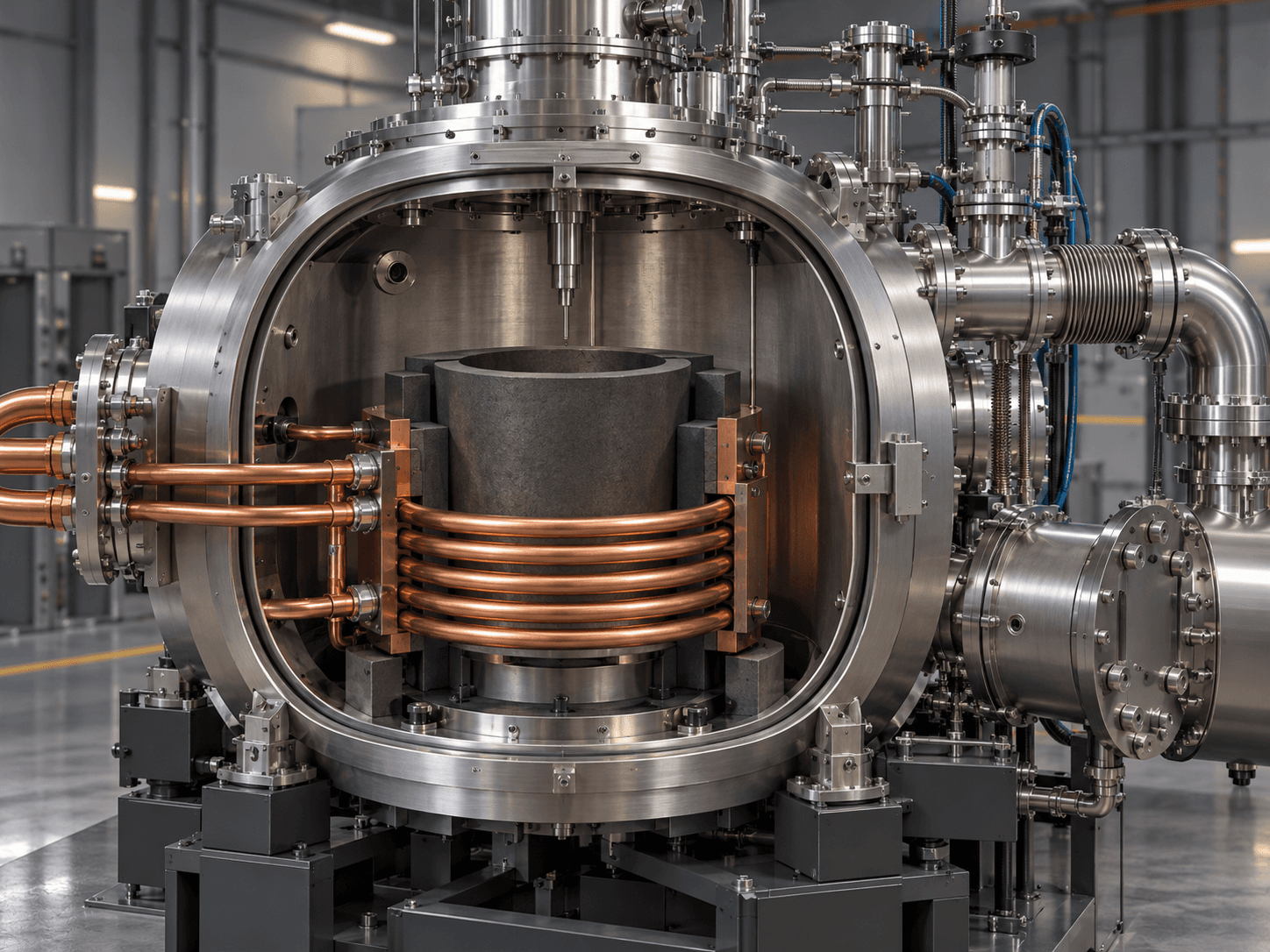
Illustrative vacuum induction melting setup with graphite crucible for advanced materials research
Illustrative application concept

What This Industry Has to Solve

The three problems that decide whether an installation in this industry pays for itself or becomes a maintenance liability.

01

Purity without wet chemistry

Purification temperature, atmosphere, process chemistry and exhaust handling depend on the feed material and target specification. Confirm the process route and environmental controls before equipment selection.

02

Uniformity across a large charge

Working-zone uniformity depends on furnace design, load geometry, sensor placement and the specified temperature range. Define the measurement method and acceptance criteria for each project.

03

Batch documentation for qualification

Recipe logging, batch records and qualification documents can be specified where required. Customer or industry qualification is separate and must not be implied without evidence.

The configurations we most often specify for advanced materials & graphite operations.

FL-GPF

Graphite Purification Furnace

Vacuum high-temperature furnace that purifies graphite powder, electrodes and shaped products by volatilising metallic impurities.

Read More →
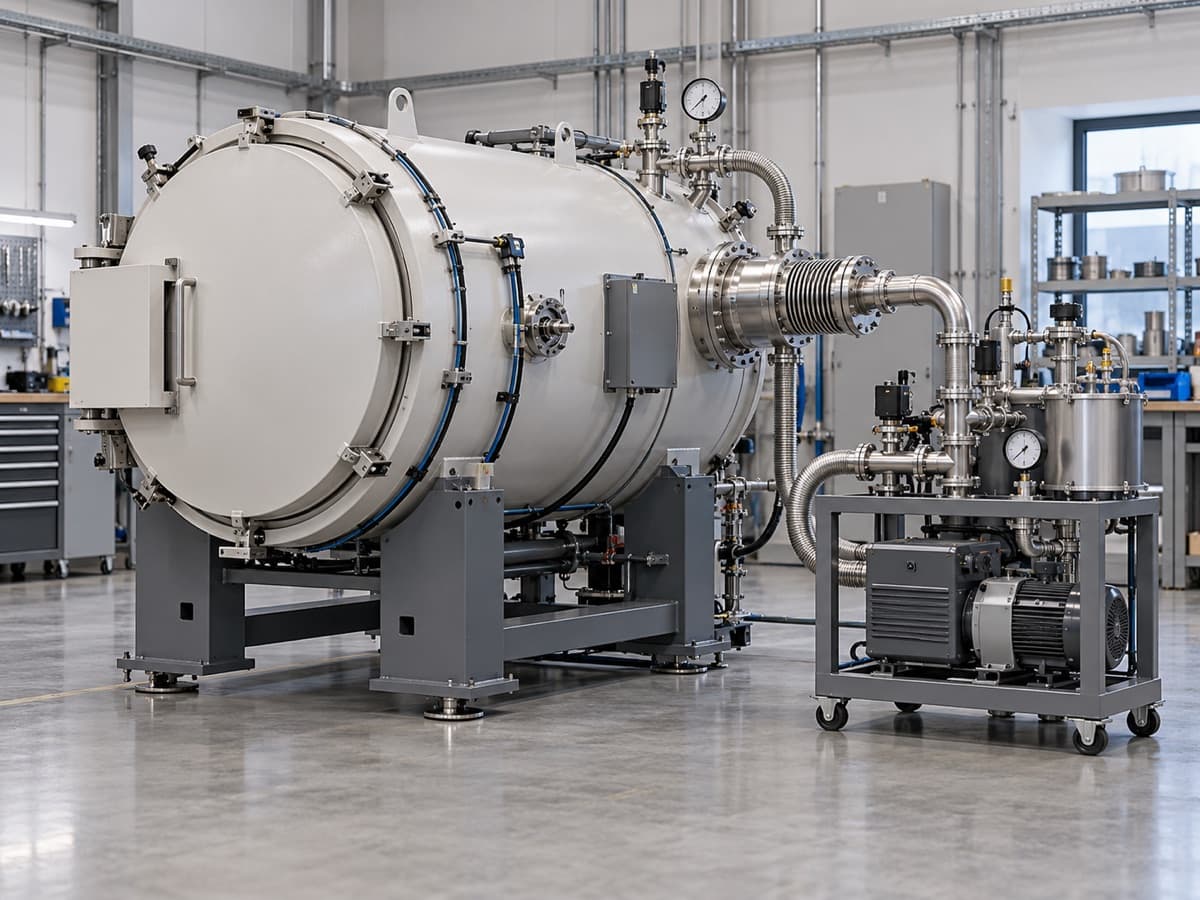
Illustrative product concept of a horizontal vacuum furnace with a separate pumping cart

Illustrative product concept; final configuration is confirmed during engineering review.
FL-VSF

Vacuum Sintering Furnace

Programmable vacuum and partial-pressure sintering to 2,200 °C with a uniform hot zone, for tungsten carbide, ceramics and PM components.

Read More →
Illustrative product concept of a horizontal vacuum furnace with a separate pumping cart

Illustrative product concept; final configuration is confirmed during engineering review.
FL-VHP

Vacuum Hot Press Sintering Furnace

Simultaneous heat and uniaxial pressure to 2,300 °C and 500 kN, producing near-full-density parts from materials that will not densify by sintering alone.

Read More →
Illustrative product concept of a horizontal vacuum furnace with a separate pumping cart

Illustrative product concept; final configuration is confirmed during engineering review.
Other Industry Solutions

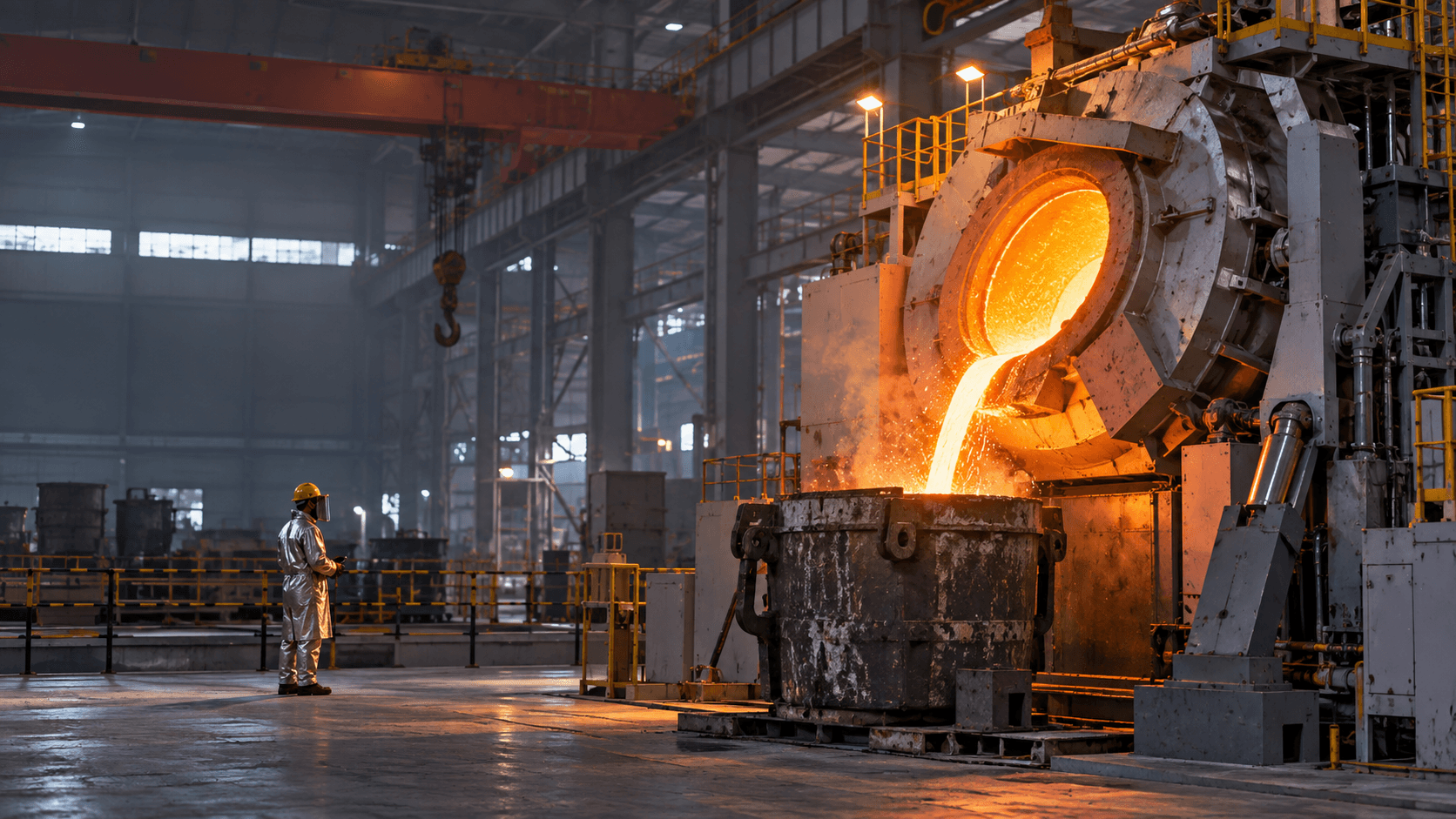
Illustrative molten-metal tapping scene for steel and iron foundry melting
Illustrative application concept

Steel and iron foundry melting

Coreless induction melting configurations for grey iron, ductile iron, carbon steel and alloy steel. Furnace size, power, lining and duty cycle are reviewed against the alloy mix, batch size and production schedule.

Read More
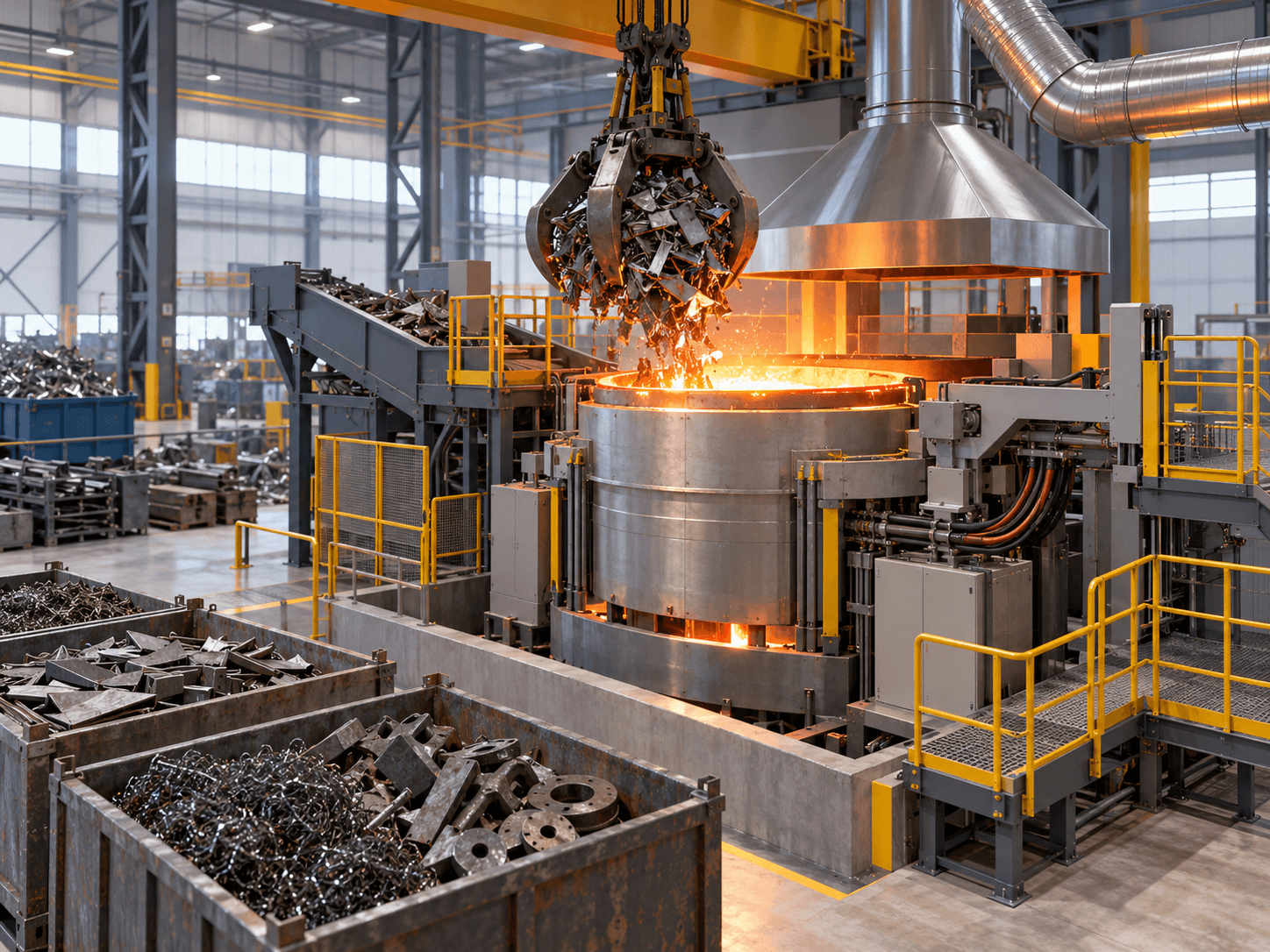
Illustrative induction furnace receiving sorted scrap metal beneath an extraction hood
Illustrative application concept

Scrap recycling and re-melting

Induction melting system concepts for scrap processors producing ingot or billet. Charge handling and extraction requirements are reviewed against feedstock and site conditions.

Read More
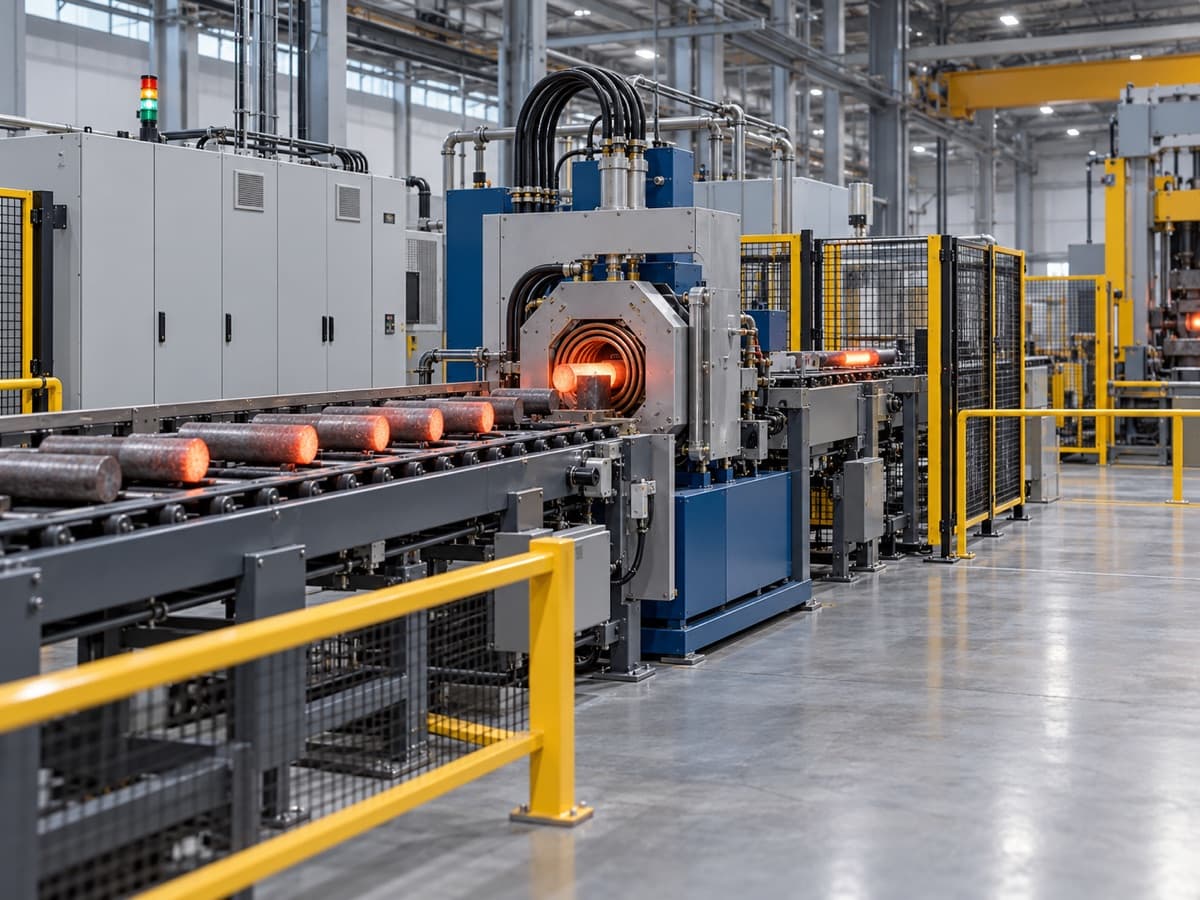
Illustrative induction billet heating line for forging and fastener production
Illustrative application concept

Forging and fastener heating

Through-heating and end-heating concepts for billet, bar and fastener production. Line layout, temperature monitoring, press interface and part changeover are scoped to the workpiece and process requirements.

Read More

Tell us what your process needs.

Share the material or part, target output or treatment result, operating schedule and site utilities. Our engineers can review the equipment configuration and quotation scope against your application.