Skip to content

Industry Applications

Induction Solutions Built Around Your Industry

Every industry has a different constraint — relining downtime, metal loss, case-depth repeatability, batch traceability, grid compliance. Select yours to see what we specify and the reasoning behind it.

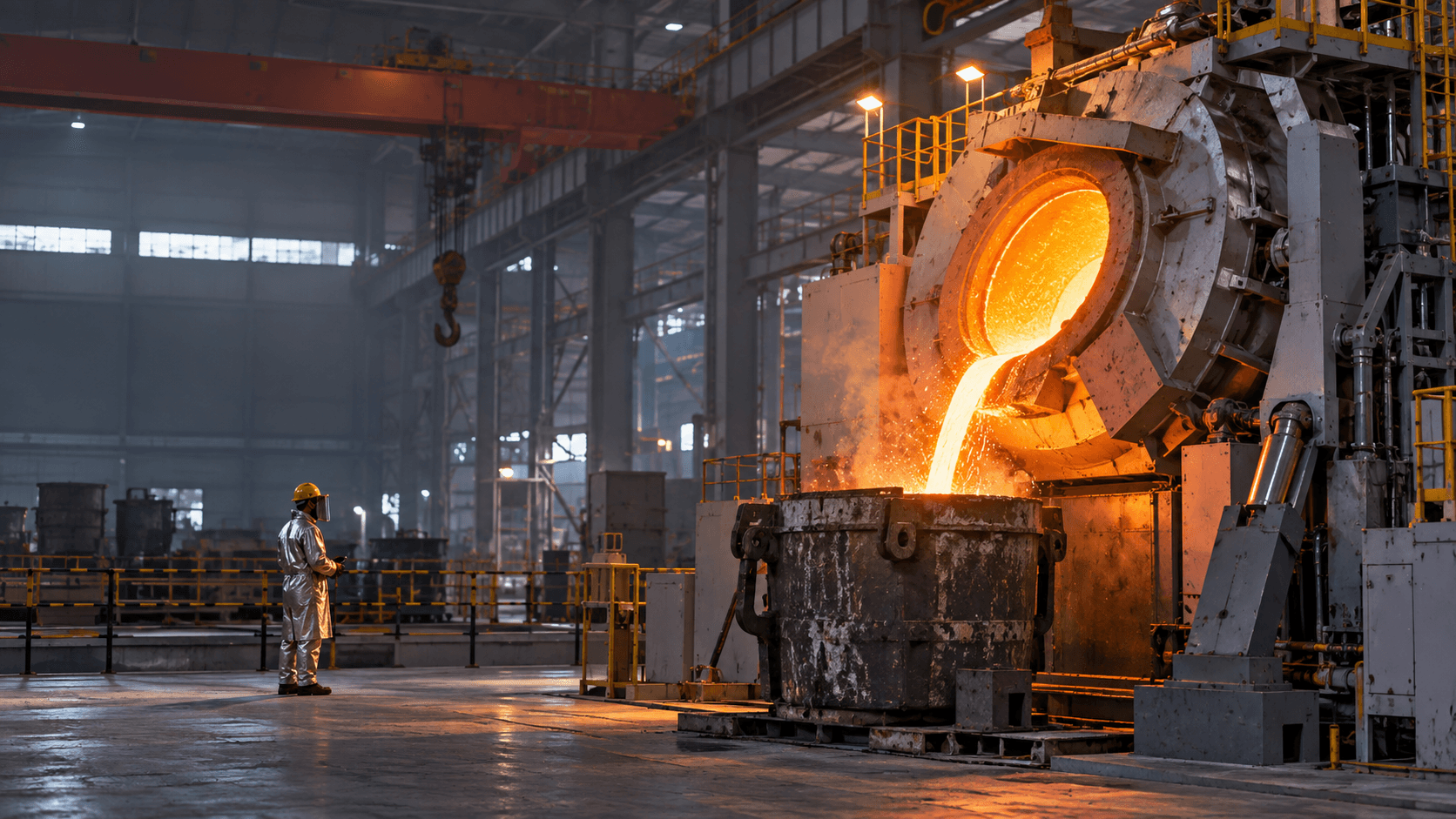
Illustrative molten-metal tapping scene for steel and iron foundry melting
Illustrative application concept

Steel and iron foundry melting

Coreless induction melting configurations for grey iron, ductile iron, carbon steel and alloy steel. Furnace size, power, lining and duty cycle are reviewed against the alloy mix, batch size and production schedule.

Read More
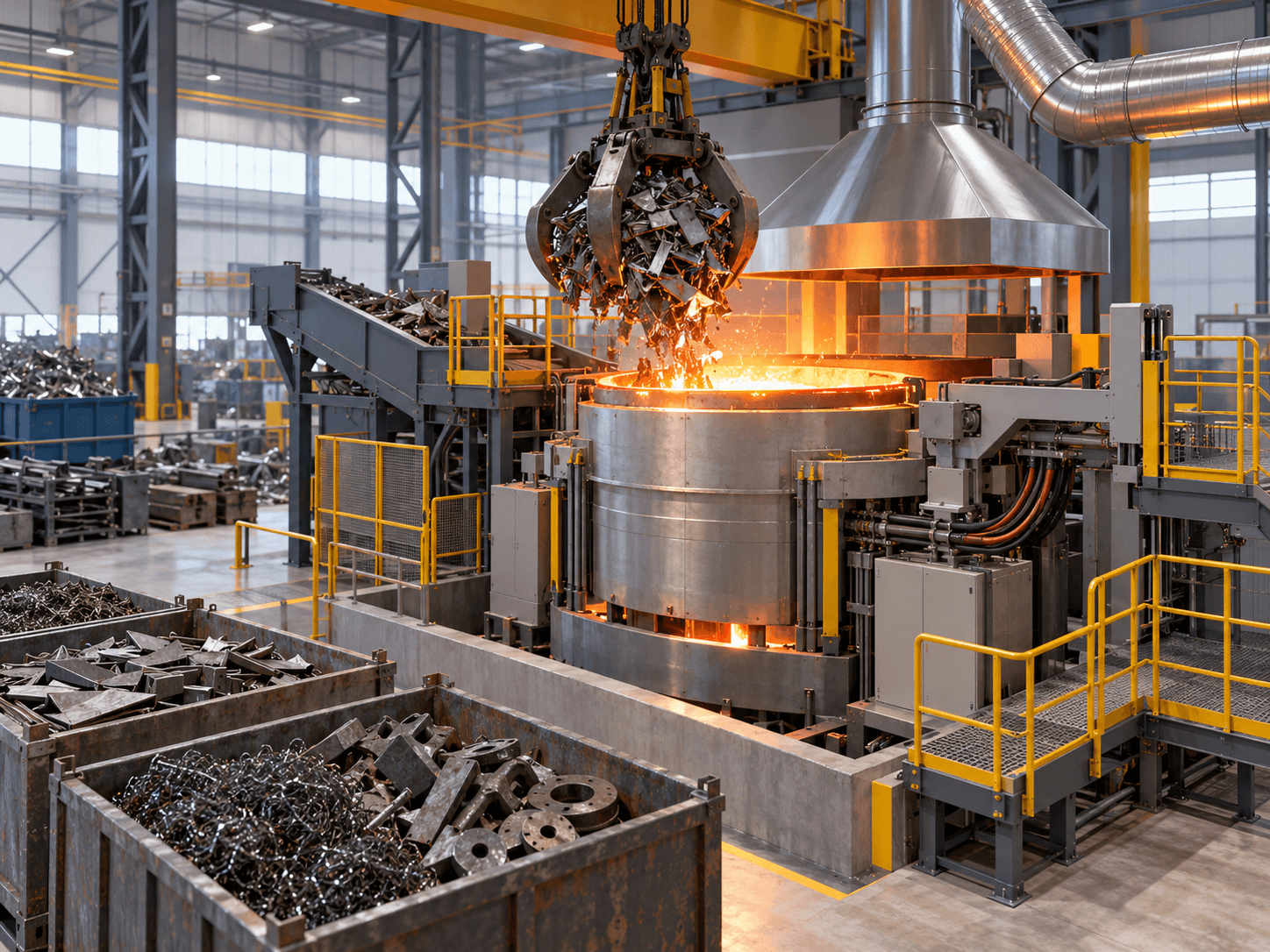
Illustrative induction furnace receiving sorted scrap metal beneath an extraction hood
Illustrative application concept

Scrap recycling and re-melting

Induction melting system concepts for scrap processors producing ingot or billet. Charge handling and extraction requirements are reviewed against feedstock and site conditions.

Read More
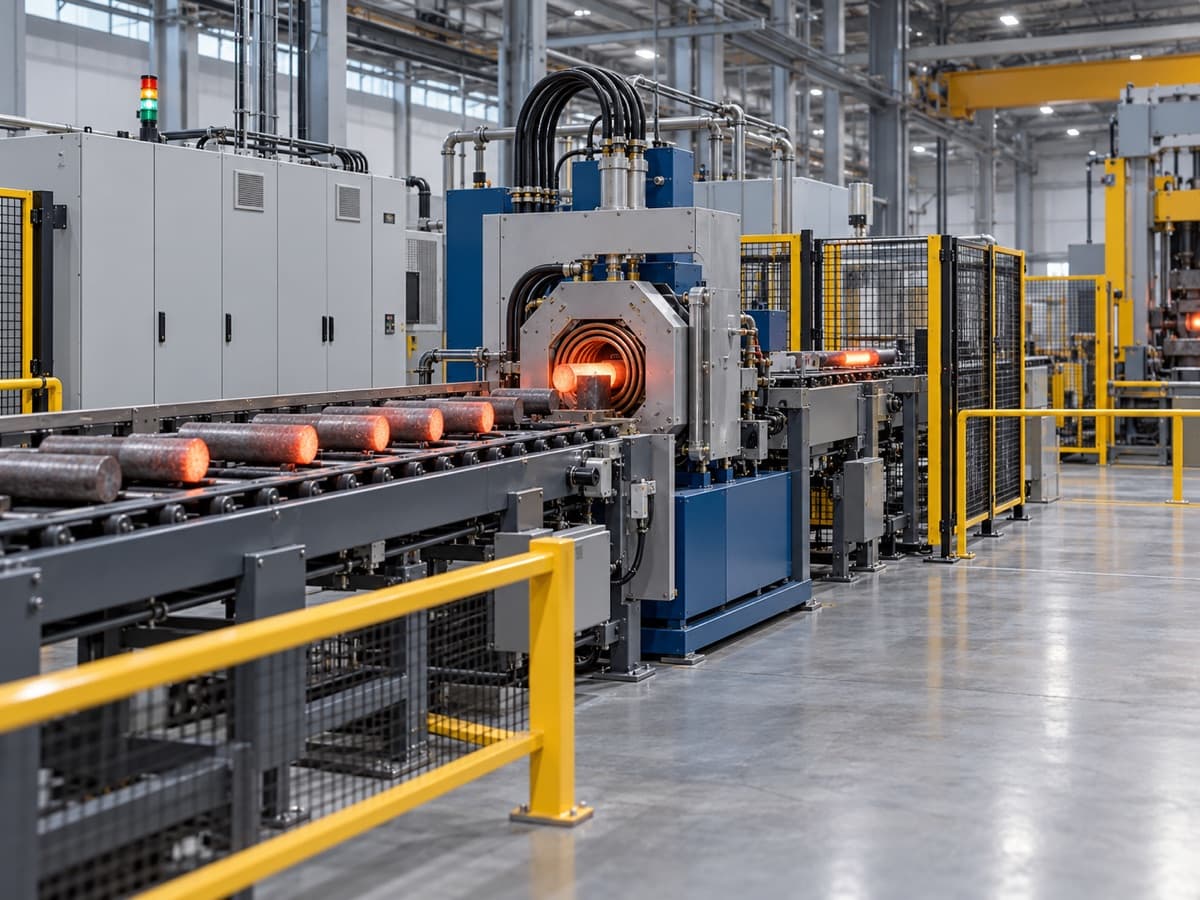
Illustrative induction billet heating line for forging and fastener production
Illustrative application concept

Forging and fastener heating

Through-heating and end-heating concepts for billet, bar and fastener production. Line layout, temperature monitoring, press interface and part changeover are scoped to the workpiece and process requirements.

Read More
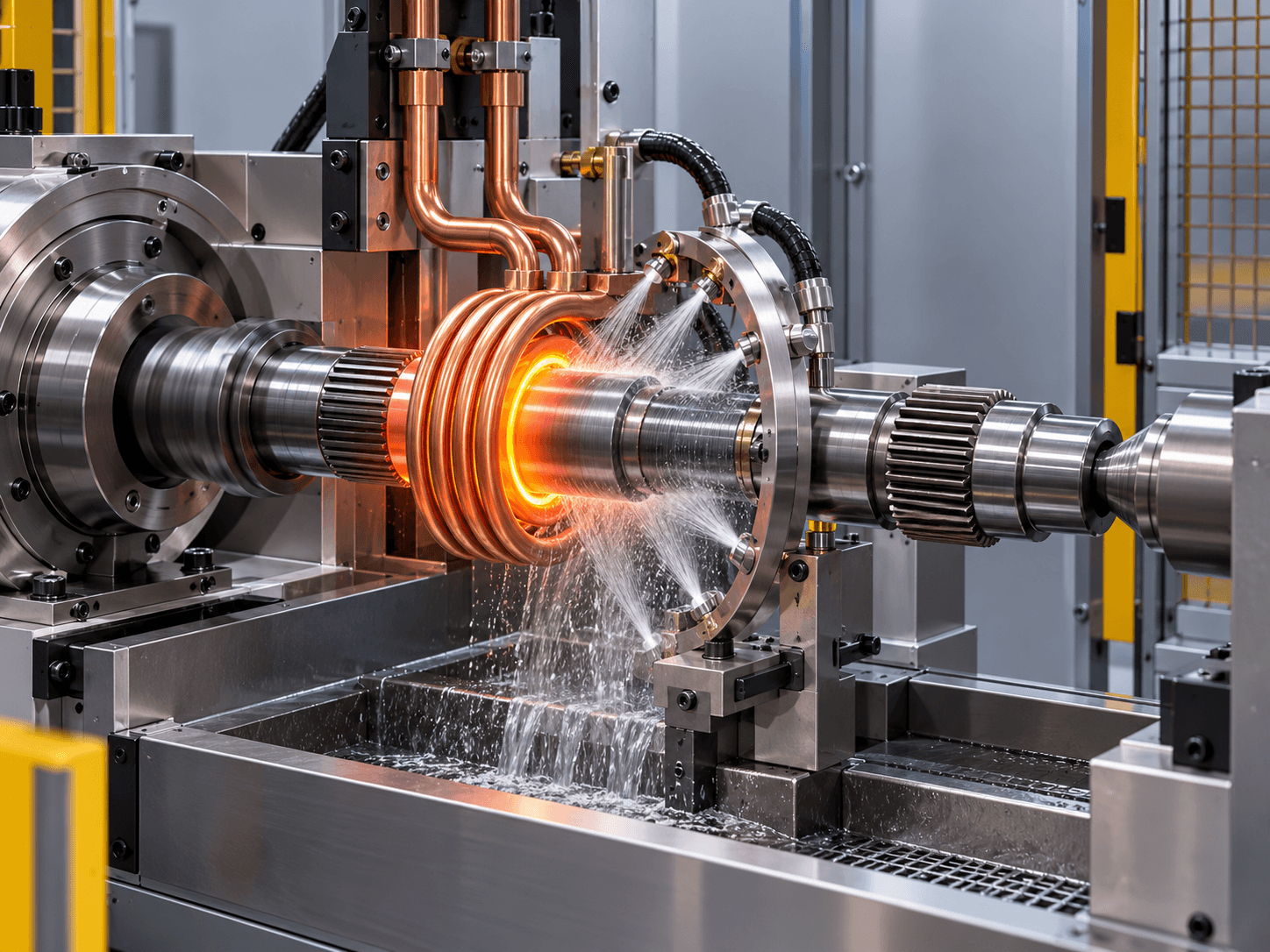
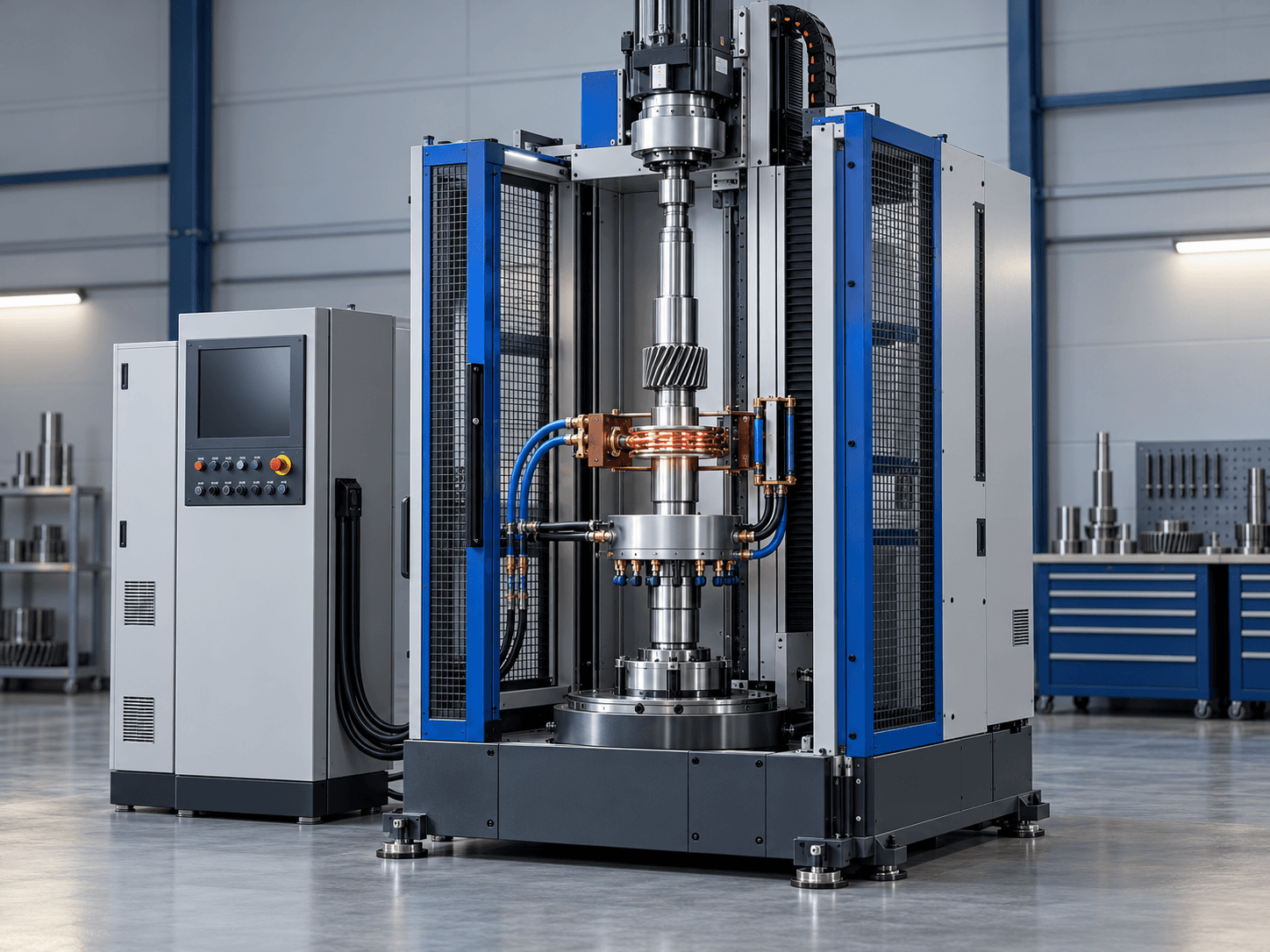
Illustrative automotive shaft induction hardening cell with controlled quenching
Illustrative application concept

Automotive casting and hardening

Equipment concepts for automotive casting, billet heating and induction hardening. Traceability, controls, data interfaces and customer-specific quality requirements are defined during technical review.

Read More
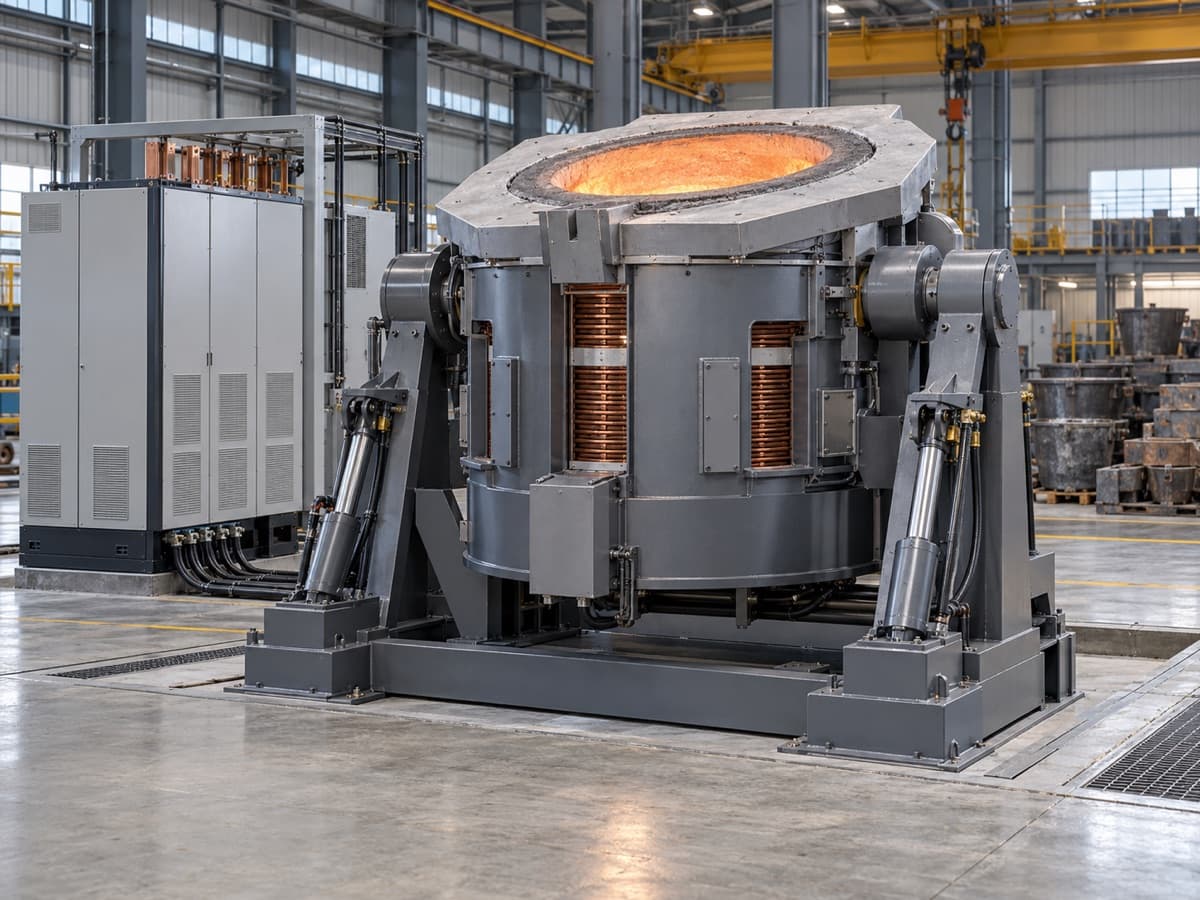
Illustrative induction melting furnace configured for aluminium and non-ferrous alloys
Illustrative application concept

Aluminium and non-ferrous melting

Melting and holding furnace configurations for aluminium, zinc and other non-ferrous alloys. Alloy, charge form, temperature targets, holding profile and casting interface require project-specific review.

Read More
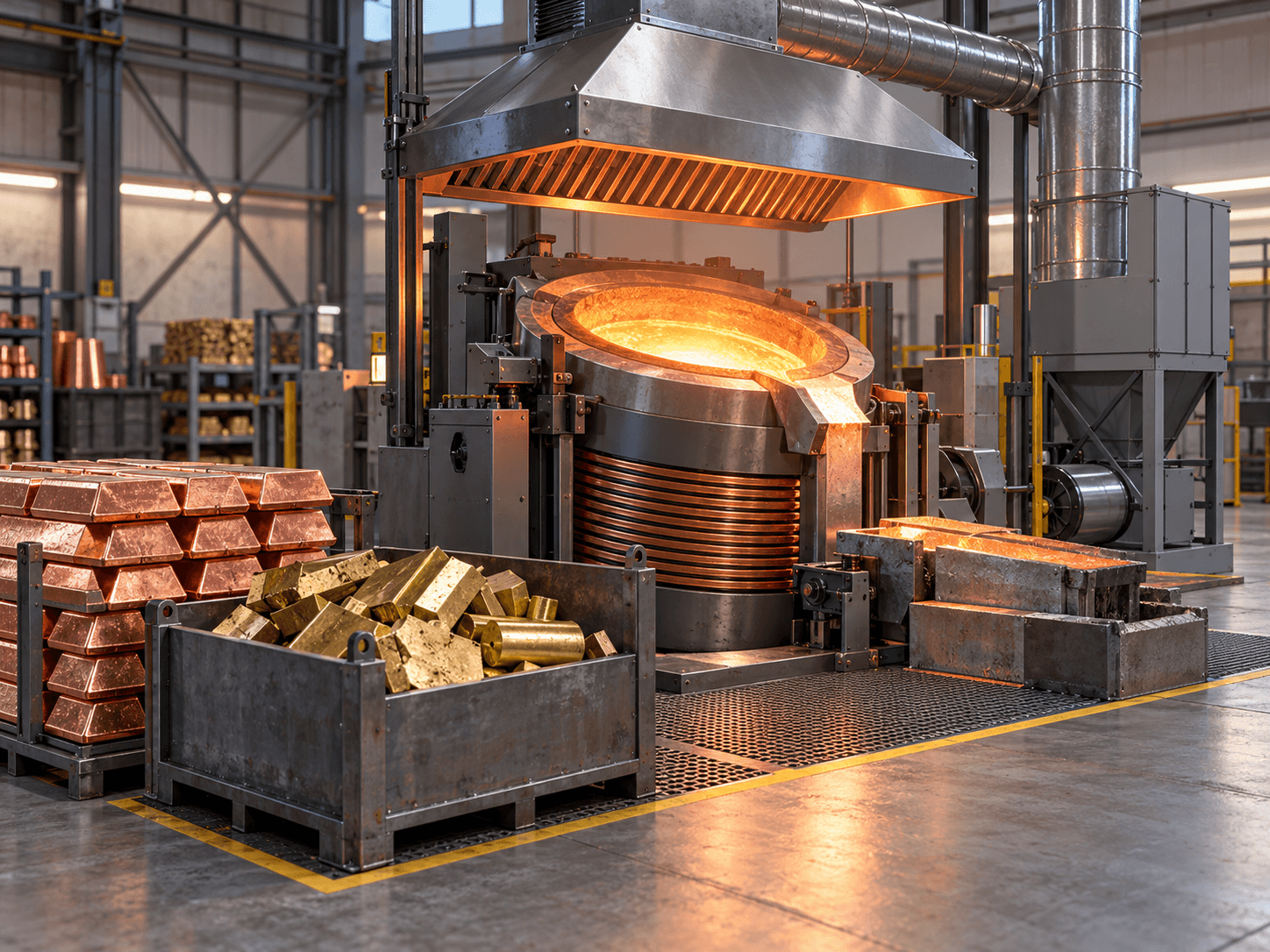
Illustrative copper, brass and bronze induction foundry melting station with extraction hood
Illustrative application concept

Copper, brass and bronze melting

Induction melting configurations for copper rod, brass fittings, bronze components and other non-ferrous foundry work. Extraction needs depend on alloy, feedstock and local requirements.

Read More
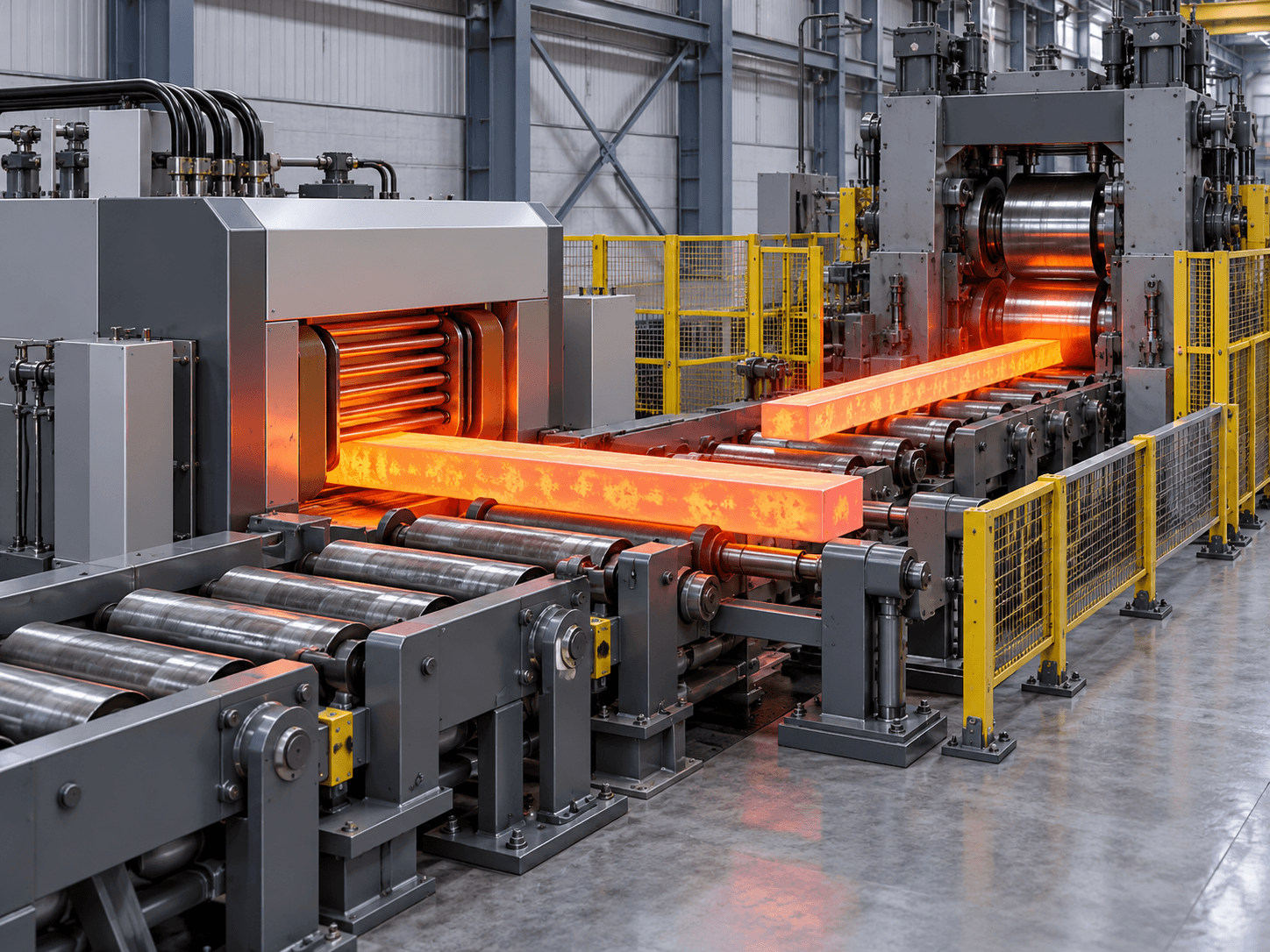
Illustrative induction billet heater feeding a steel rolling line
Illustrative application concept

Mini-mill and rolling operations

Induction melting and billet-reheating concepts for mini-mills and rolling plants. Capacity and line arrangement are reviewed against caster output, mill pace and site conditions.

Read More
Illustrative induction surface-hardening system for industrial components
Illustrative application concept

Hardening and heat treatment

Induction hardening and related heat-treatment equipment for shafts, gears, bars and tubes. Process scope, controls, data recording and target case properties are defined for each part and application.

Read More
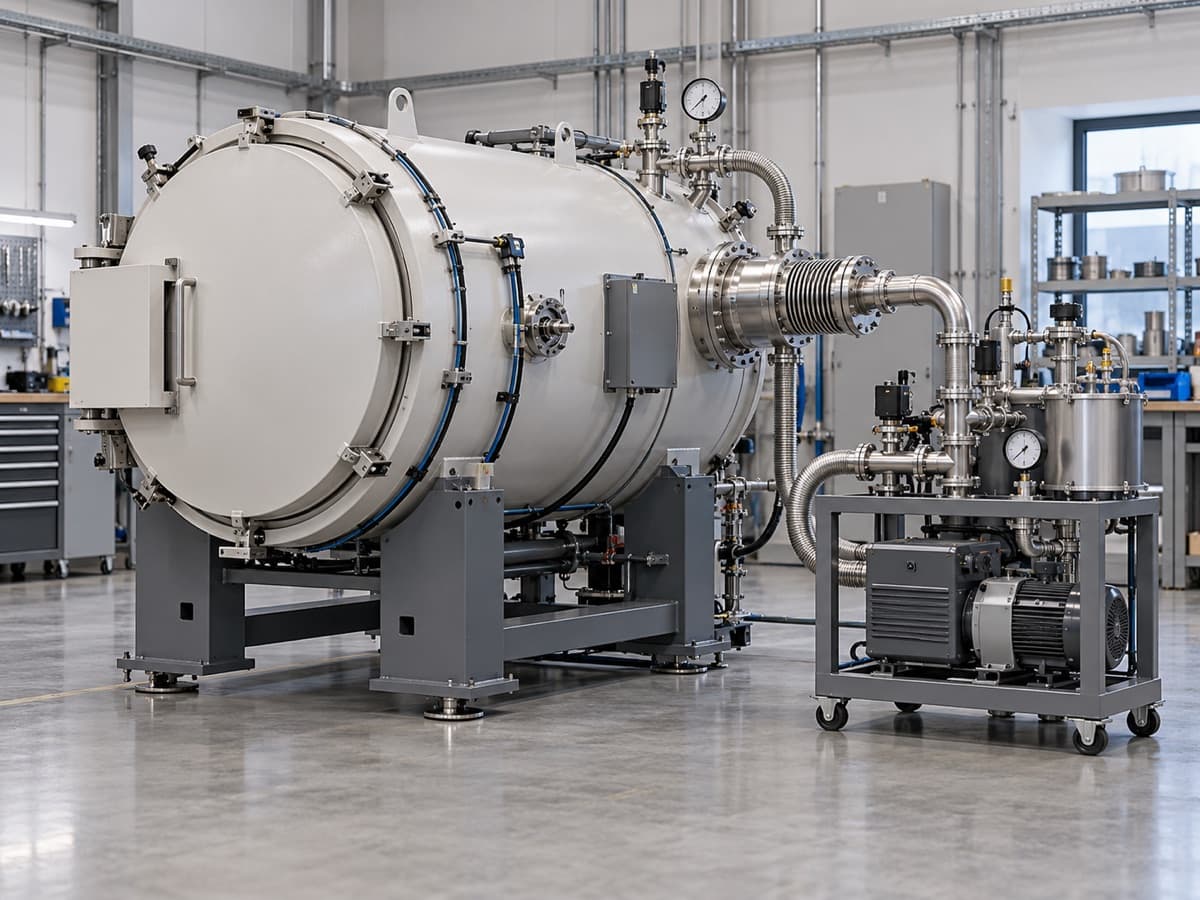
Illustrative vacuum induction furnace for investment casting alloy preparation
Illustrative application concept

Investment and precision casting

Melting equipment concepts for investment casting and precision foundries. Alloy compatibility, atmosphere, batch size, temperature profile and pouring interface require technical review.

Read More
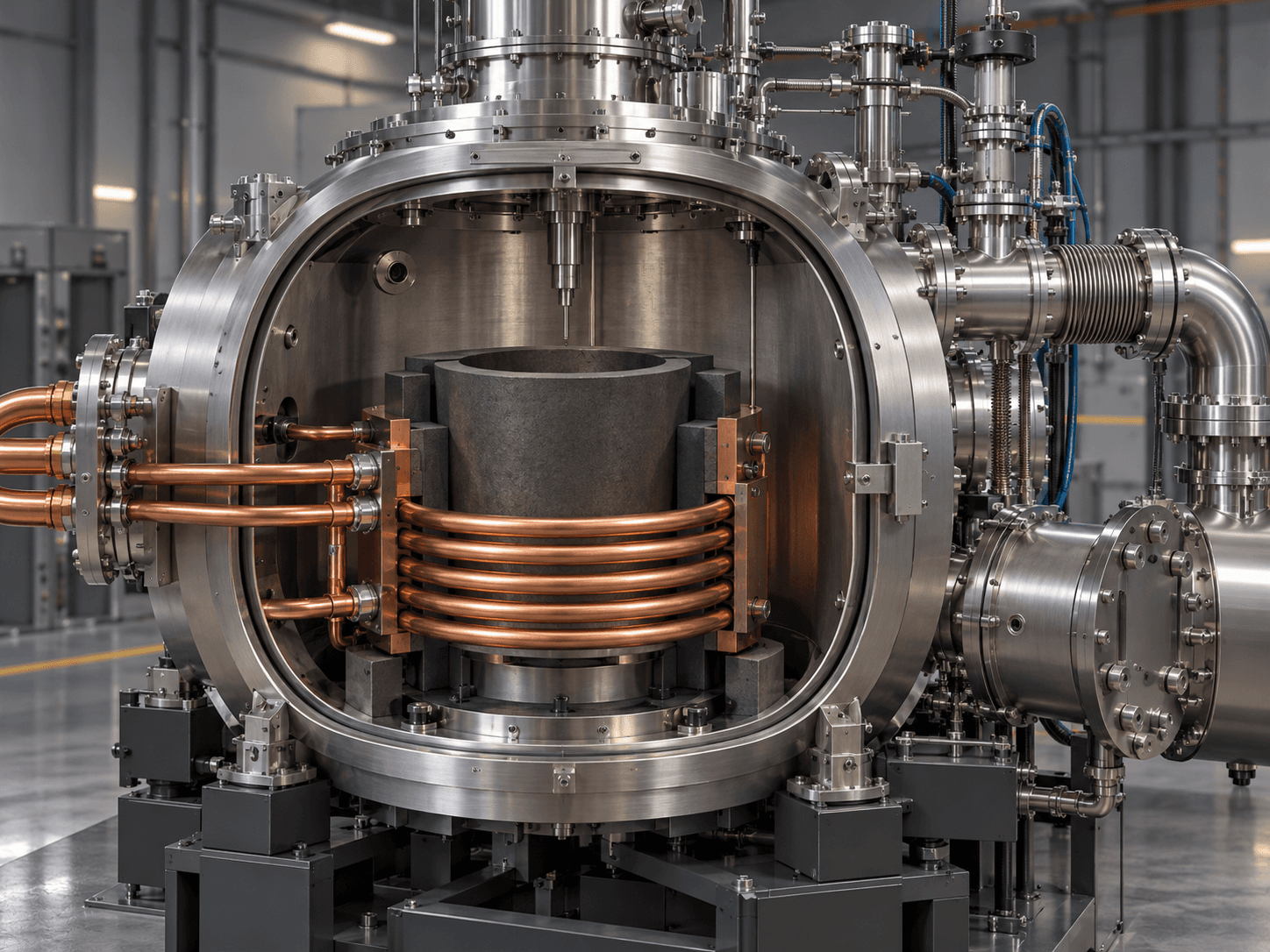
Illustrative vacuum induction melting setup with graphite crucible for advanced materials research
Illustrative application concept

Advanced materials and graphite

Vacuum and controlled-atmosphere furnace concepts for graphite, hard metals and technical ceramics. Maximum temperature, working zone, atmosphere and pressure depend on the specific model and process review.

Read More
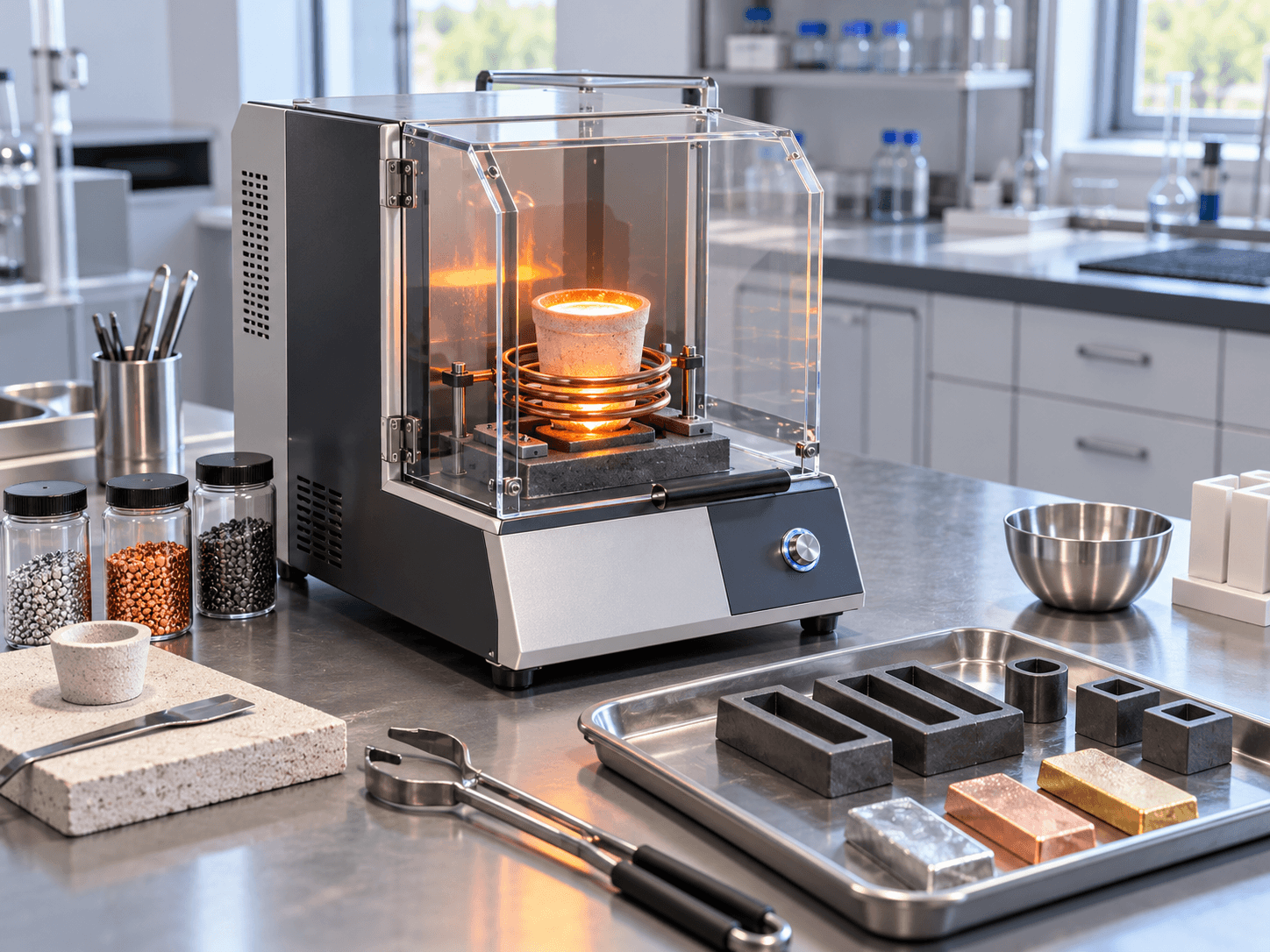
Illustrative compact induction melting furnace in a materials research laboratory
Illustrative application concept

Research and laboratory melting

Laboratory-scale melting and furnace configurations for research, materials trials and small-batch development. Temperature range, atmosphere, recipe control and data logging depend on the selected model.

Read More

Tell us what your process needs.

Share the material or part, target output or treatment result, operating schedule and site utilities. Our engineers can review the equipment configuration and quotation scope against your application.