Skip to content

Industry Application

Induction Melting Furnaces for Steel and Iron Foundries

Coreless induction melting configurations for grey iron, ductile iron, carbon steel and alloy steel. Furnace size, power, lining and duty cycle are reviewed against the alloy mix, batch size and production schedule.

Foundry melting performance depends on the alloy mix, charge condition, lining practice, operating schedule and downstream casting process. These inputs shape the equipment review and the operating plan.

Single- or dual-body arrangements can be evaluated against the required melt schedule and relining plan. Charging, holding and pouring interfaces are discussed using the customer's materials and site conditions; final configuration is subject to engineering review.

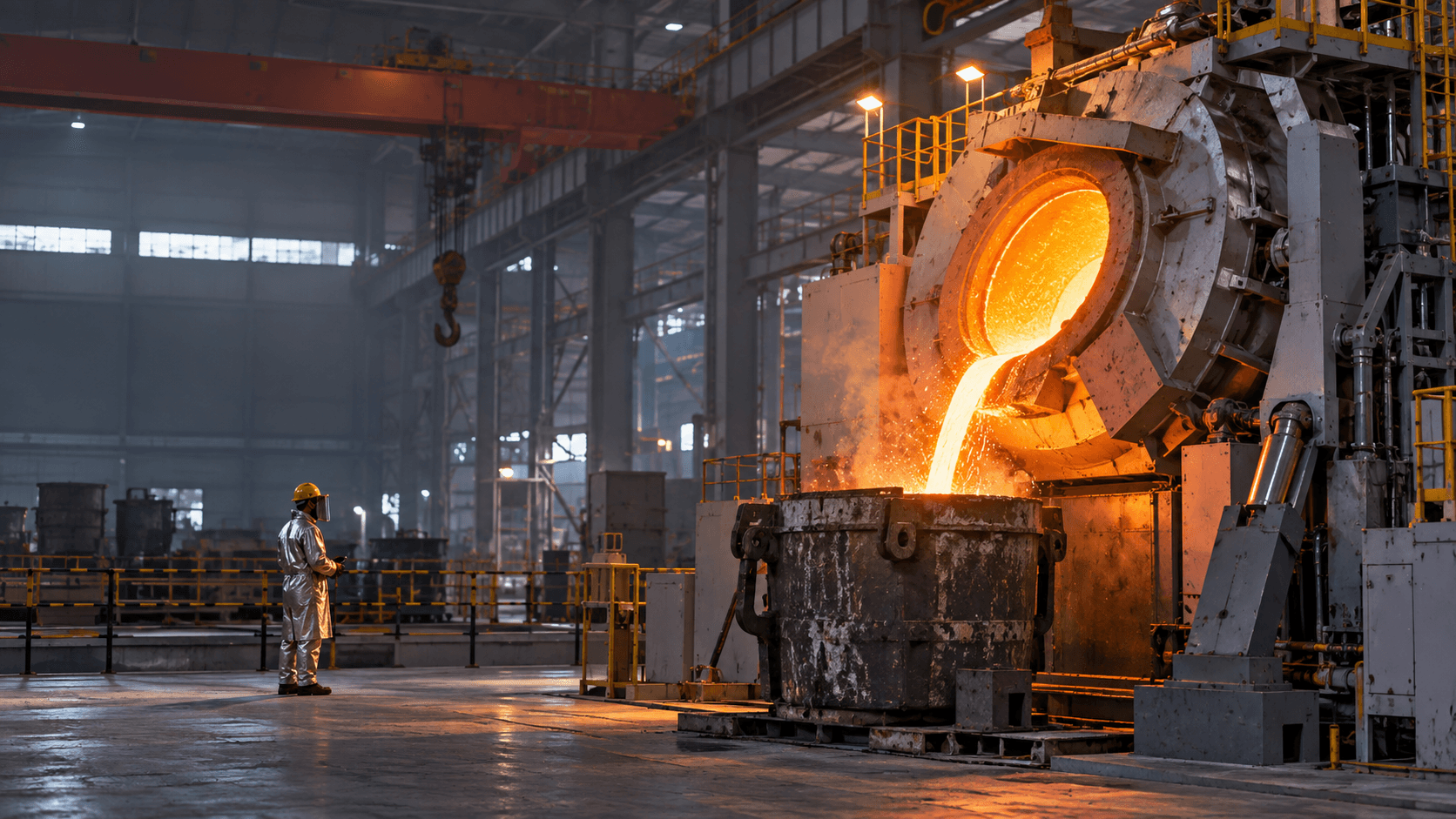
Illustrative molten-metal tapping scene for steel and iron foundry melting
Illustrative application concept

What This Industry Has to Solve

The three problems that decide whether an installation in this industry pays for itself or becomes a maintenance liability.

01

Planning around relining downtime

Furnace-body count, changeover sequence and lining sinter schedule can be reviewed together to determine whether a single- or dual-body arrangement better fits the planned production schedule.

02

Power and melt-schedule planning

Power-supply selection should account for charge material, batch size, target melt schedule, transformer capacity and site utility limits. Performance estimates require engineering inputs and confirmation.

03

Charge contamination and slag

Refractory selection depends on alloy, slag chemistry, operating temperature and maintenance practice. The lining supplier and furnace application should be reviewed together for the intended process.

The configurations we most often specify for steel & iron foundries operations.

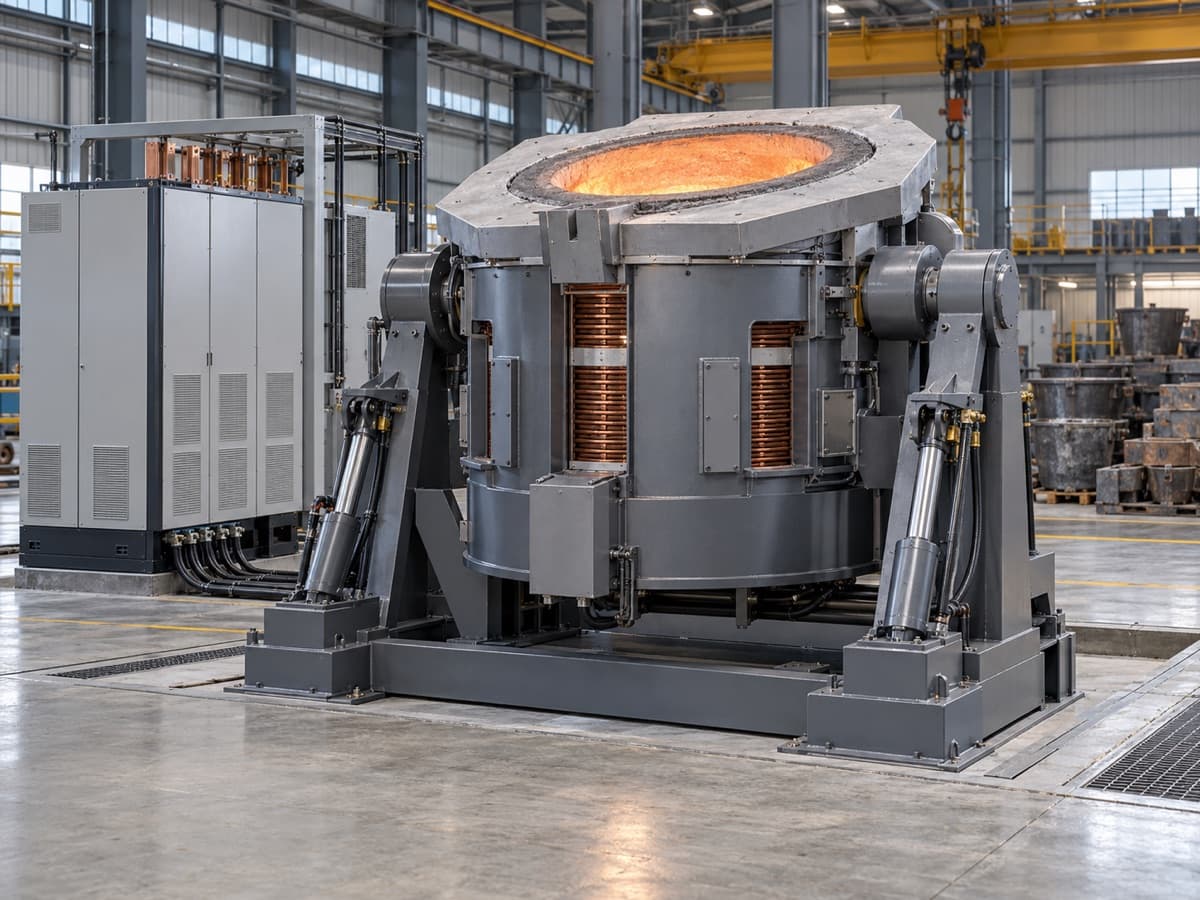
FL-GW-SS

Steel Shell Induction Melting Furnace

Fully welded steel-shell furnace with magnetic yoke and hydraulic 95° tilting, from 0.5 to 5 tons per body — the standard choice for continuous foundry melting.

Read More →
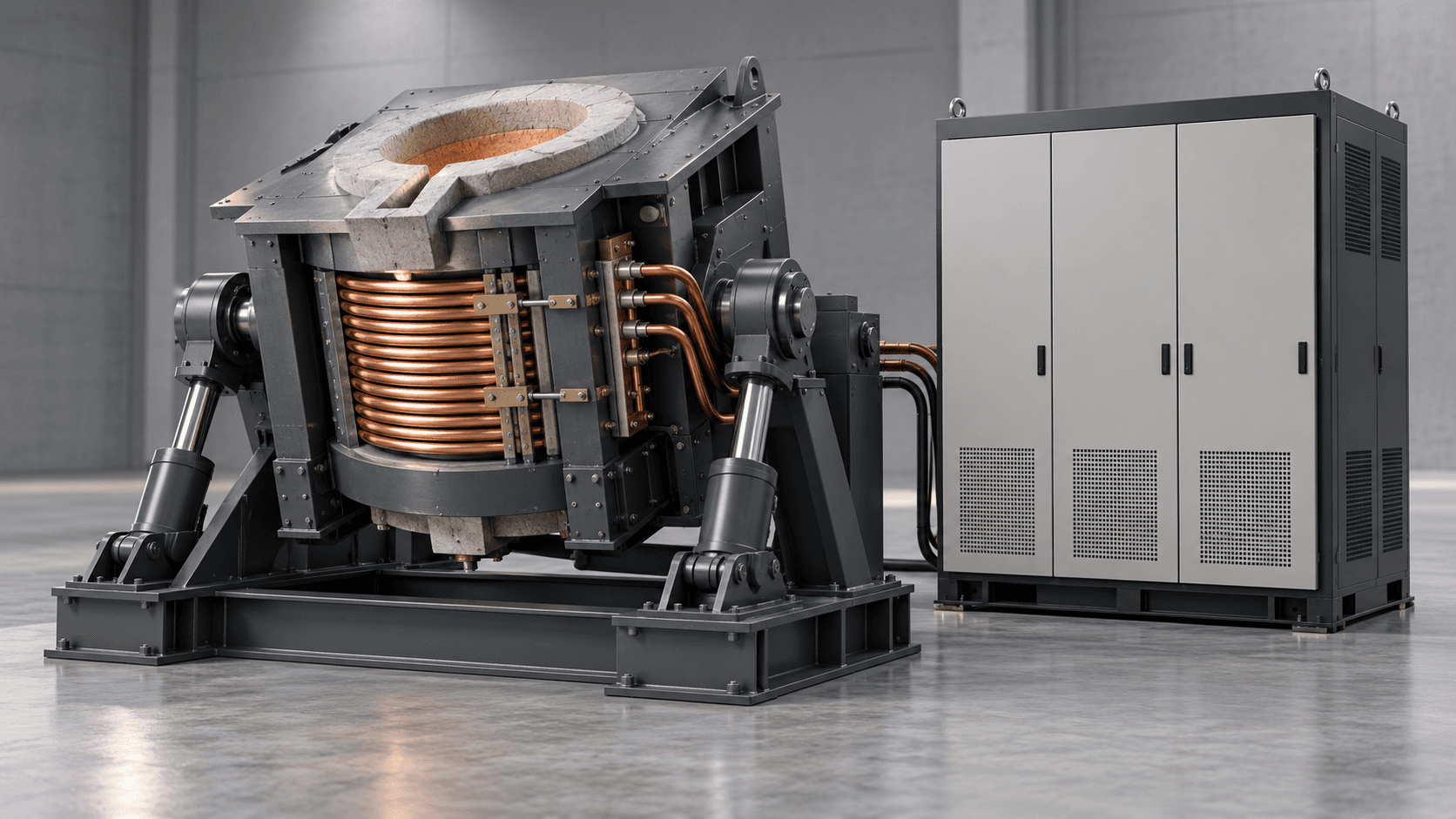
Studio product visualization of a steel-shell induction melting furnace and power cabinet

Illustrative product concept; final configuration is confirmed during engineering review.
FL-GW-DT

Dual-Track Melting Furnace System

Two furnace bodies sharing a single medium frequency power supply, switched from one console so melting never stops for a lining change.

Read More →
Illustrative product concept of a steel-shell induction melting furnace in a foundry setting

Illustrative product concept; final configuration is confirmed during engineering review.
FL-AUX-REF

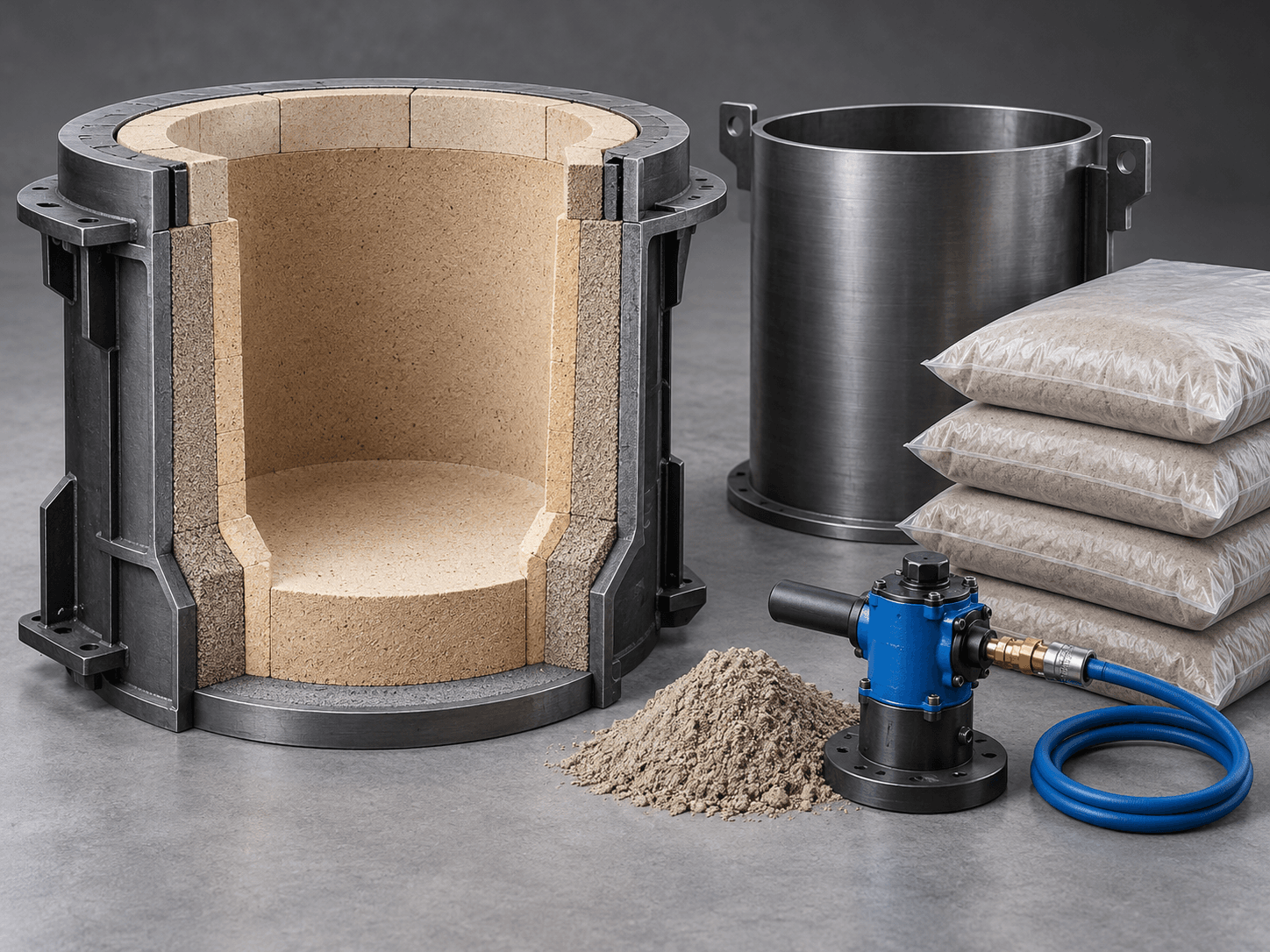
Furnace Lining Refractory

Furnace-lining material and installation-tooling options reviewed against furnace design, alloy, slag practice and operating conditions.

Read More →
Illustrative product concept of an induction furnace refractory lining, steel former and ramming materials

Illustrative product concept; final configuration is confirmed during engineering review.
Other Industry Solutions

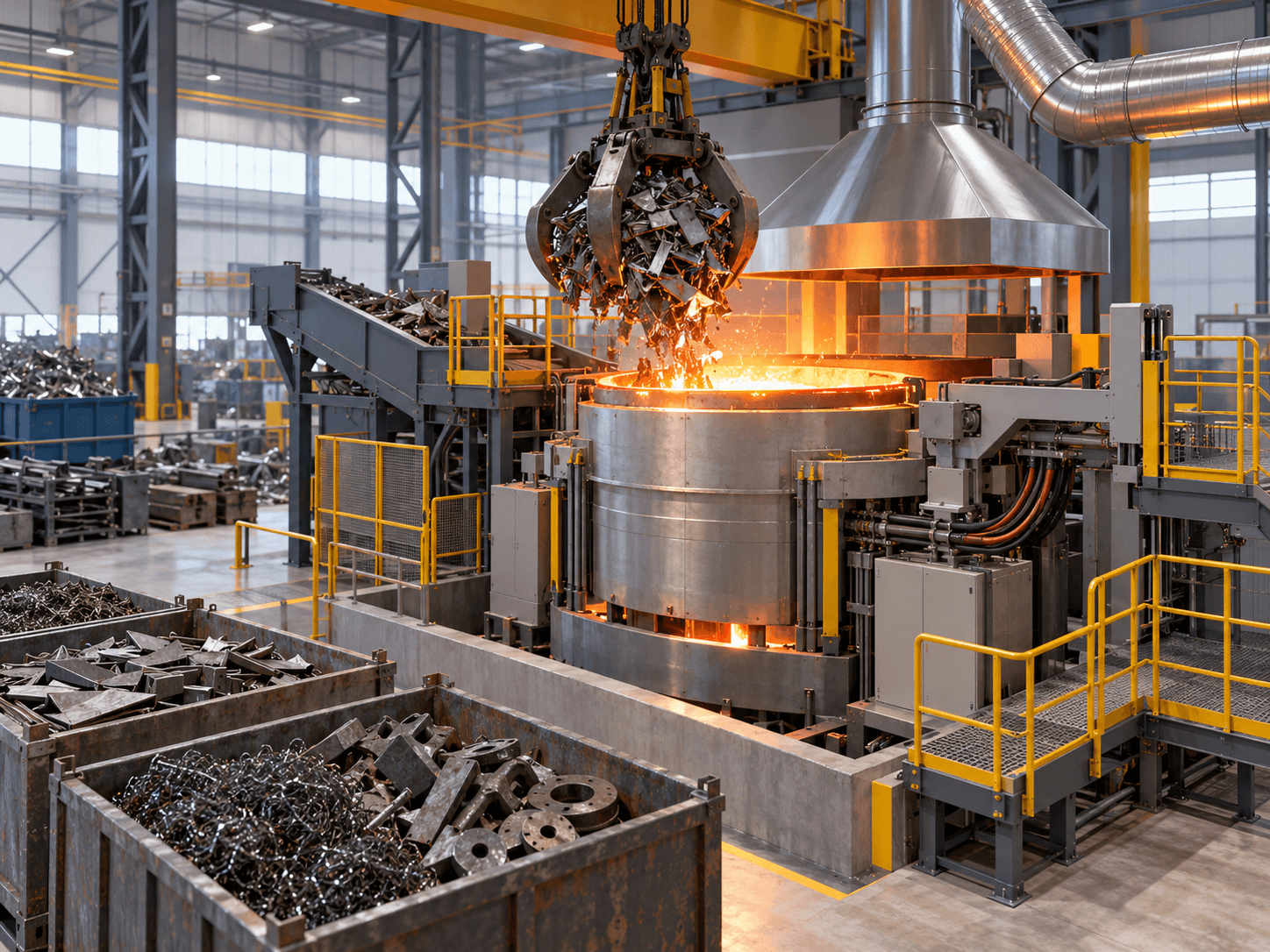
Illustrative induction furnace receiving sorted scrap metal beneath an extraction hood
Illustrative application concept

Scrap recycling and re-melting

Induction melting system concepts for scrap processors producing ingot or billet. Charge handling and extraction requirements are reviewed against feedstock and site conditions.

Read More
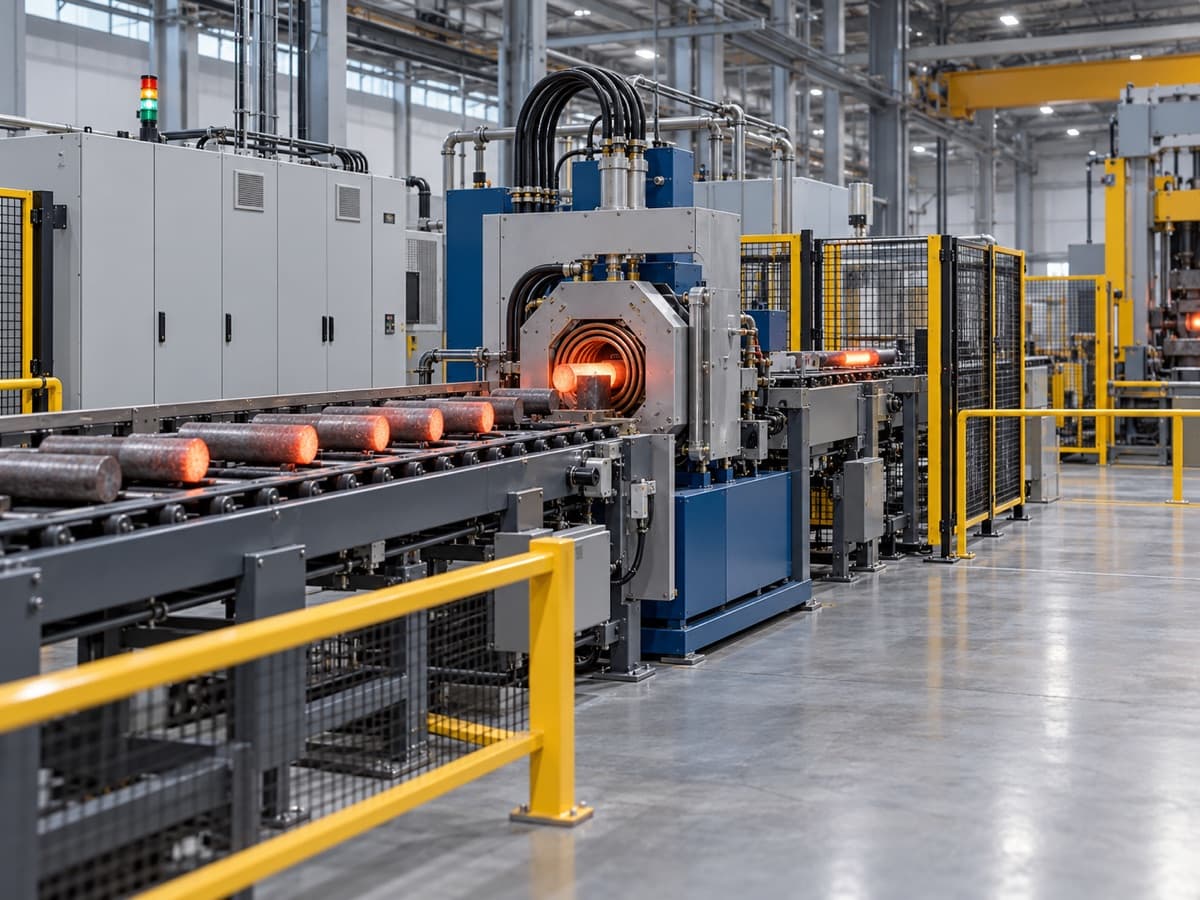
Illustrative induction billet heating line for forging and fastener production
Illustrative application concept

Forging and fastener heating

Through-heating and end-heating concepts for billet, bar and fastener production. Line layout, temperature monitoring, press interface and part changeover are scoped to the workpiece and process requirements.

Read More
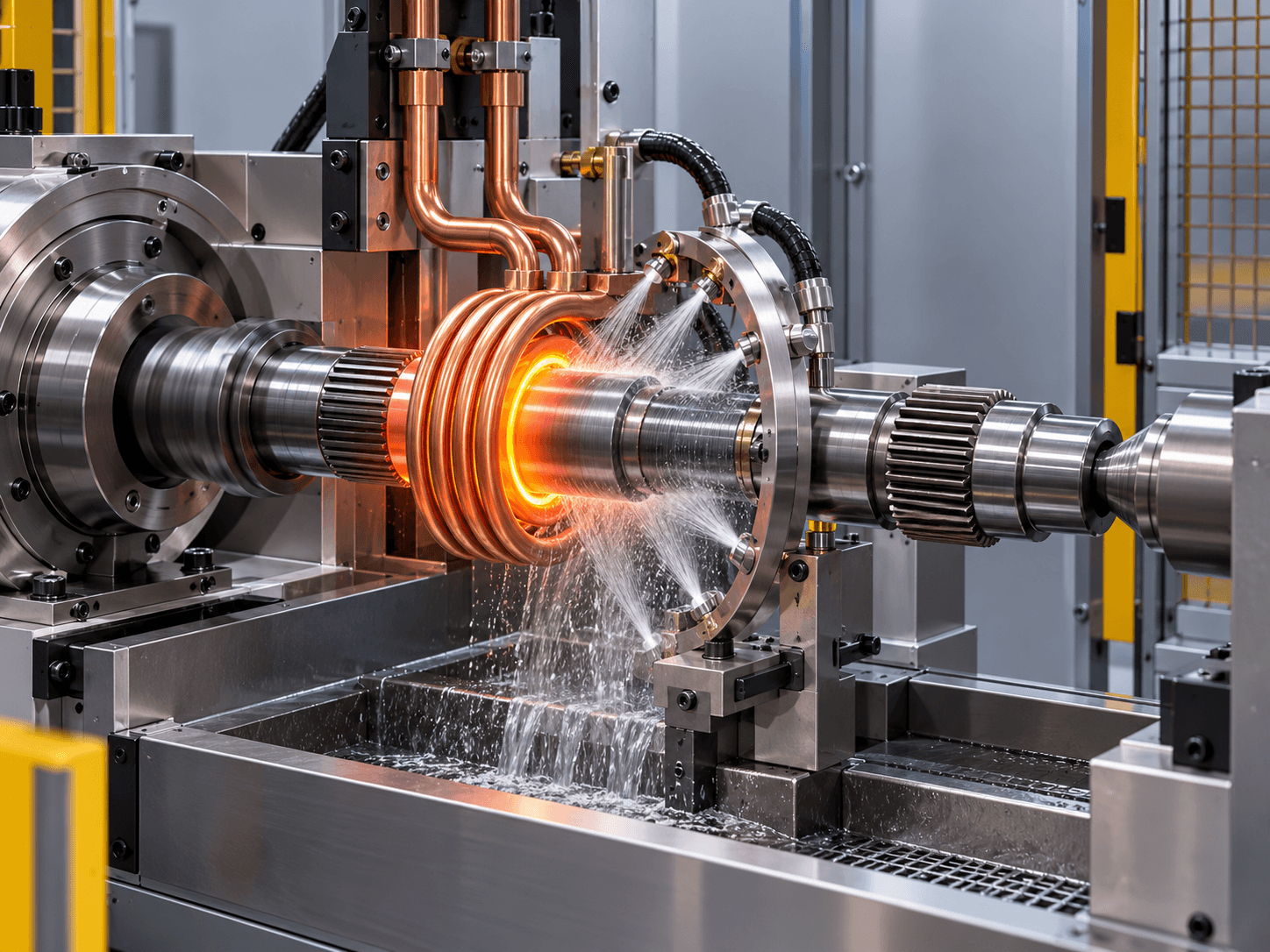
Illustrative automotive shaft induction hardening cell with controlled quenching
Illustrative application concept

Automotive casting and hardening

Equipment concepts for automotive casting, billet heating and induction hardening. Traceability, controls, data interfaces and customer-specific quality requirements are defined during technical review.

Read More

Tell us what your process needs.

Share the material or part, target output or treatment result, operating schedule and site utilities. Our engineers can review the equipment configuration and quotation scope against your application.