Skip to content

Industry Application

Induction Aluminium and Non-Ferrous Melting and Holding Furnaces

Melting and holding furnace configurations for aluminium, zinc and other non-ferrous alloys. Alloy, charge form, temperature targets, holding profile and casting interface require project-specific review.

Aluminium and other non-ferrous alloys need a process review that considers charge condition, melt practice, temperature targets, transfer method and casting requirements.

The equipment configuration should be selected around alloy family, batch size, operating schedule and the casting cell interface. Temperature stability, stirring behavior and metal yield are application-specific outcomes that require confirmation.

Illustrative induction melting furnace configured for aluminium and non-ferrous alloys
Illustrative application concept

What This Industry Has to Solve

The three problems that decide whether an installation in this industry pays for itself or becomes a maintenance liability.

01

Metal loss on the melt

Metal yield depends on alloy, charge quality, melt practice, holding time and transfer conditions. A comparison requires a defined baseline and representative production data.

02

Oxide entrainment from stirring

Power and frequency choices influence bath movement and should be reviewed with the alloy, vessel geometry and casting quality requirements. Resulting metallurgical performance must be validated for the process.

03

Temperature stability for die casting

Target holding range, measurement location, response to production pauses and acceptance method should be specified for the die-casting process and confirmed for the selected model.

The configurations we most often specify for aluminium & non-ferrous operations.

FL-GWL

Aluminium Melting & Holding Furnace

Low-frequency induction furnace tuned for aluminium and its alloys, with gentle stirring, low burn-off and a holding mode for die-casting lines.

Read More →
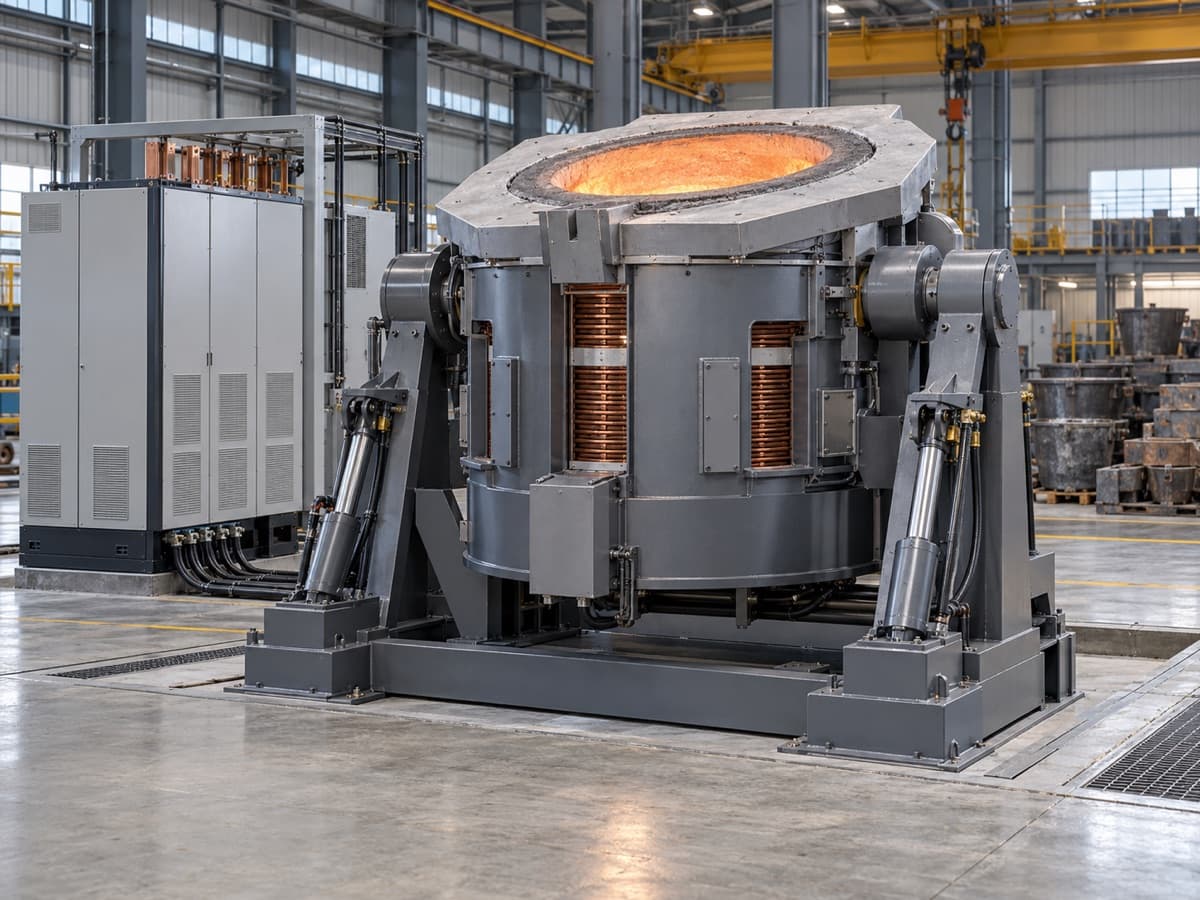
Illustrative product concept of a steel-shell induction melting furnace in a foundry setting

Illustrative product concept; final configuration is confirmed during engineering review.
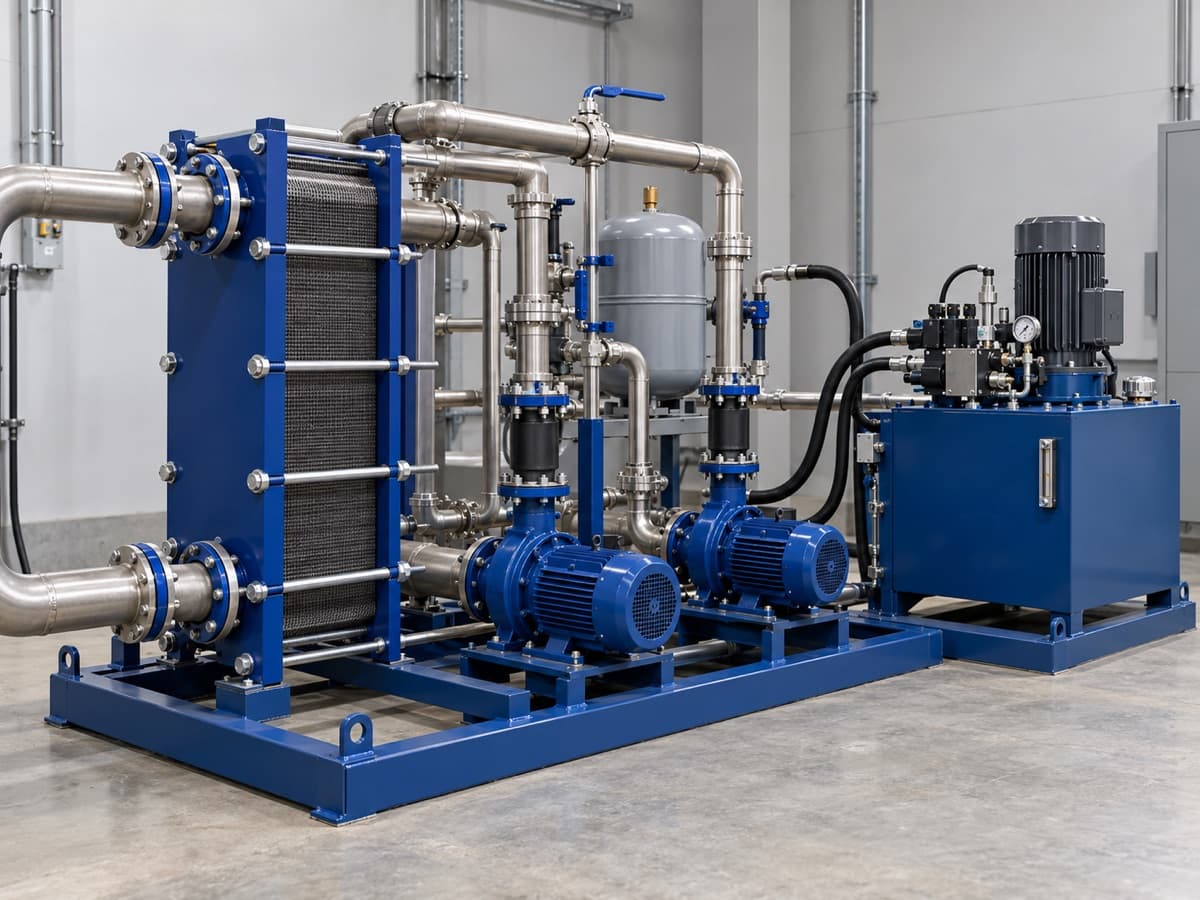
FL-GWT

Copper & Brass Melting Furnace

Medium frequency furnace for copper, brass and bronze with zinc-vapour extraction and tilting pour, sized 100 kg to 10 tons.

Read More →
Illustrative product concept of a steel-shell induction melting furnace in a foundry setting

Illustrative product concept; final configuration is confirmed during engineering review.
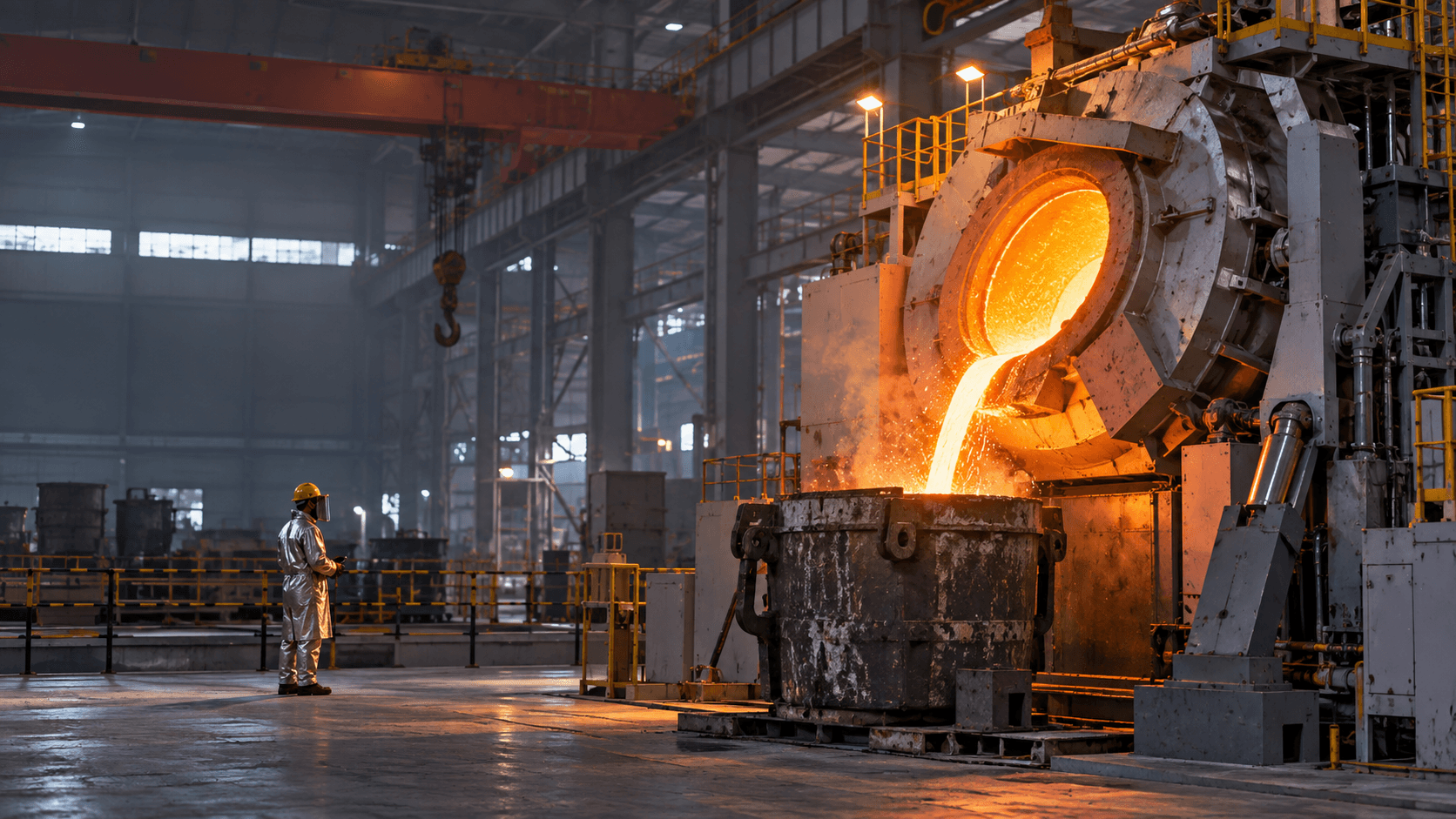
FL-AUX-COOL

Closed-Loop Cooling System

Two-circuit cooling with a plate heat exchanger, deionised internal loop and evaporative or dry cooling tower — the single most important accessory for furnace life.

Read More →
Illustrative product concept of a closed-loop furnace cooling skid and hydraulic power unit

Illustrative product concept; final configuration is confirmed during engineering review.
Other Industry Solutions

Illustrative molten-metal tapping scene for steel and iron foundry melting
Illustrative application concept

Steel and iron foundry melting

Coreless induction melting configurations for grey iron, ductile iron, carbon steel and alloy steel. Furnace size, power, lining and duty cycle are reviewed against the alloy mix, batch size and production schedule.

Read More
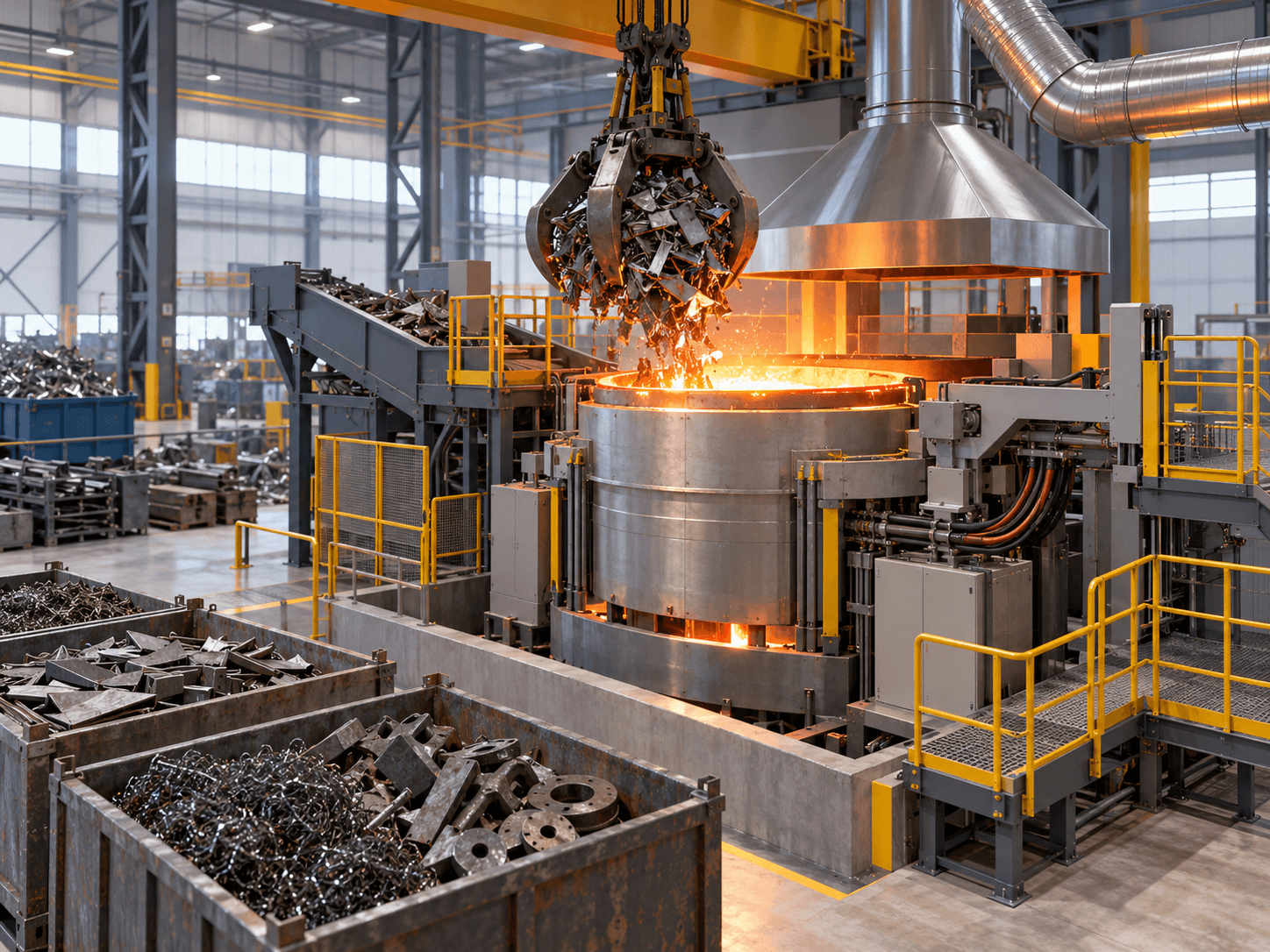
Illustrative induction furnace receiving sorted scrap metal beneath an extraction hood
Illustrative application concept

Scrap recycling and re-melting

Induction melting system concepts for scrap processors producing ingot or billet. Charge handling and extraction requirements are reviewed against feedstock and site conditions.

Read More
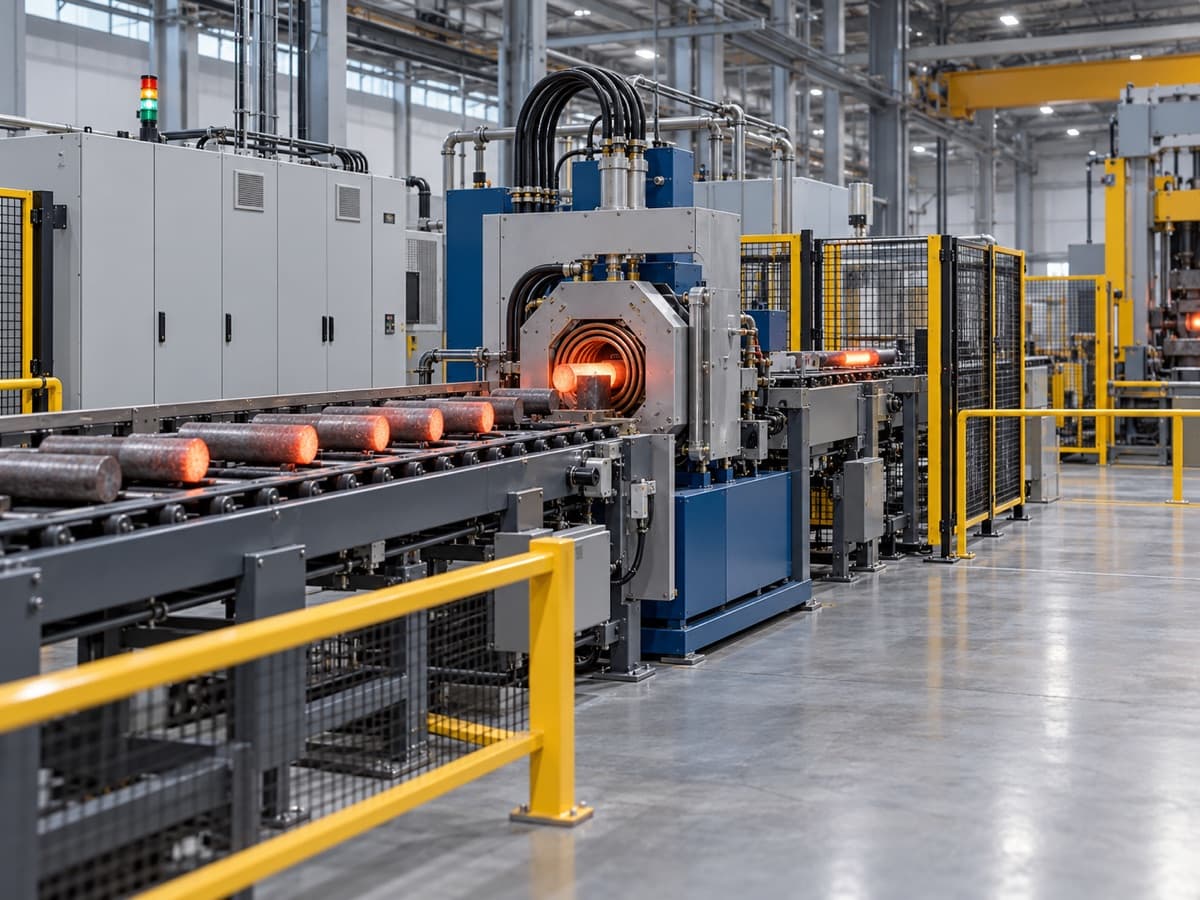
Illustrative induction billet heating line for forging and fastener production
Illustrative application concept

Forging and fastener heating

Through-heating and end-heating concepts for billet, bar and fastener production. Line layout, temperature monitoring, press interface and part changeover are scoped to the workpiece and process requirements.

Read More

Tell us what your process needs.

Share the material or part, target output or treatment result, operating schedule and site utilities. Our engineers can review the equipment configuration and quotation scope against your application.