Skip to content

Industry Application

Melting Furnaces for Investment Casting and Precision Foundries

Melting equipment concepts for investment casting and precision foundries. Alloy compatibility, atmosphere, batch size, temperature profile and pouring interface require technical review.

Investment casting may involve small batches of high-value alloys and coordinated shell preparation. Furnace selection should consider the alloy, charge mass, target temperature, atmosphere and pour sequence.

Temperature capability, ramp profile, atmosphere control and measurement method vary by model and configuration and must be confirmed for the intended process. Argon or vacuum options should be verified for the selected equipment and alloy.

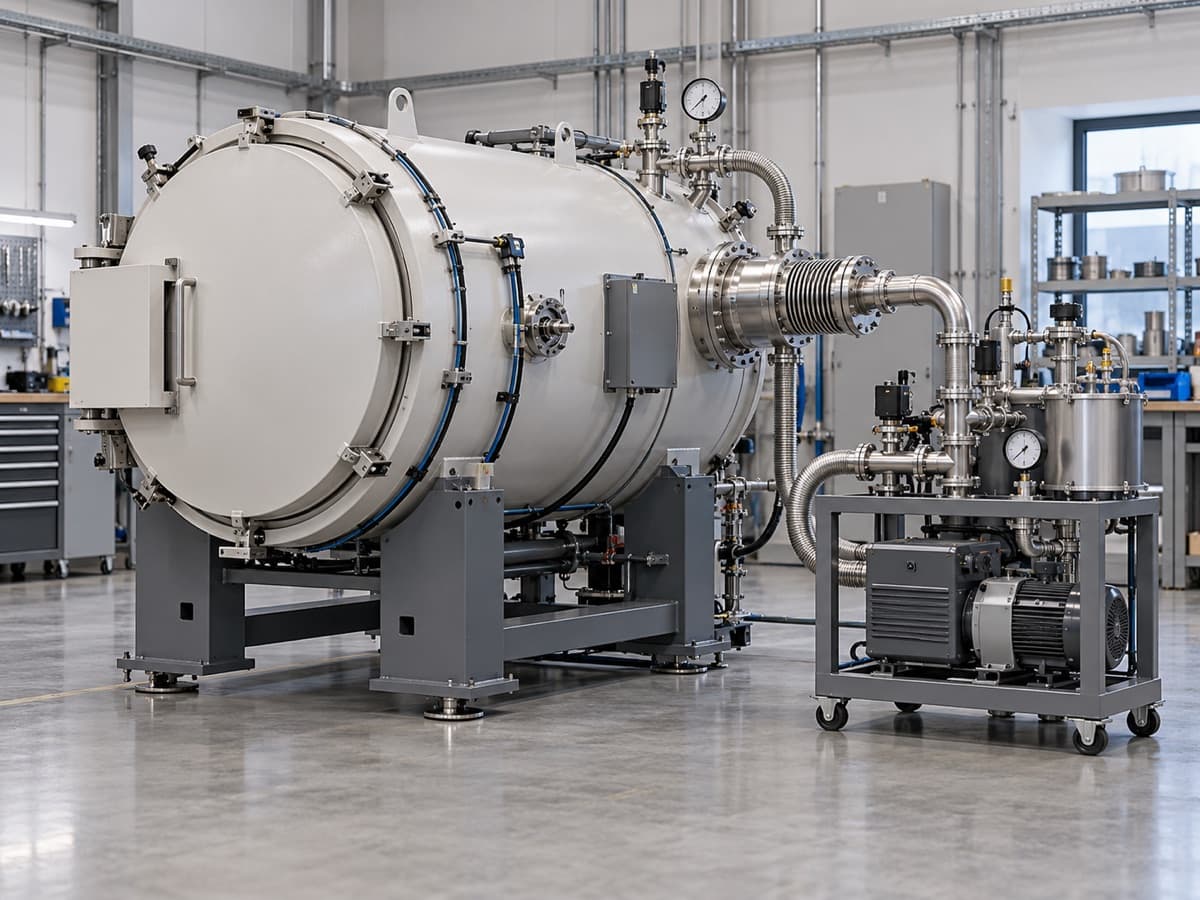
Illustrative vacuum induction furnace for investment casting alloy preparation
Illustrative application concept

What This Industry Has to Solve

The three problems that decide whether an installation in this industry pays for itself or becomes a maintenance liability.

01

Hitting the pour window

Ramp profile, temperature measurement and shell scheduling can be reviewed together. The achievable process window requires model-specific confirmation and representative trials.

02

Oxidation of reactive alloys

Atmosphere choice depends on alloy reactivity and the required process environment. Confirm chamber materials, vacuum level or gas conditions and alloy compatibility with engineering before specifying a system.

03

Small batches, frequent alloy changes

Crucible melting with a lift-out or tilting pour makes an alloy change a crucible swap rather than a lining rebuild.

The configurations we most often specify for investment casting operations.

FL-HQ

Laboratory & Precision Casting Furnace

Bench and floor-standing furnaces from 1 kg to 100 kg with fast heat-up and tight temperature control, for R&D, dental, jewellery and investment casting.

Read More →
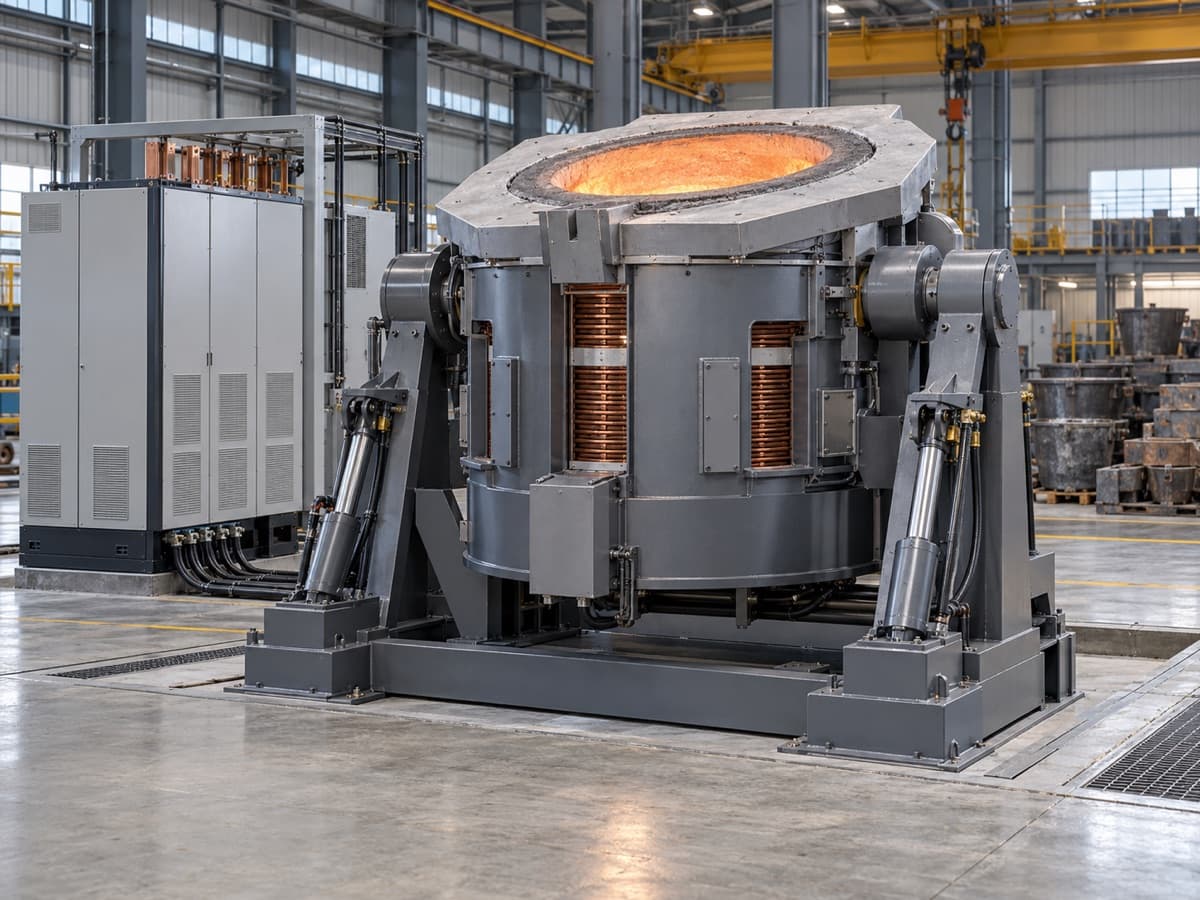
Illustrative product concept of a steel-shell induction melting furnace in a foundry setting

Illustrative product concept; final configuration is confirmed during engineering review.
FL-VIM

Vacuum Induction Melting Furnace

Melting and casting under vacuum or inert atmosphere from 5 kg to 2 tons, for nickel superalloys, titanium alloys, magnetic alloys and clean specialty steels.

Read More →
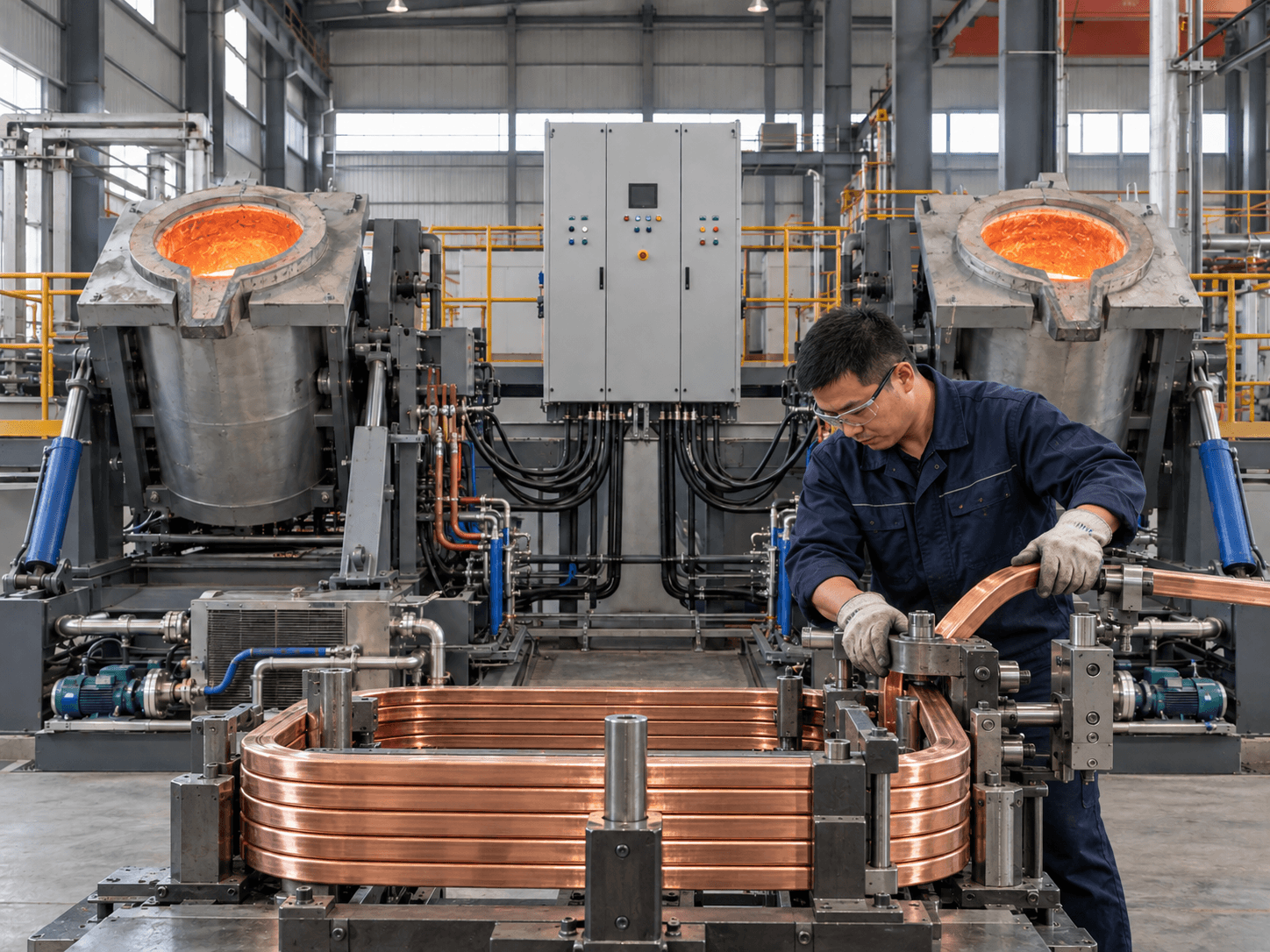
Representative induction furnace copper coil manufacturing configuration

Illustrative product concept; final configuration is confirmed during engineering review.
FL-GW-AS

Aluminium Shell Induction Melting Furnace

Lightweight aluminium-frame furnace for small and medium foundries — lower installed cost, faster relining, ideal below 3 tons.

Read More →
Illustrative product concept of a steel-shell induction melting furnace in a foundry setting

Illustrative product concept; final configuration is confirmed during engineering review.
Other Industry Solutions

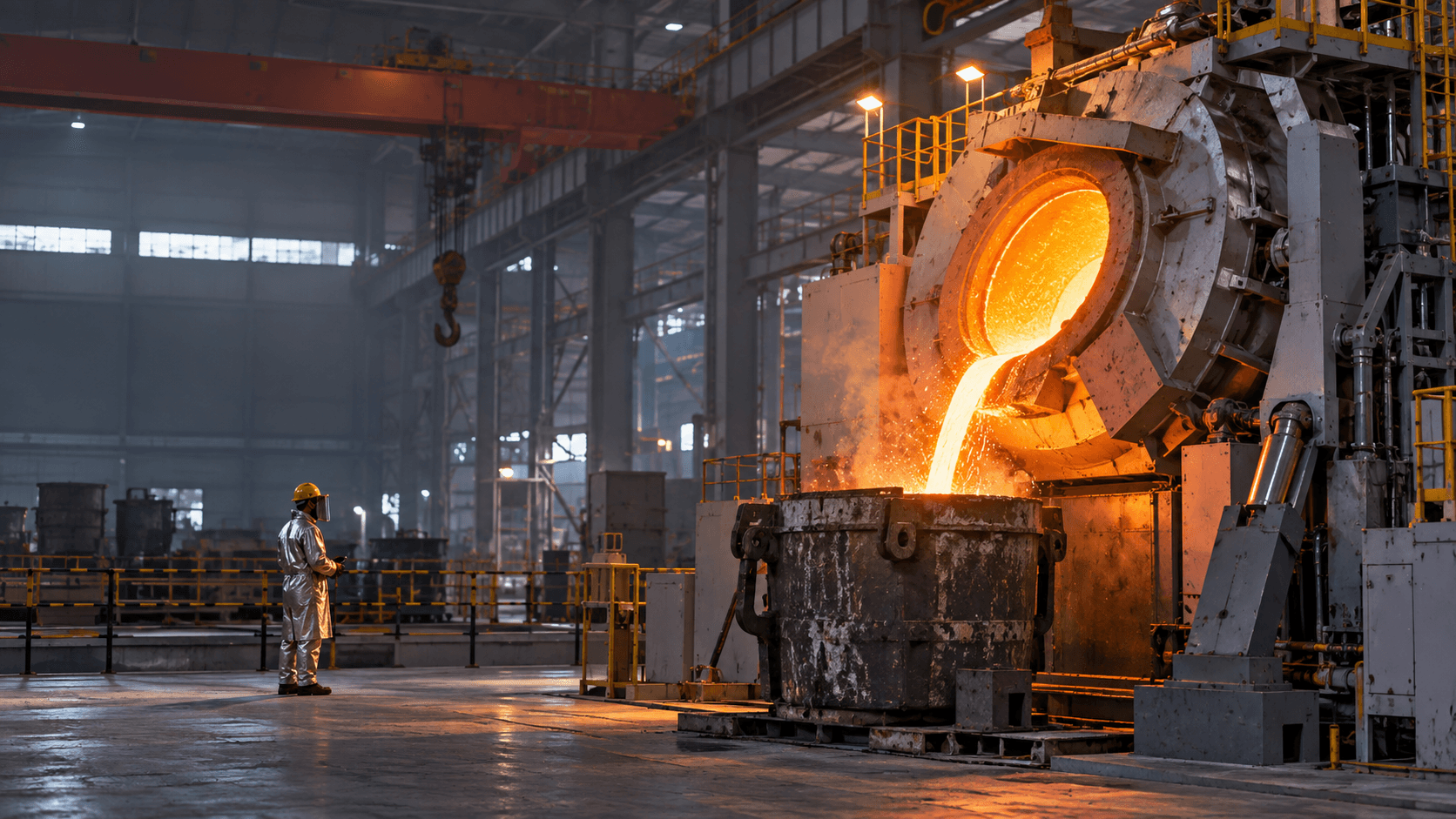
Illustrative molten-metal tapping scene for steel and iron foundry melting
Illustrative application concept

Steel and iron foundry melting

Coreless induction melting configurations for grey iron, ductile iron, carbon steel and alloy steel. Furnace size, power, lining and duty cycle are reviewed against the alloy mix, batch size and production schedule.

Read More
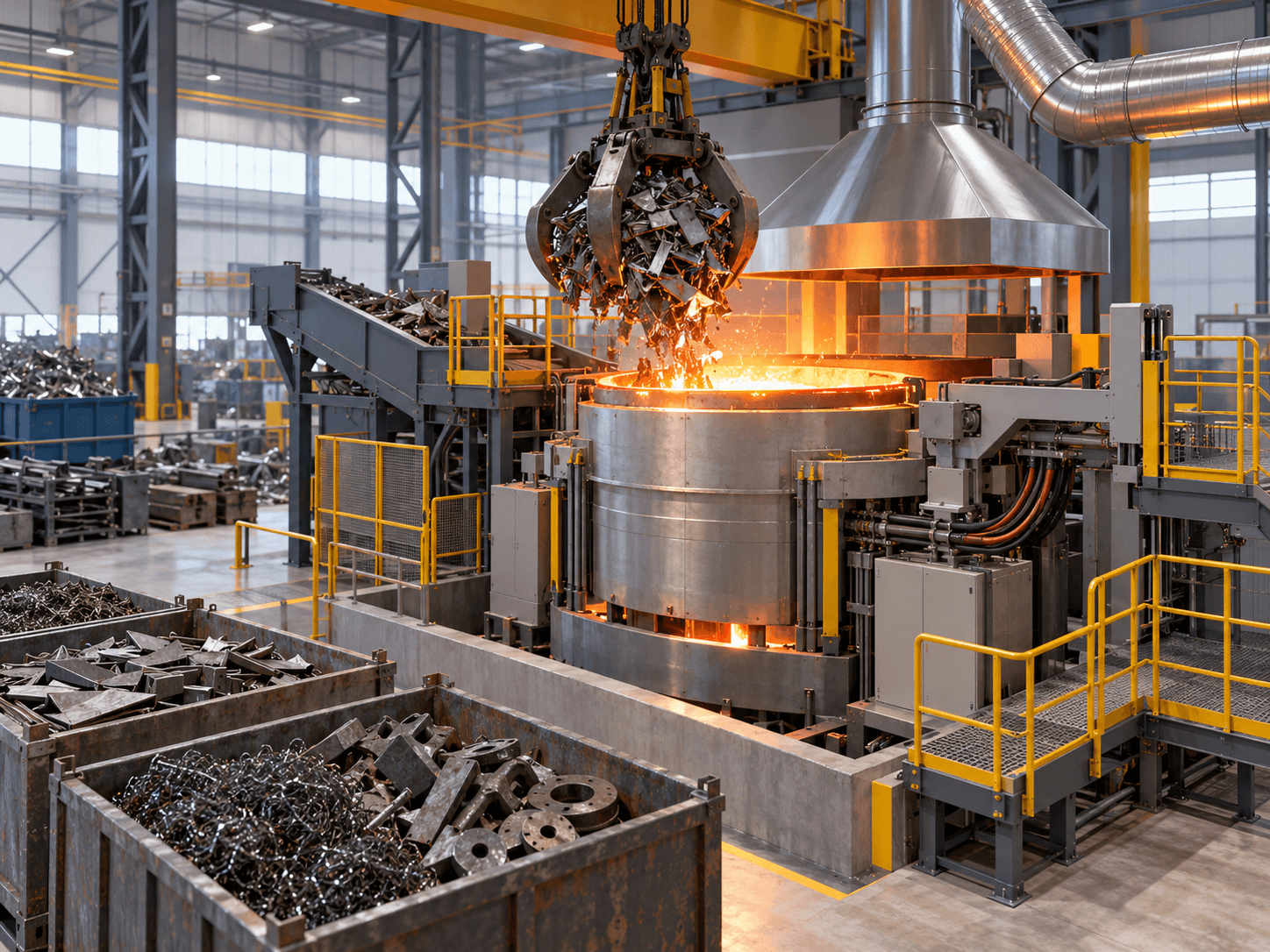
Illustrative induction furnace receiving sorted scrap metal beneath an extraction hood
Illustrative application concept

Scrap recycling and re-melting

Induction melting system concepts for scrap processors producing ingot or billet. Charge handling and extraction requirements are reviewed against feedstock and site conditions.

Read More
Illustrative induction billet heating line for forging and fastener production
Illustrative application concept

Forging and fastener heating

Through-heating and end-heating concepts for billet, bar and fastener production. Line layout, temperature monitoring, press interface and part changeover are scoped to the workpiece and process requirements.

Read More

Tell us what your process needs.

Share the material or part, target output or treatment result, operating schedule and site utilities. Our engineers can review the equipment configuration and quotation scope against your application.