Skip to content

Industry Application

Induction Melting Furnaces for Copper, Brass and Bronze Foundries

Induction melting configurations for copper rod, brass fittings, bronze components and other non-ferrous foundry work. Extraction needs depend on alloy, feedstock and local requirements.

Copper and its alloys require a process review covering alloy composition, charge form, batch size, crucible or lining, pouring method and operating schedule.

For brass and other alloys that may generate process fumes, extraction design must be assessed against the material, furnace arrangement, facility ventilation and applicable local rules. Recovery and emissions performance require project-specific engineering confirmation.

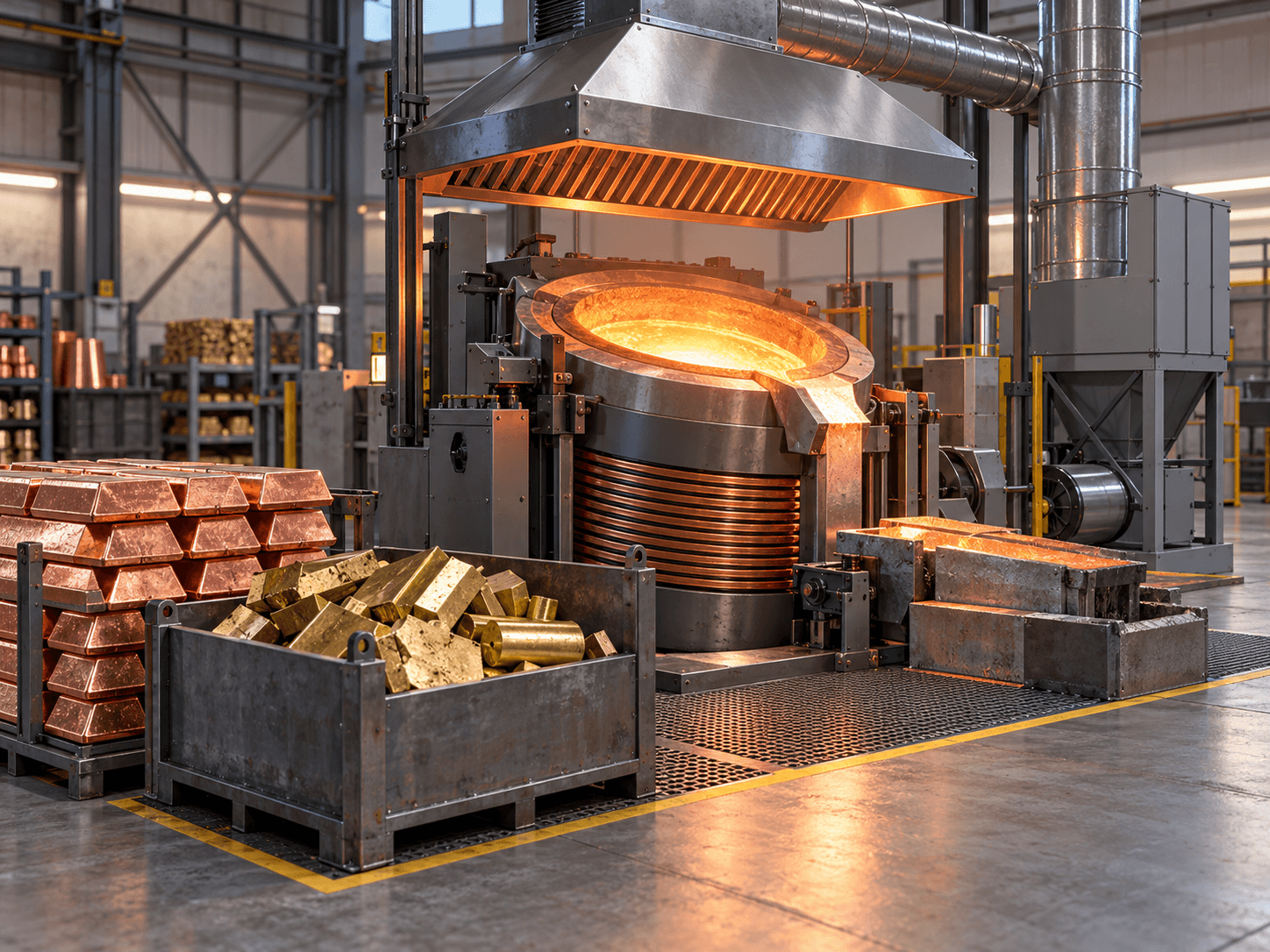
Illustrative copper, brass and bronze induction foundry melting station with extraction hood
Illustrative application concept

What This Industry Has to Solve

The three problems that decide whether an installation in this industry pays for itself or becomes a maintenance liability.

01

Zinc loss and workshop fume

Extraction hood, ducting and filtration requirements should be assessed by a qualified ventilation engineer using the alloy, furnace layout, operating pattern and local exposure/emissions requirements.

02

Surface superheat during melt-down

Power profile, coil geometry and charge sequence can be reviewed against alloy, charge dimensions and target melt schedule. Melt quality and energy use should be confirmed using representative trials or production data.

03

Crucible versus rammed lining

Crucible and refractory options depend on alloy compatibility, operating temperature, changeover frequency and maintenance practice; confirm the lining system with the furnace and refractory suppliers.

The configurations we most often specify for copper & brass foundries operations.

FL-GWT

Copper & Brass Melting Furnace

Medium frequency furnace for copper, brass and bronze with zinc-vapour extraction and tilting pour, sized 100 kg to 10 tons.

Read More →
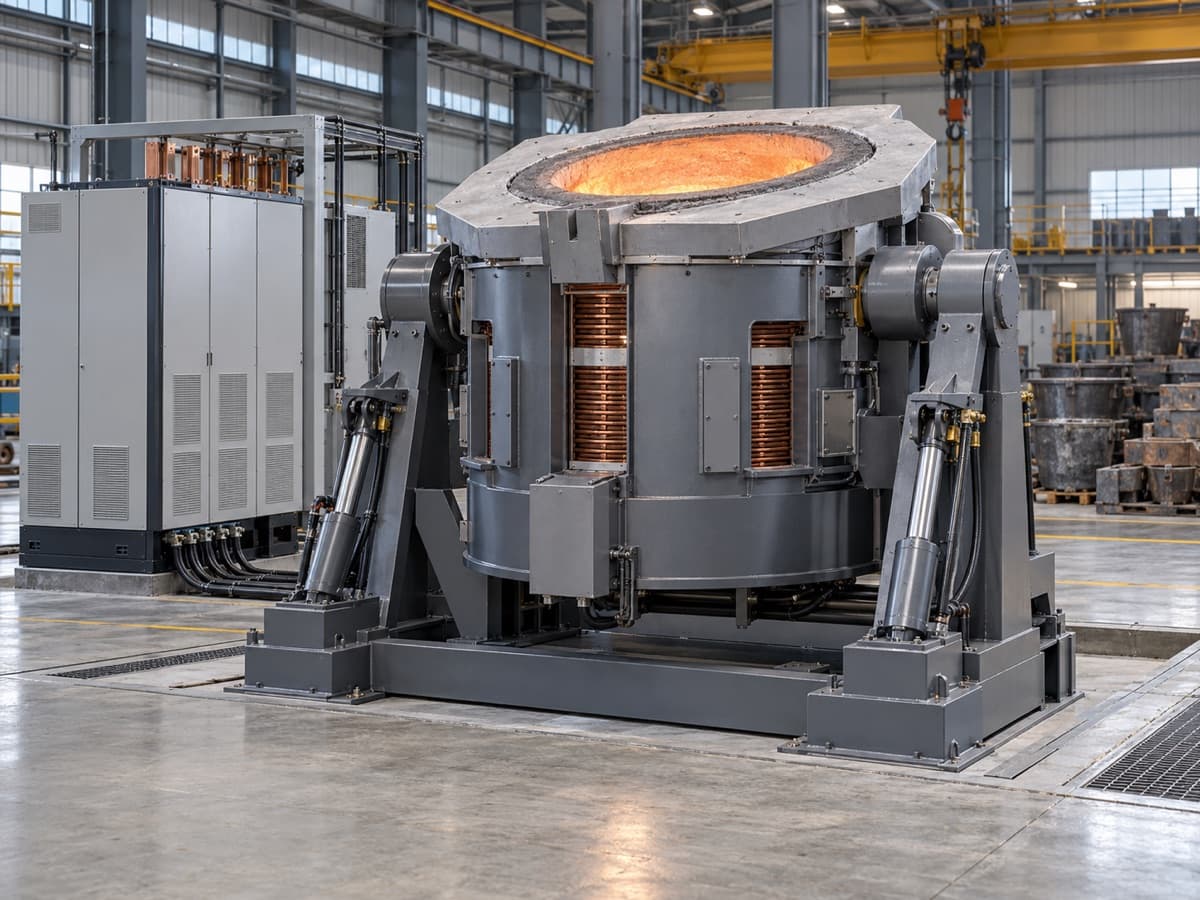
Illustrative product concept of a steel-shell induction melting furnace in a foundry setting

Illustrative product concept; final configuration is confirmed during engineering review.
FL-HQ

Laboratory & Precision Casting Furnace

Bench and floor-standing furnaces from 1 kg to 100 kg with fast heat-up and tight temperature control, for R&D, dental, jewellery and investment casting.

Read More →
Illustrative product concept of a steel-shell induction melting furnace in a foundry setting

Illustrative product concept; final configuration is confirmed during engineering review.
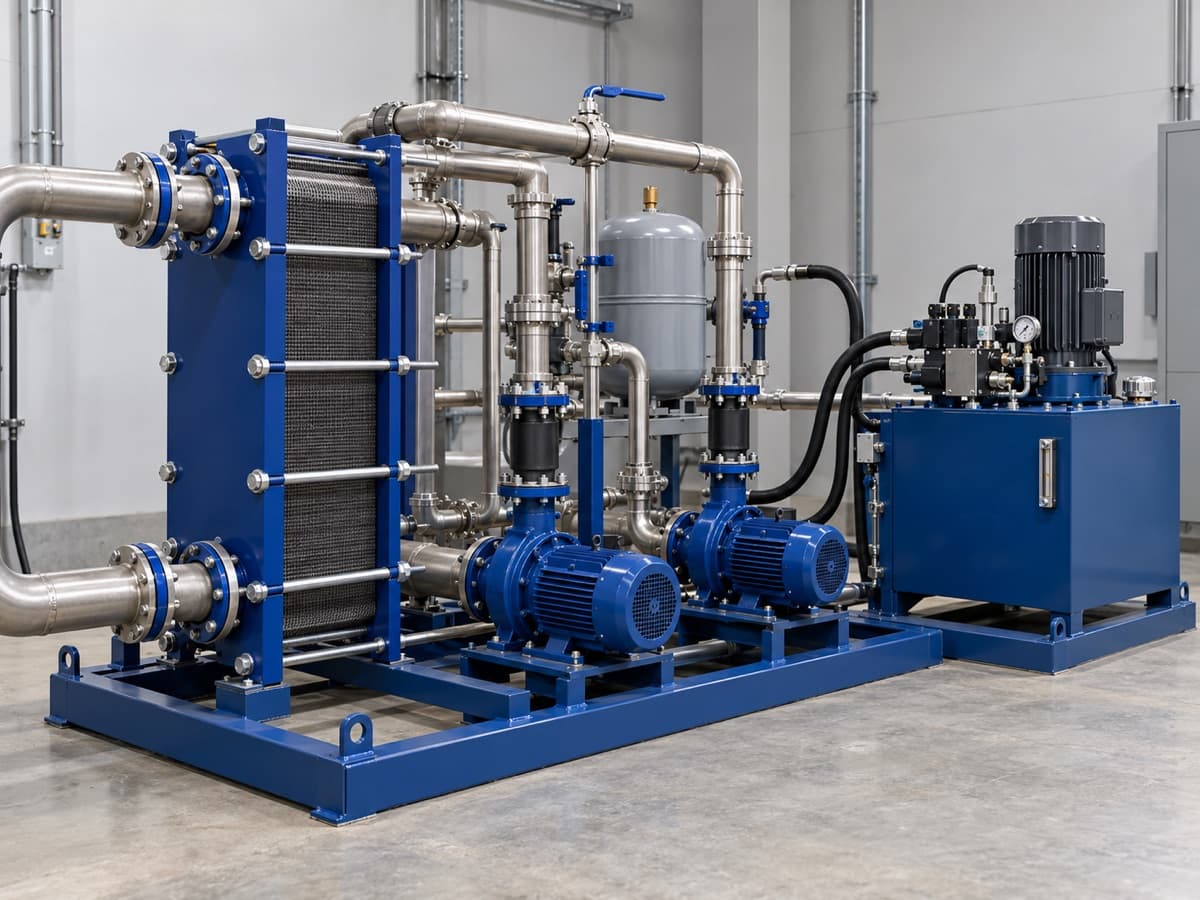
FL-AUX-HYD

Hydraulic Tilting Station

Twin-cylinder hydraulic tilting with proportional speed control, mechanical safety lock and emergency hand pump for controlled pouring at any capacity.

Read More →
Illustrative product concept of a closed-loop furnace cooling skid and hydraulic power unit

Illustrative product concept; final configuration is confirmed during engineering review.
Other Industry Solutions

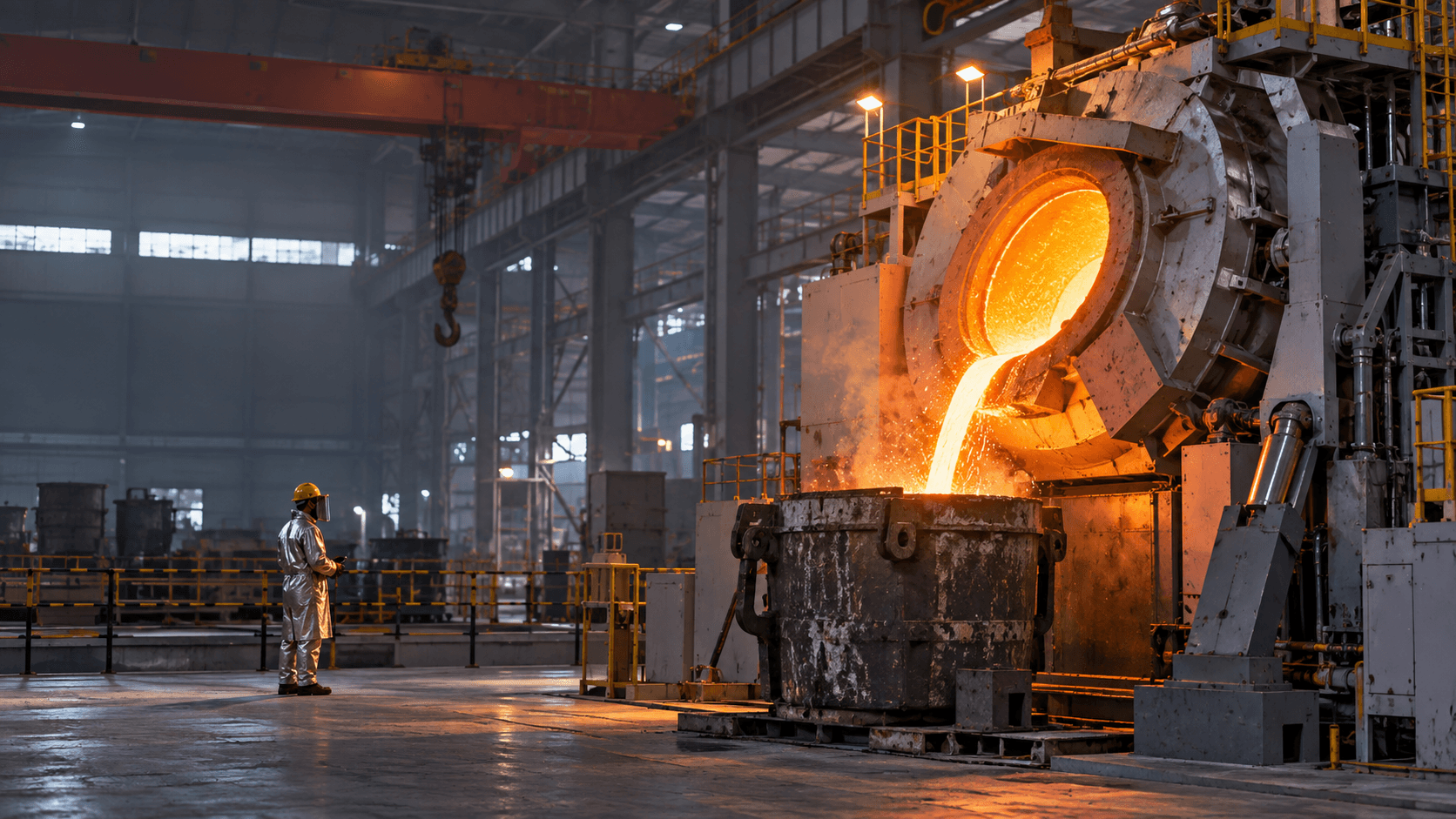
Illustrative molten-metal tapping scene for steel and iron foundry melting
Illustrative application concept

Steel and iron foundry melting

Coreless induction melting configurations for grey iron, ductile iron, carbon steel and alloy steel. Furnace size, power, lining and duty cycle are reviewed against the alloy mix, batch size and production schedule.

Read More
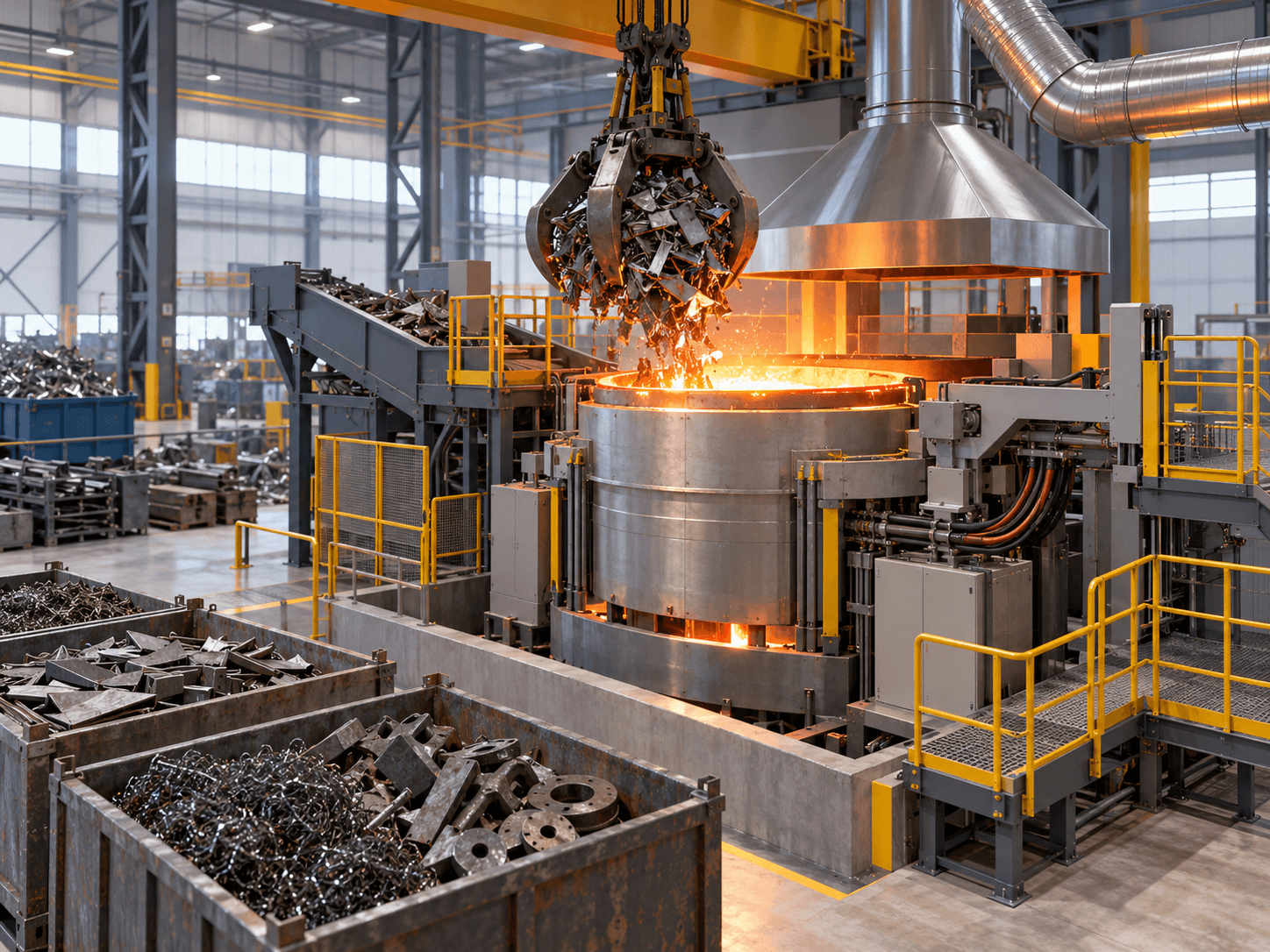
Illustrative induction furnace receiving sorted scrap metal beneath an extraction hood
Illustrative application concept

Scrap recycling and re-melting

Induction melting system concepts for scrap processors producing ingot or billet. Charge handling and extraction requirements are reviewed against feedstock and site conditions.

Read More
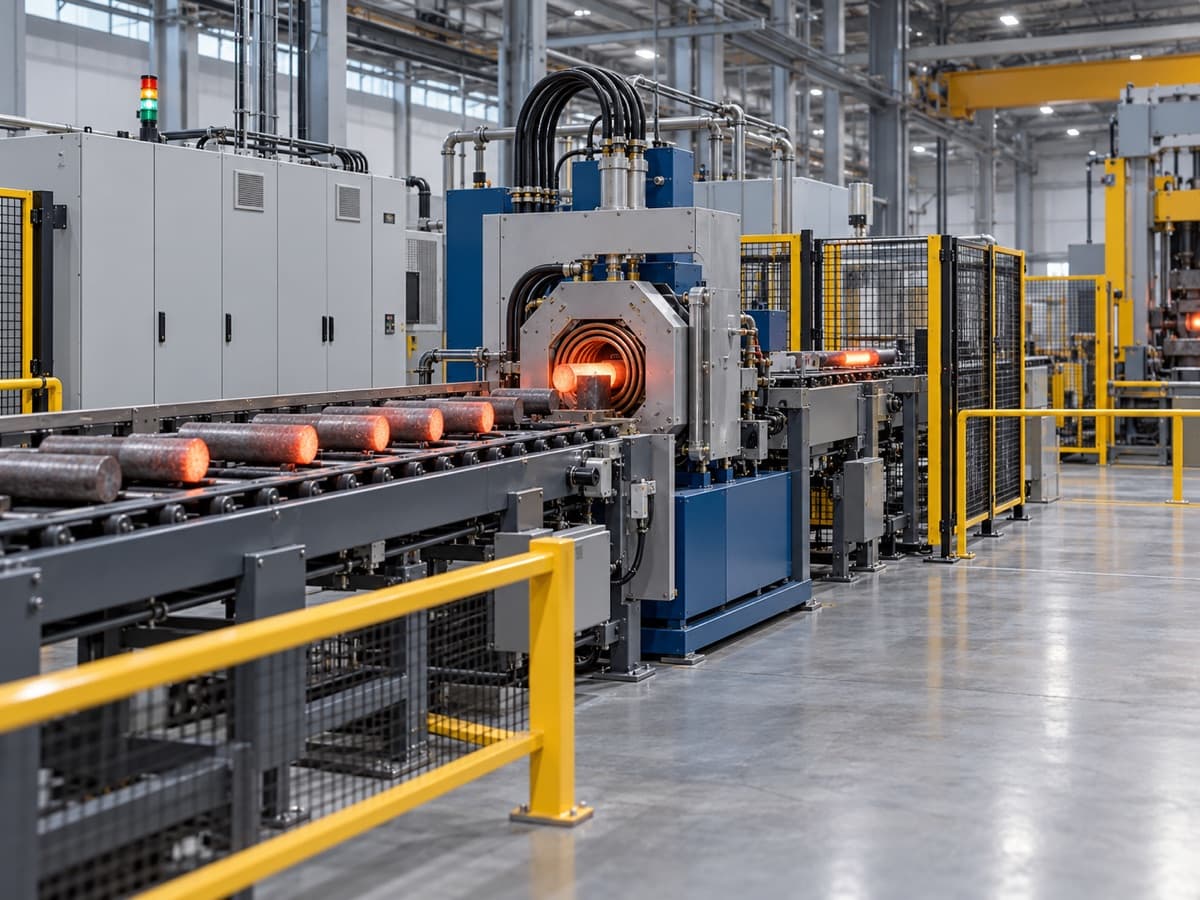
Illustrative induction billet heating line for forging and fastener production
Illustrative application concept

Forging and fastener heating

Through-heating and end-heating concepts for billet, bar and fastener production. Line layout, temperature monitoring, press interface and part changeover are scoped to the workpiece and process requirements.

Read More

Tell us what your process needs.

Share the material or part, target output or treatment result, operating schedule and site utilities. Our engineers can review the equipment configuration and quotation scope against your application.