Skip to content

Industry Application

Induction Billet and Bar Heating for Forging and Fastener Plants

Through-heating and end-heating concepts for billet, bar and fastener production. Line layout, temperature monitoring, press interface and part changeover are scoped to the workpiece and process requirements.

Forging temperature is tied to the alloy, billet geometry, press cycle and downstream forming process. The heating method and monitoring points should be selected around the production line rather than assumed from a generic recipe.

A project review can cover through-heating or end-heating, coil arrangement, temperature measurement, press signals, stoppage behavior and reject handling. Available controls and interfaces must be confirmed for the selected configuration.

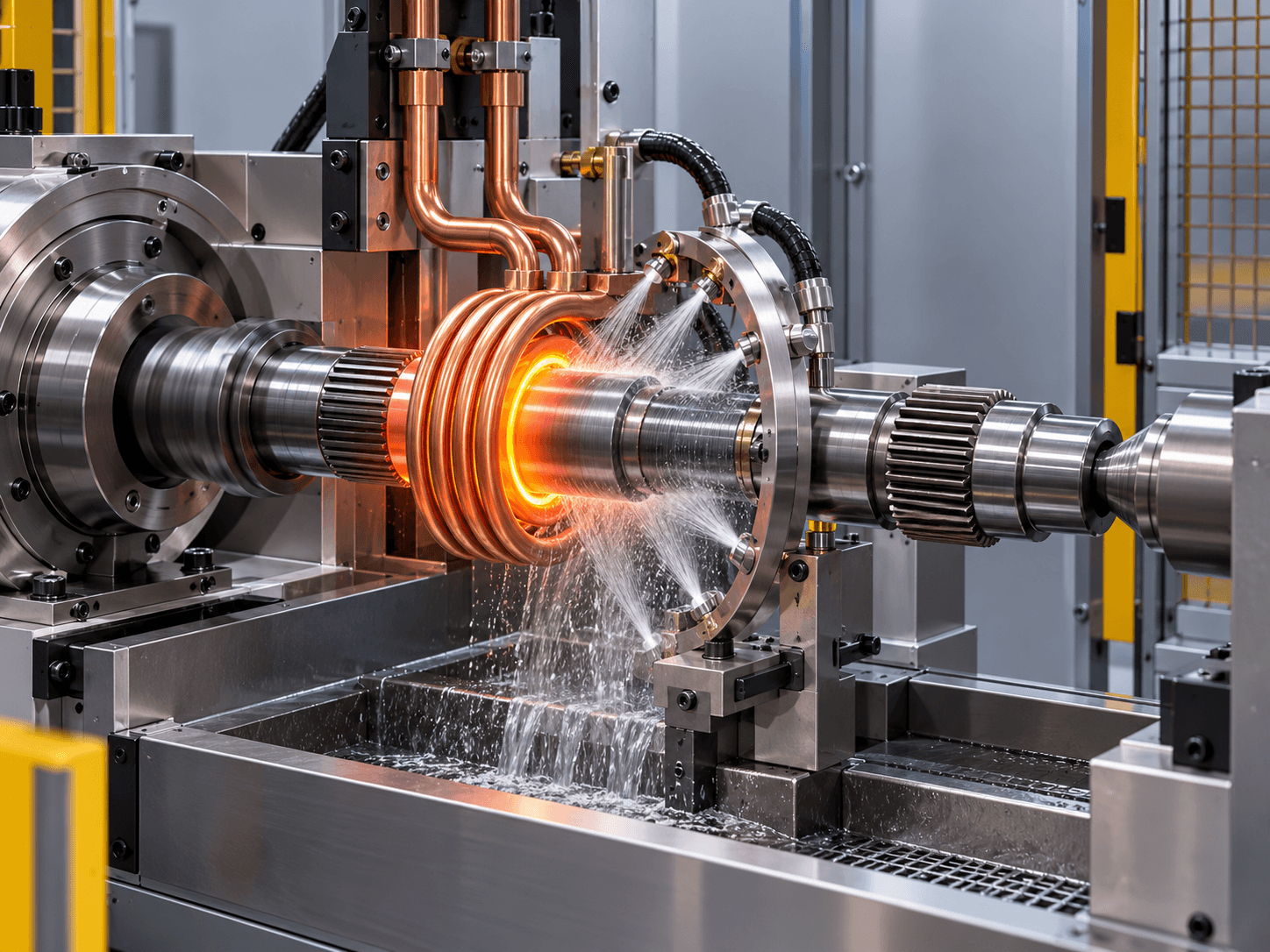
Illustrative induction billet heating line for forging and fastener production
Illustrative application concept

What This Industry Has to Solve

The three problems that decide whether an installation in this industry pays for itself or becomes a maintenance liability.

01

Heating around press stoppages

Press run/stop signals and restart behavior can be included in the controls review. Interlocks, holding logic and recovery sequence depend on the line design and need to be confirmed during engineering.

02

Temperature window and surface condition

Heating time, surface condition and scale formation vary with alloy, temperature, atmosphere and line speed. Trials on representative material can help establish the process window before production claims are made.

03

Frequent part changeovers

Coil change method, tooling, recipe management and setup time should be specified for the part family and expected changeover frequency; timing is confirmed for the final line configuration.

The configurations we most often specify for forging & fasteners operations.

FL-IH-BIL

GTR Billet Induction Heating Furnace

GTR series through-heating line for round and square billets, with pyrometer control, hot and cold reject gates and press synchronisation.

Read More →
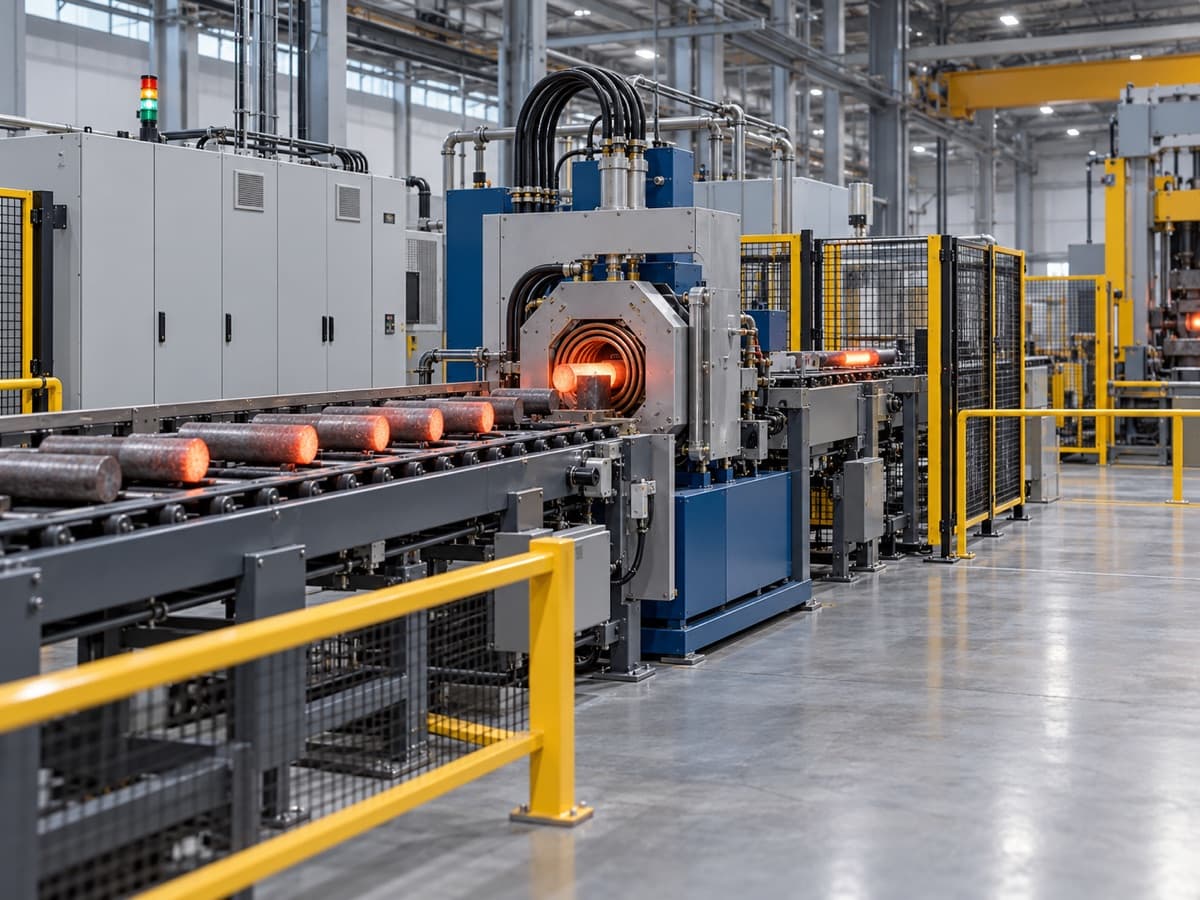
Induction billet heating line with steel bars moving through a guarded coil station

Illustrative product concept; final configuration is confirmed during engineering review.
FL-IH-END

Bar End Heating Machine

Heats only the section to be formed — hand tools, axles, anchor bolts and eye bolts — cutting energy per part sharply versus full-length heating.

Read More →
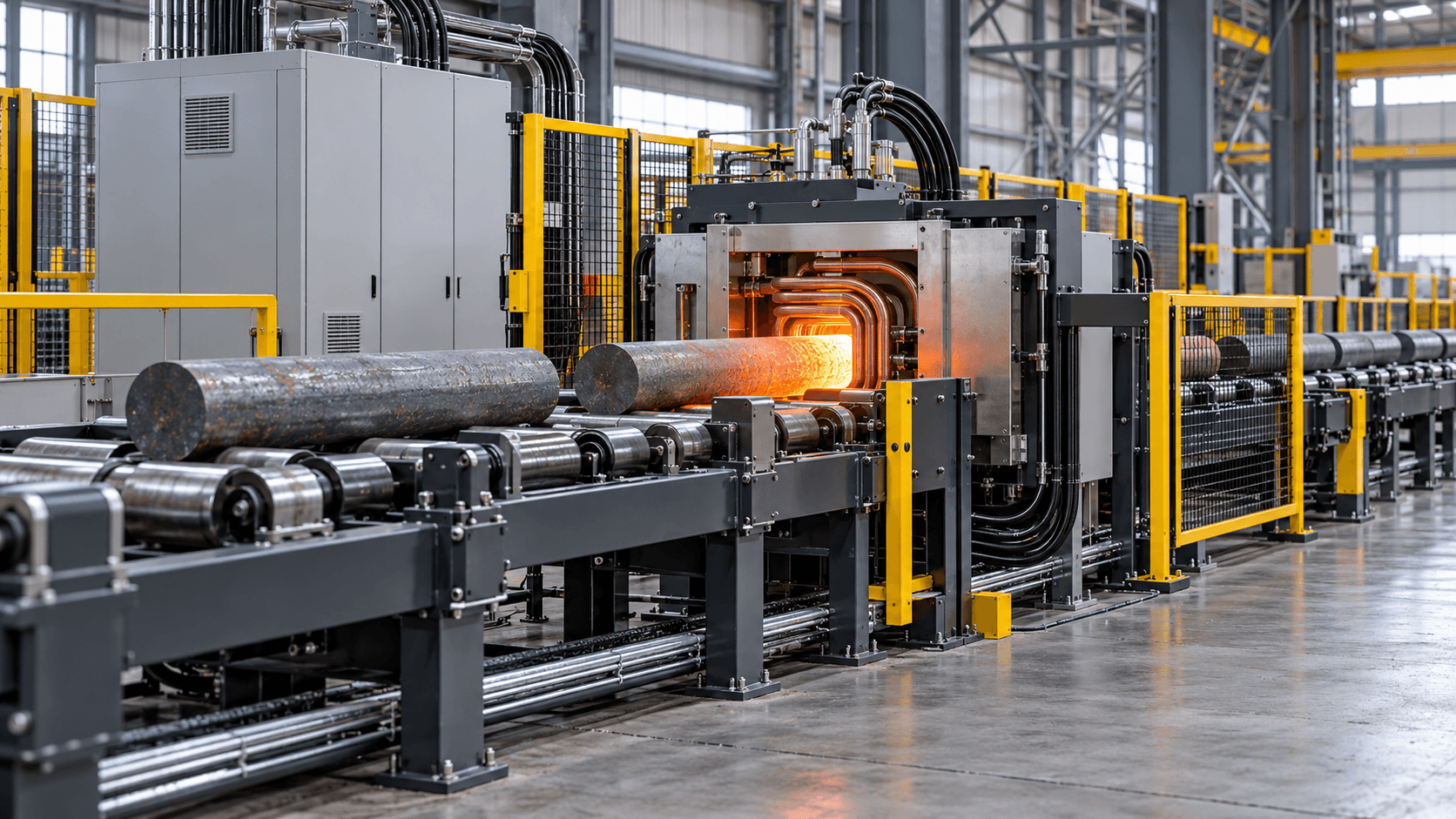
Illustrative product concept of an automated billet induction heating line

Illustrative product concept; final configuration is confirmed during engineering review.
FL-IGBT

IGBT Series Resonance Power Supply

Solid-state IGBT inverter with high power factor across the load range, low harmonics and fine control — for heating lines and modern melting shops.

Read More →
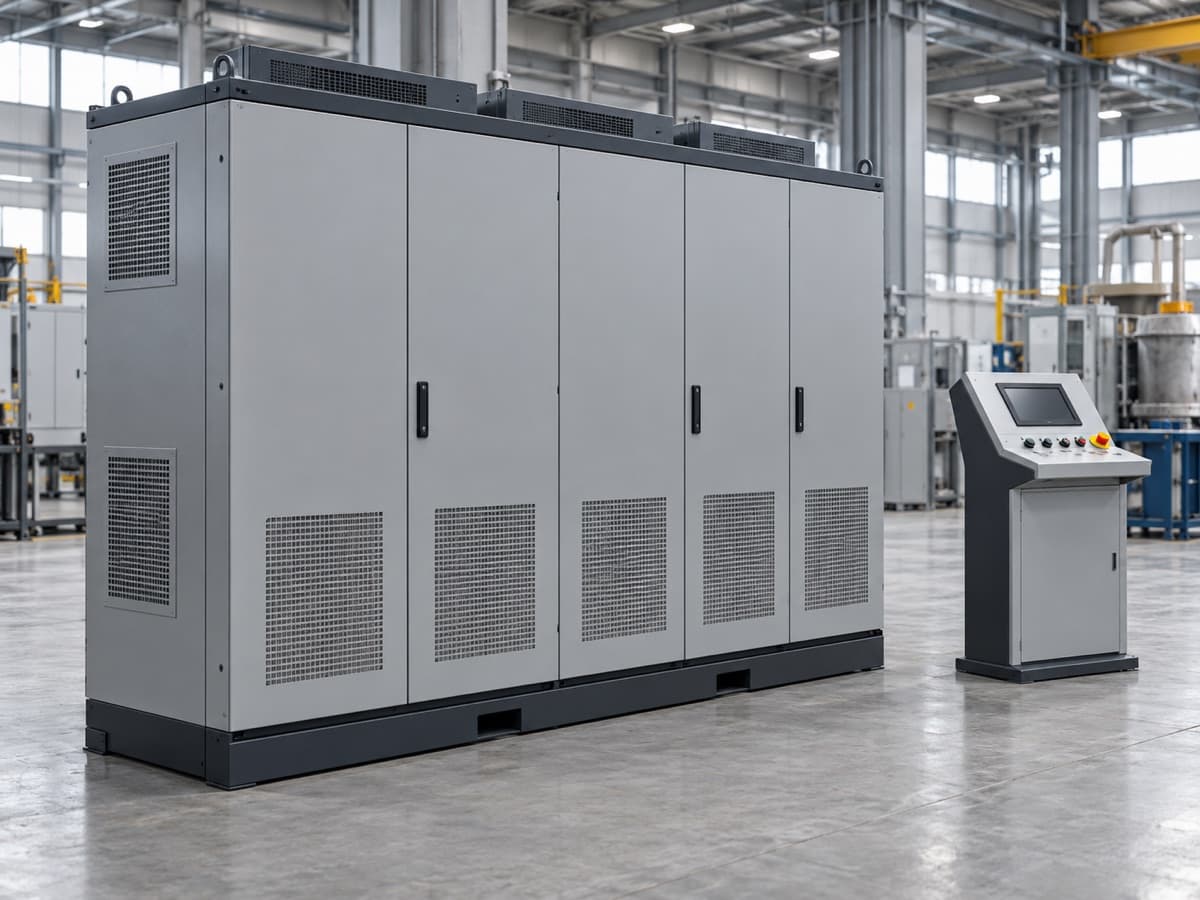
Illustrative product concept of a medium-frequency induction power supply cabinet

Illustrative product concept; final configuration is confirmed during engineering review.
Other Industry Solutions

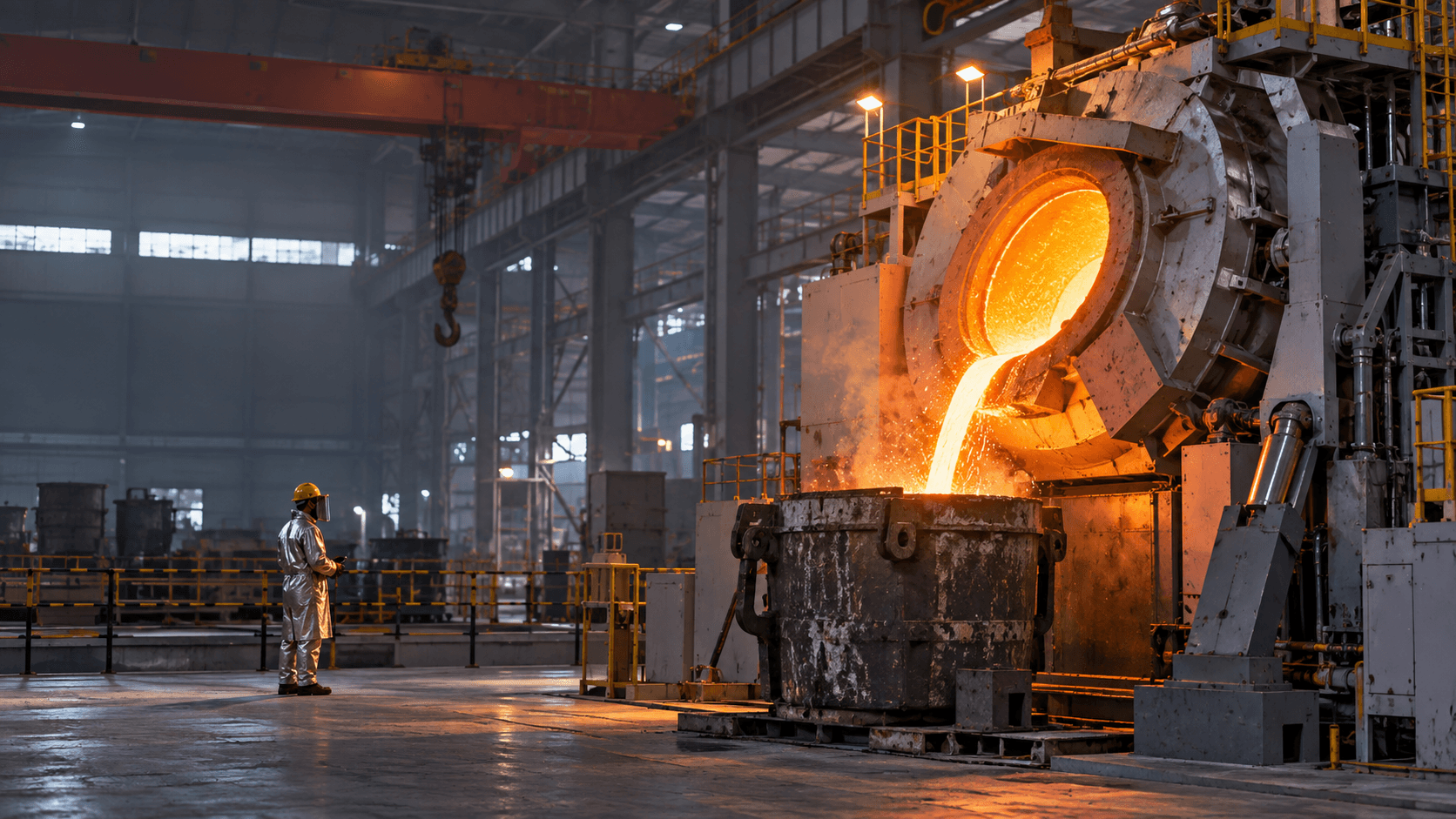
Illustrative molten-metal tapping scene for steel and iron foundry melting
Illustrative application concept

Steel and iron foundry melting

Coreless induction melting configurations for grey iron, ductile iron, carbon steel and alloy steel. Furnace size, power, lining and duty cycle are reviewed against the alloy mix, batch size and production schedule.

Read More
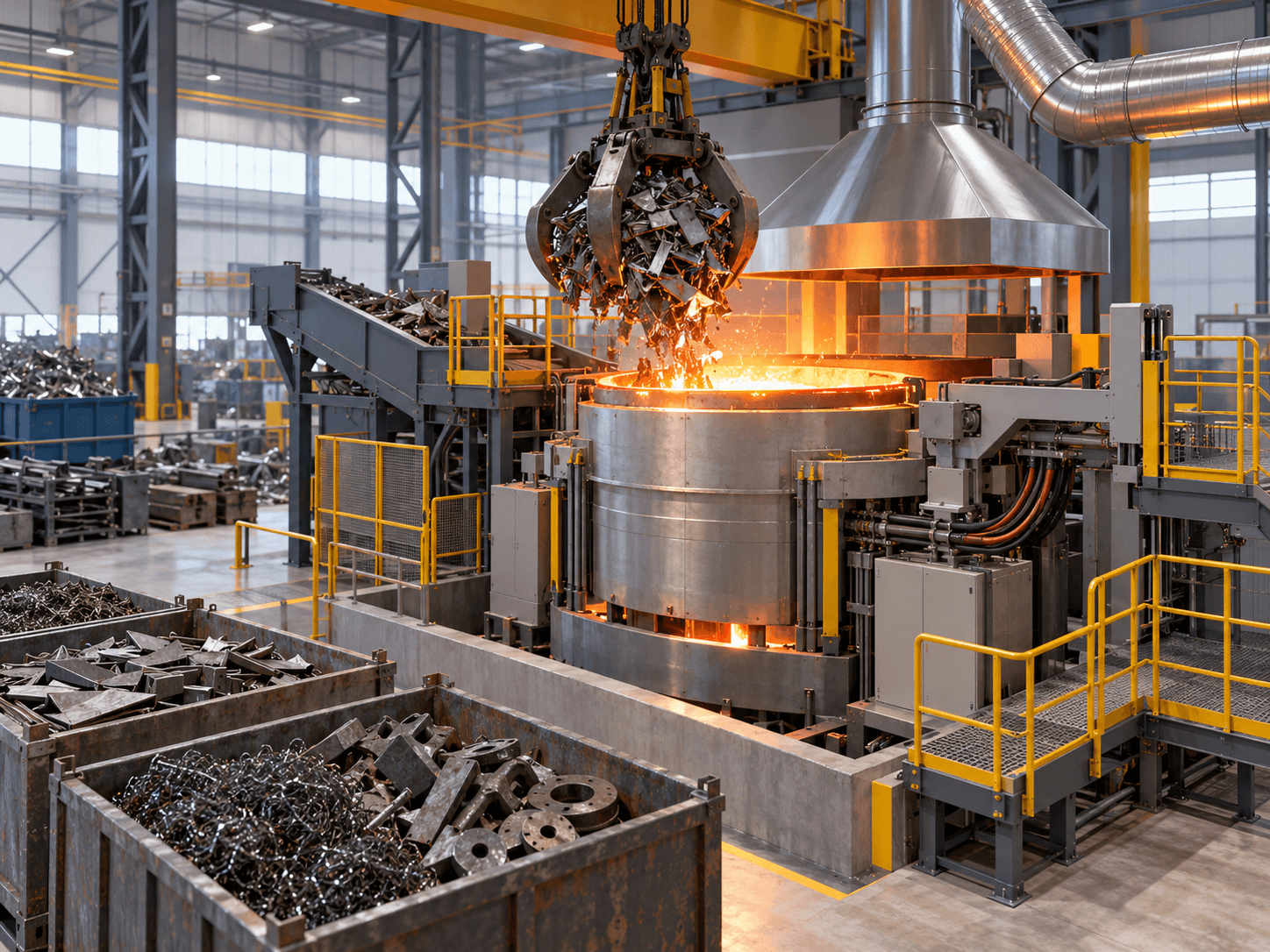
Illustrative induction furnace receiving sorted scrap metal beneath an extraction hood
Illustrative application concept

Scrap recycling and re-melting

Induction melting system concepts for scrap processors producing ingot or billet. Charge handling and extraction requirements are reviewed against feedstock and site conditions.

Read More
Illustrative automotive shaft induction hardening cell with controlled quenching
Illustrative application concept

Automotive casting and hardening

Equipment concepts for automotive casting, billet heating and induction hardening. Traceability, controls, data interfaces and customer-specific quality requirements are defined during technical review.

Read More

Tell us what your process needs.

Share the material or part, target output or treatment result, operating schedule and site utilities. Our engineers can review the equipment configuration and quotation scope against your application.