Skip to content

Industry Application

Induction Melting and Reheating for Mini-Mills and Rolling Plants

Induction melting and billet-reheating concepts for mini-mills and rolling plants. Capacity and line arrangement are reviewed against caster output, mill pace and site conditions.

A mini-mill needs melting capacity matched to the caster and the rolling mill downstream, plus a reheating line that can hold temperature against a variable rolling schedule. Undersize either and the whole plant runs at the pace of the bottleneck.

Melting stations and continuous billet-reheating concepts can be reviewed against caster output, rolling schedule, plant layout, transformer capacity and utility conditions. Rectifier topology and grid-impact studies are project-specific and must be confirmed by engineering and the local utility.

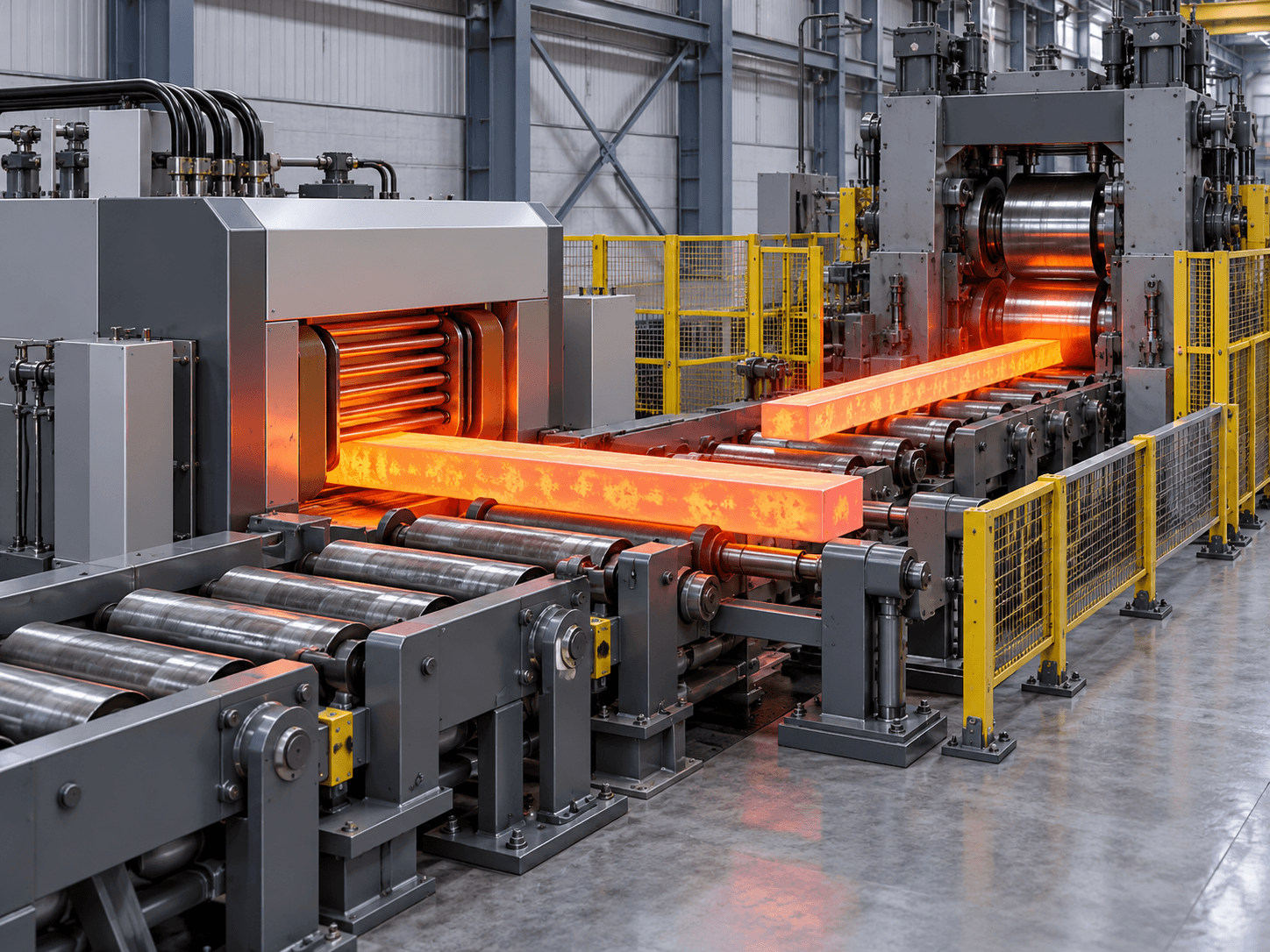
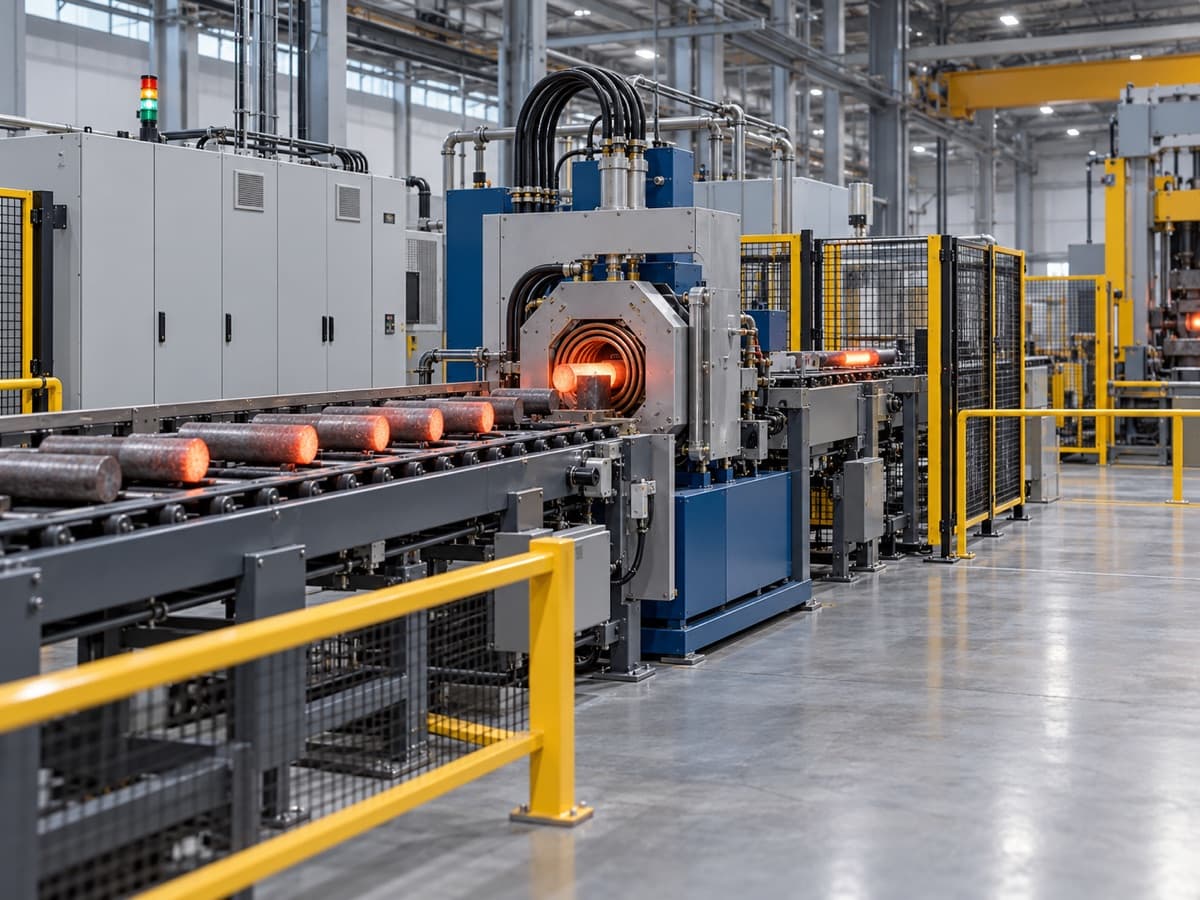
Illustrative induction billet heater feeding a steel rolling line
Illustrative application concept

What This Industry Has to Solve

The three problems that decide whether an installation in this industry pays for itself or becomes a maintenance liability.

01

Grid compliance at high power

Harmonics, power factor and connection limits depend on the selected supply, installation and local utility requirements. A compliance statement requires a site-specific electrical study and confirmation; no standard configuration guarantees it.

02

Matching melt rate to the caster

Capacity, power and the number of furnace bodies are sized against your caster and mill throughput so metal arrives at the right rate rather than in surges.

03

Reheat against a variable rolling schedule

Mill-speed signals, zone control, billet tracking and pause behavior should be detailed in the line-interface review. The achievable temperature profile depends on billet and operating conditions.

The configurations we most often specify for steel mills & rolling operations.

FL-GW-SS

Steel Shell Induction Melting Furnace

Fully welded steel-shell furnace with magnetic yoke and hydraulic 95° tilting, from 0.5 to 5 tons per body — the standard choice for continuous foundry melting.

Read More →
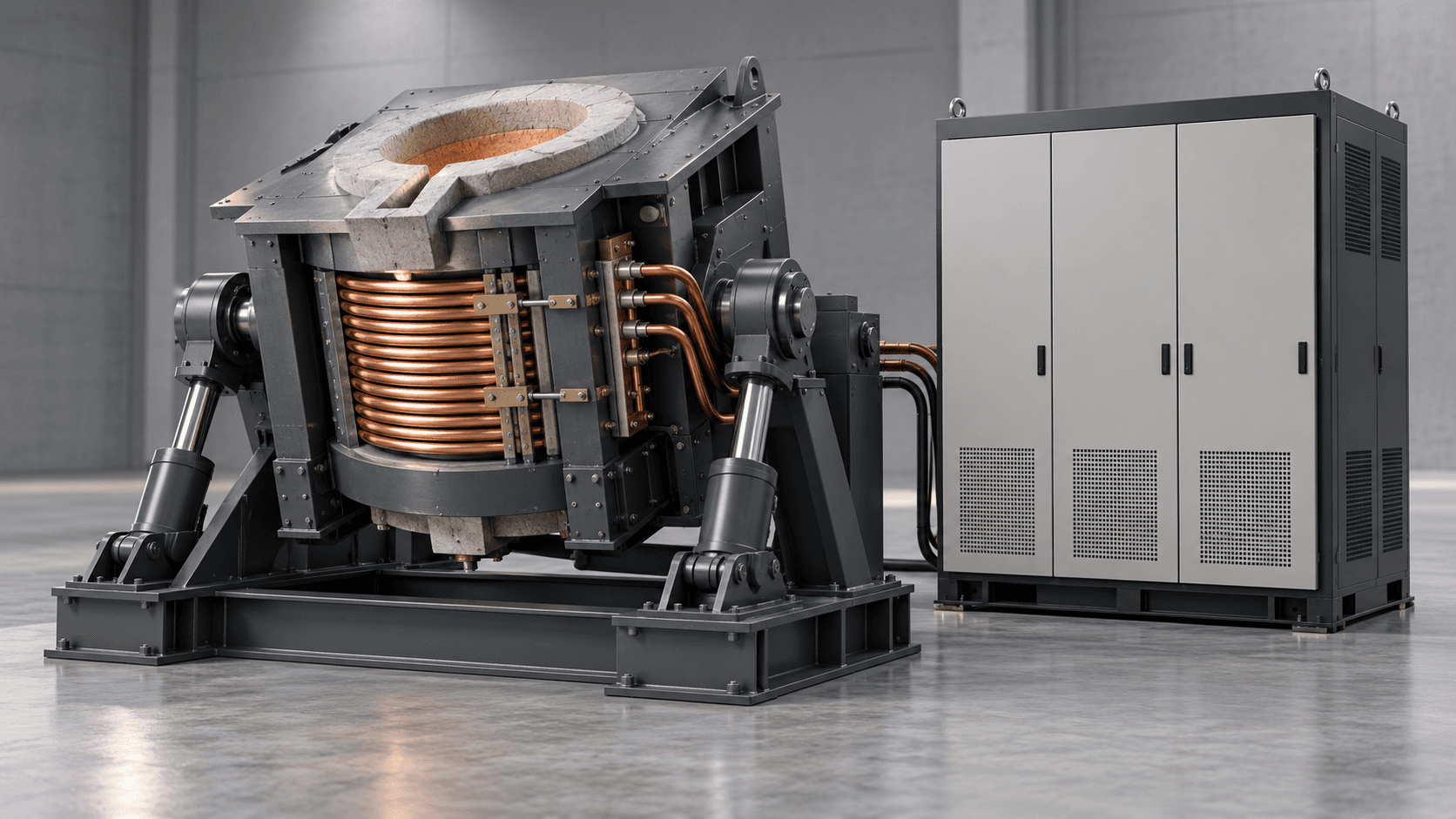
Studio product visualization of a steel-shell induction melting furnace and power cabinet

Illustrative product concept; final configuration is confirmed during engineering review.
FL-KGPS

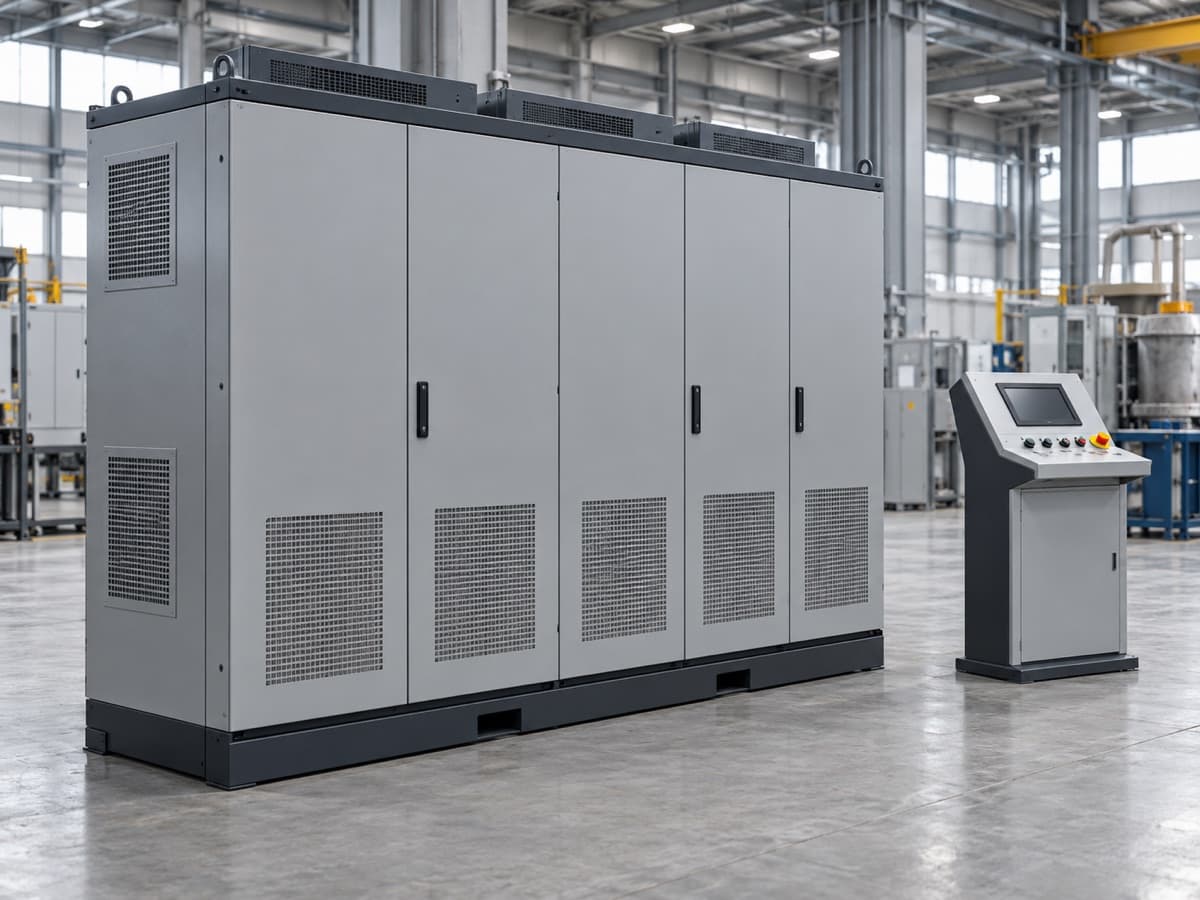
KGPS Thyristor Power Supply

Rugged SCR parallel-resonance inverter, 100–2,500 kW, built for continuous foundry melting and tolerant of weak or noisy grids. Larger ratings built to order.

Read More →
Illustrative product concept of a medium-frequency induction power supply cabinet

Illustrative product concept; final configuration is confirmed during engineering review.
FL-IH-PIP

Pipe & Plate Heating Line

In-line heating for pipe coating, bending, normalising and plate hot-forming, with continuous throughput and zone temperature control.

Read More →
Illustrative product concept of an automated billet induction heating line

Illustrative product concept; final configuration is confirmed during engineering review.
Other Industry Solutions

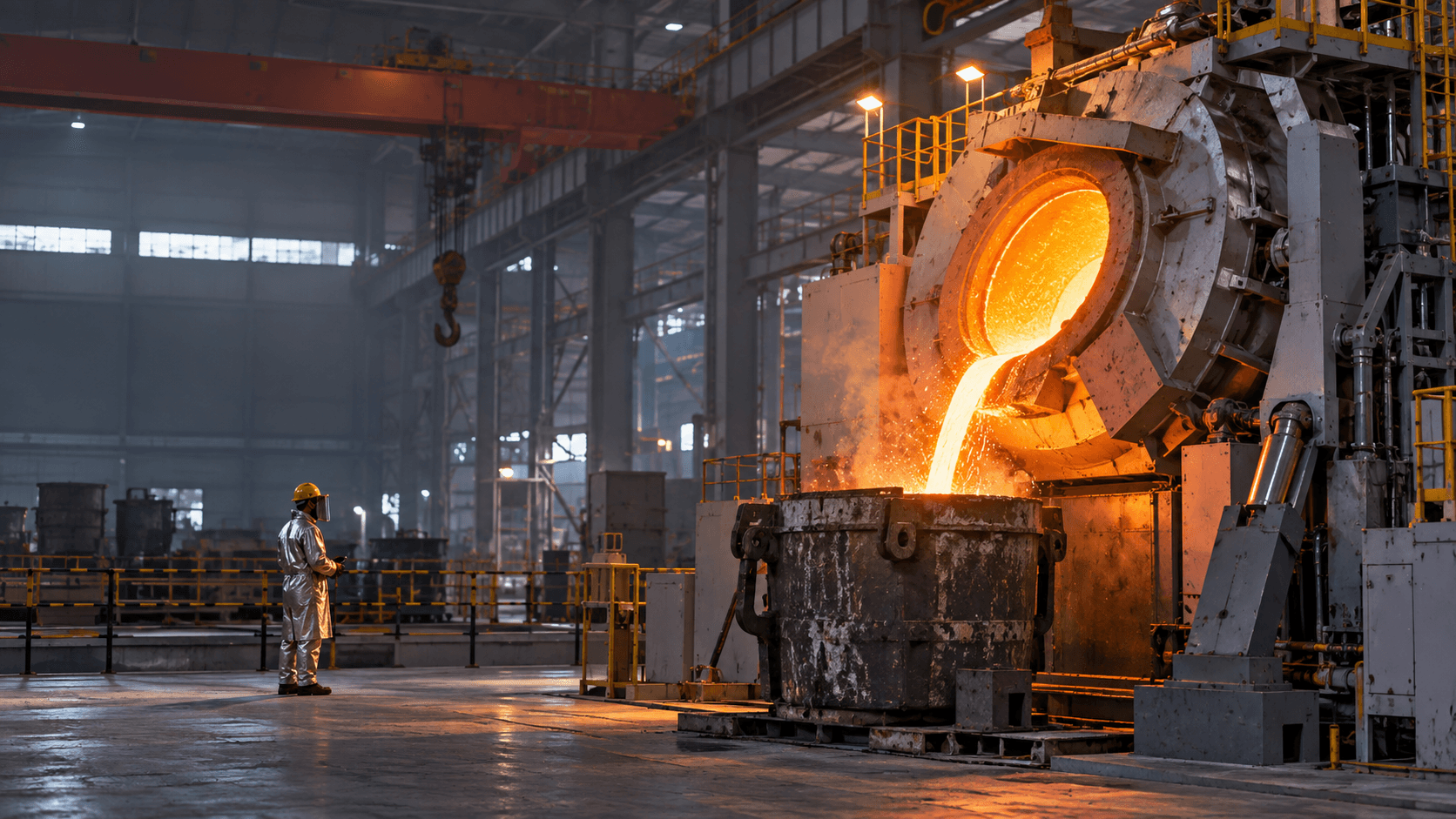
Illustrative molten-metal tapping scene for steel and iron foundry melting
Illustrative application concept

Steel and iron foundry melting

Coreless induction melting configurations for grey iron, ductile iron, carbon steel and alloy steel. Furnace size, power, lining and duty cycle are reviewed against the alloy mix, batch size and production schedule.

Read More
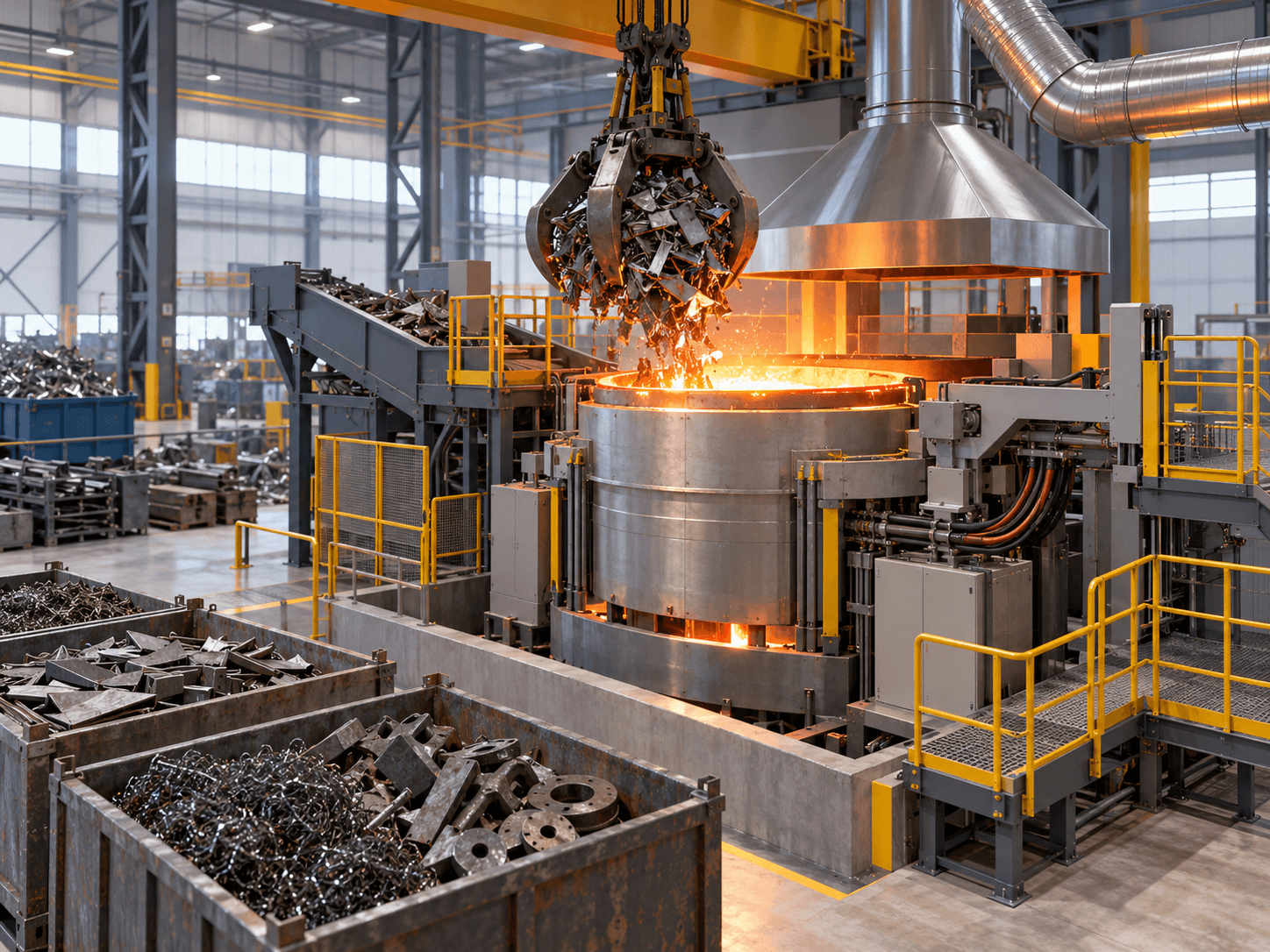
Illustrative induction furnace receiving sorted scrap metal beneath an extraction hood
Illustrative application concept

Scrap recycling and re-melting

Induction melting system concepts for scrap processors producing ingot or billet. Charge handling and extraction requirements are reviewed against feedstock and site conditions.

Read More
Illustrative induction billet heating line for forging and fastener production
Illustrative application concept

Forging and fastener heating

Through-heating and end-heating concepts for billet, bar and fastener production. Line layout, temperature monitoring, press interface and part changeover are scoped to the workpiece and process requirements.

Read More

Tell us what your process needs.

Share the material or part, target output or treatment result, operating schedule and site utilities. Our engineers can review the equipment configuration and quotation scope against your application.