Skip to content

Industry Application

Induction Hardening, Tempering and Annealing Equipment

Induction hardening and related heat-treatment equipment for shafts, gears, bars and tubes. Process scope, controls, data recording and target case properties are defined for each part and application.

Induction heating is used for localized processes including surface hardening, tempering and other heat-treatment steps. Cycle time and process results depend on material, part geometry, target properties, coil design and handling method.

Case depth, hardness and transition profile are developed through engineering trials and metallurgical validation on representative parts. Recipe control and repeatability requirements should be specified for the production environment.

Illustrative induction surface-hardening system for industrial components
Illustrative application concept

What This Industry Has to Solve

The three problems that decide whether an installation in this industry pays for itself or becomes a maintenance liability.

01

Distortion on long slender parts

Part fixturing, scan strategy, heating profile and quench method influence distortion. Compare representative samples against agreed dimensional and metallurgical acceptance criteria.

02

Proving the process to a customer

Trial records, data fields and acceptance evidence can be defined with the customer. A commissioning trial does not replace any customer-specific process approval or certification requirement.

03

Mixed part families on one machine

Part range, coil change method, recipe controls and required setup time should be assessed together to determine whether one system suits the planned mix.

The configurations we most often specify for heat treatment operations.

FL-IH-HRD

Induction Hardening Machine

CNC induction hardening configurations for shafts, gears, rails and other steel parts, engineered around part geometry, alloy, target case depth and line requirements.

Read More →
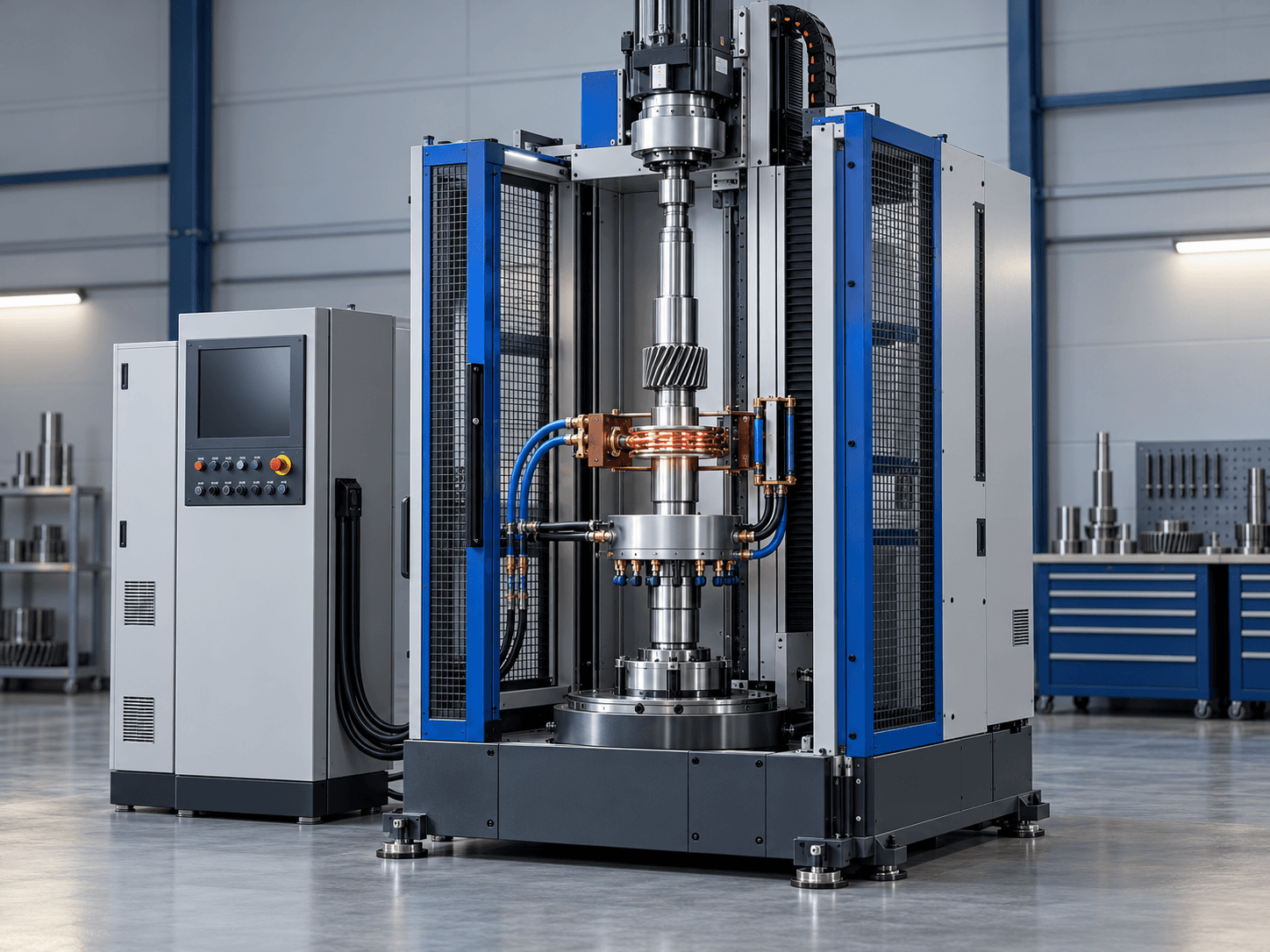
Illustrative product concept of a CNC induction hardening cell with a shaft, gear, induction coil and quench station

Illustrative product concept; final configuration is confirmed during engineering review.
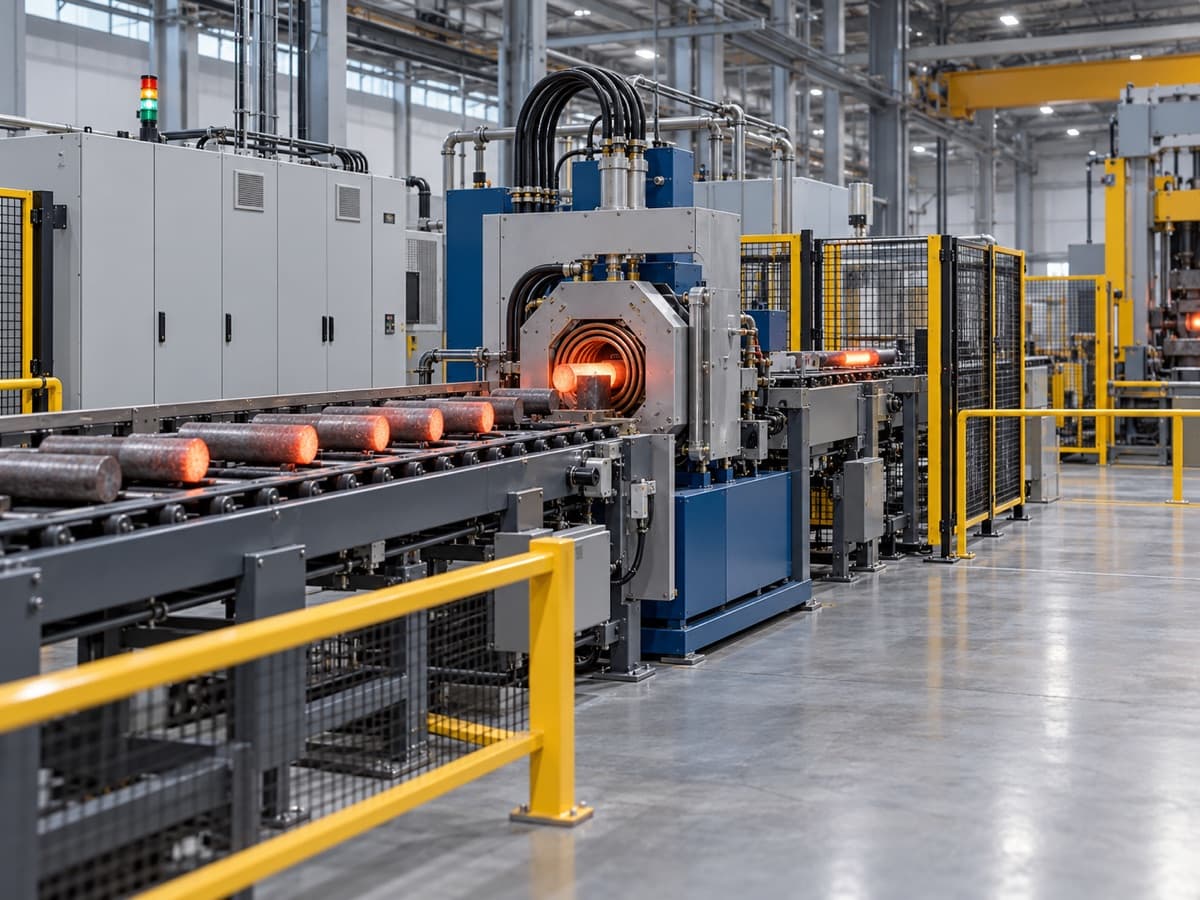
FL-IH-PIP

Pipe & Plate Heating Line

In-line heating for pipe coating, bending, normalising and plate hot-forming, with continuous throughput and zone temperature control.

Read More →
Illustrative product concept of an automated billet induction heating line

Illustrative product concept; final configuration is confirmed during engineering review.
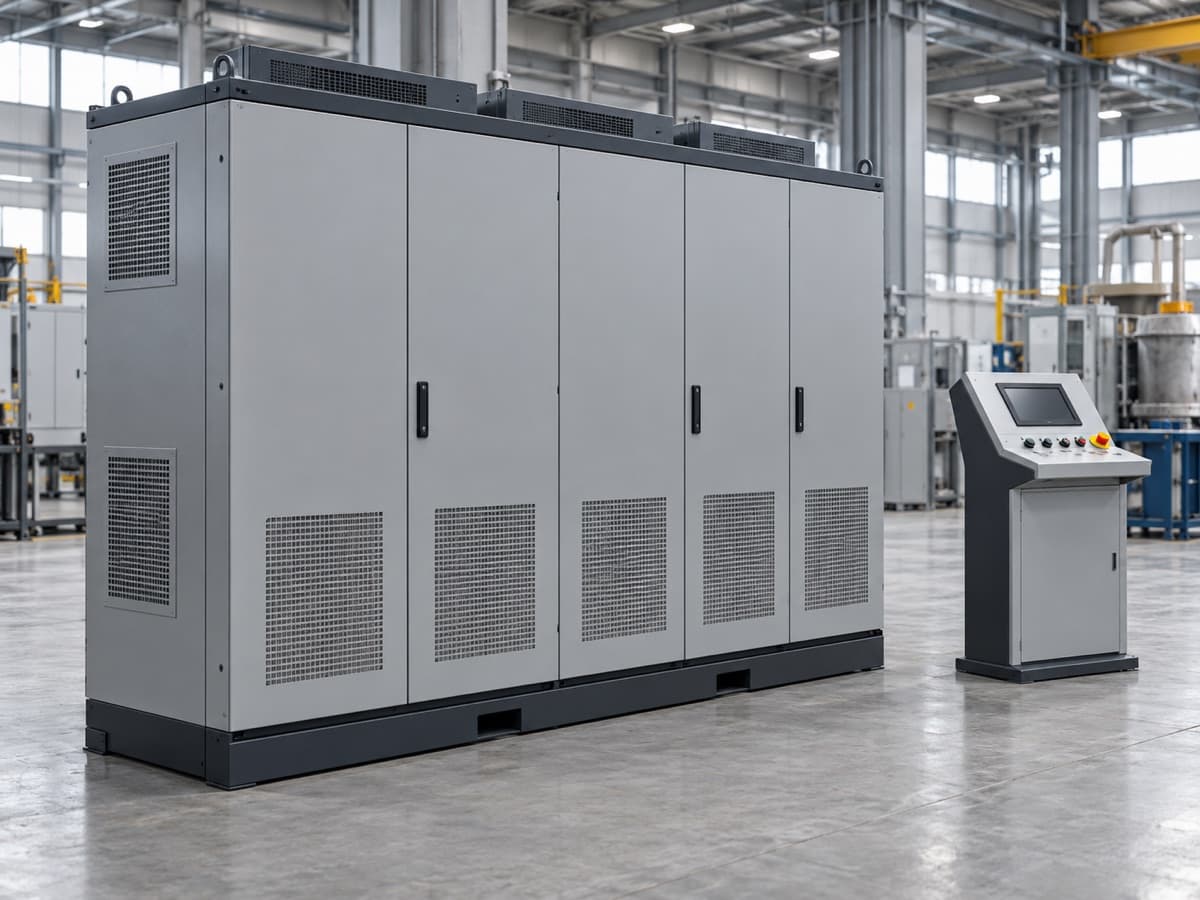
FL-IGBT

IGBT Series Resonance Power Supply

Solid-state IGBT inverter with high power factor across the load range, low harmonics and fine control — for heating lines and modern melting shops.

Read More →
Illustrative product concept of a medium-frequency induction power supply cabinet

Illustrative product concept; final configuration is confirmed during engineering review.
Other Industry Solutions

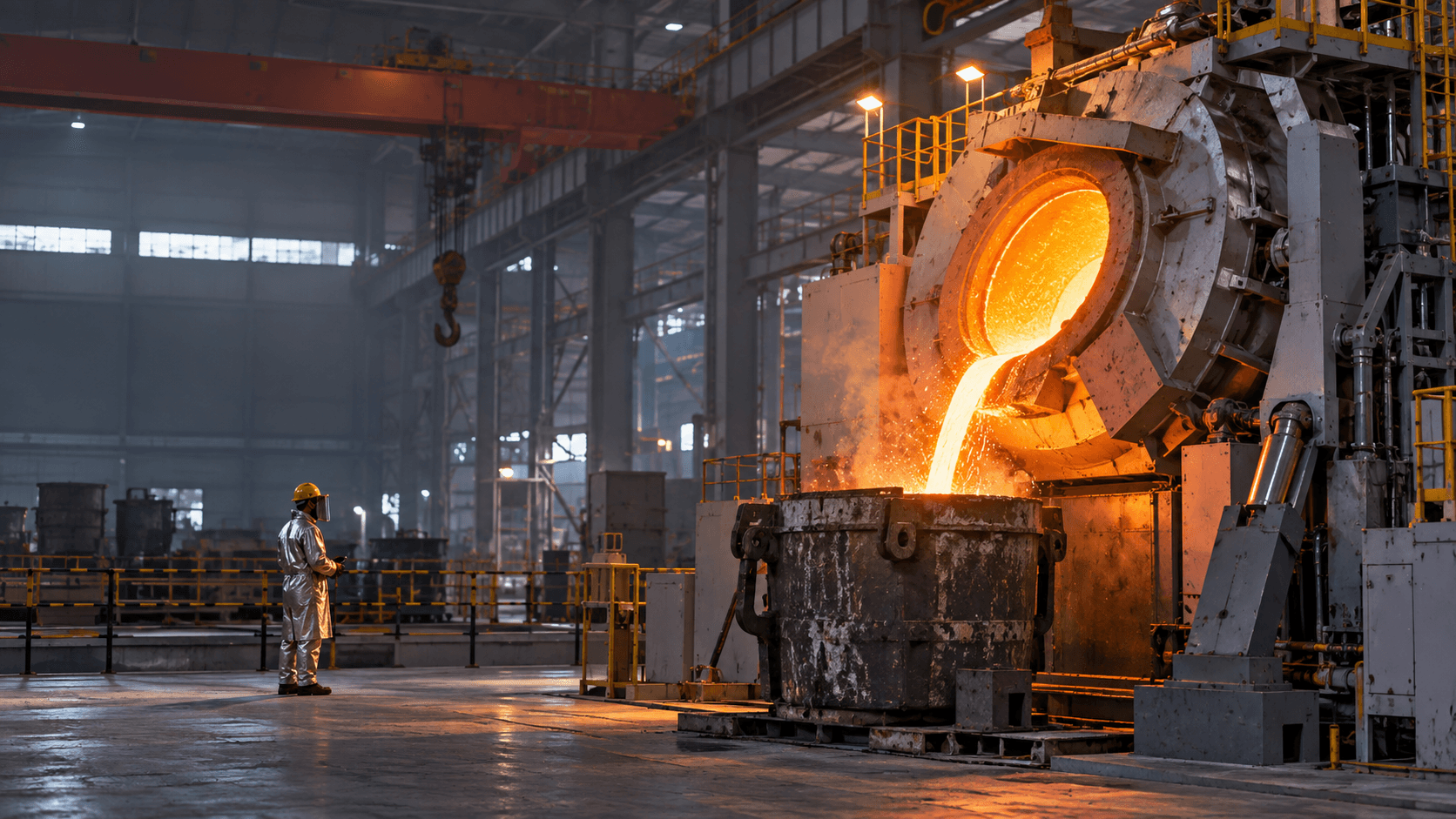
Illustrative molten-metal tapping scene for steel and iron foundry melting
Illustrative application concept

Steel and iron foundry melting

Coreless induction melting configurations for grey iron, ductile iron, carbon steel and alloy steel. Furnace size, power, lining and duty cycle are reviewed against the alloy mix, batch size and production schedule.

Read More
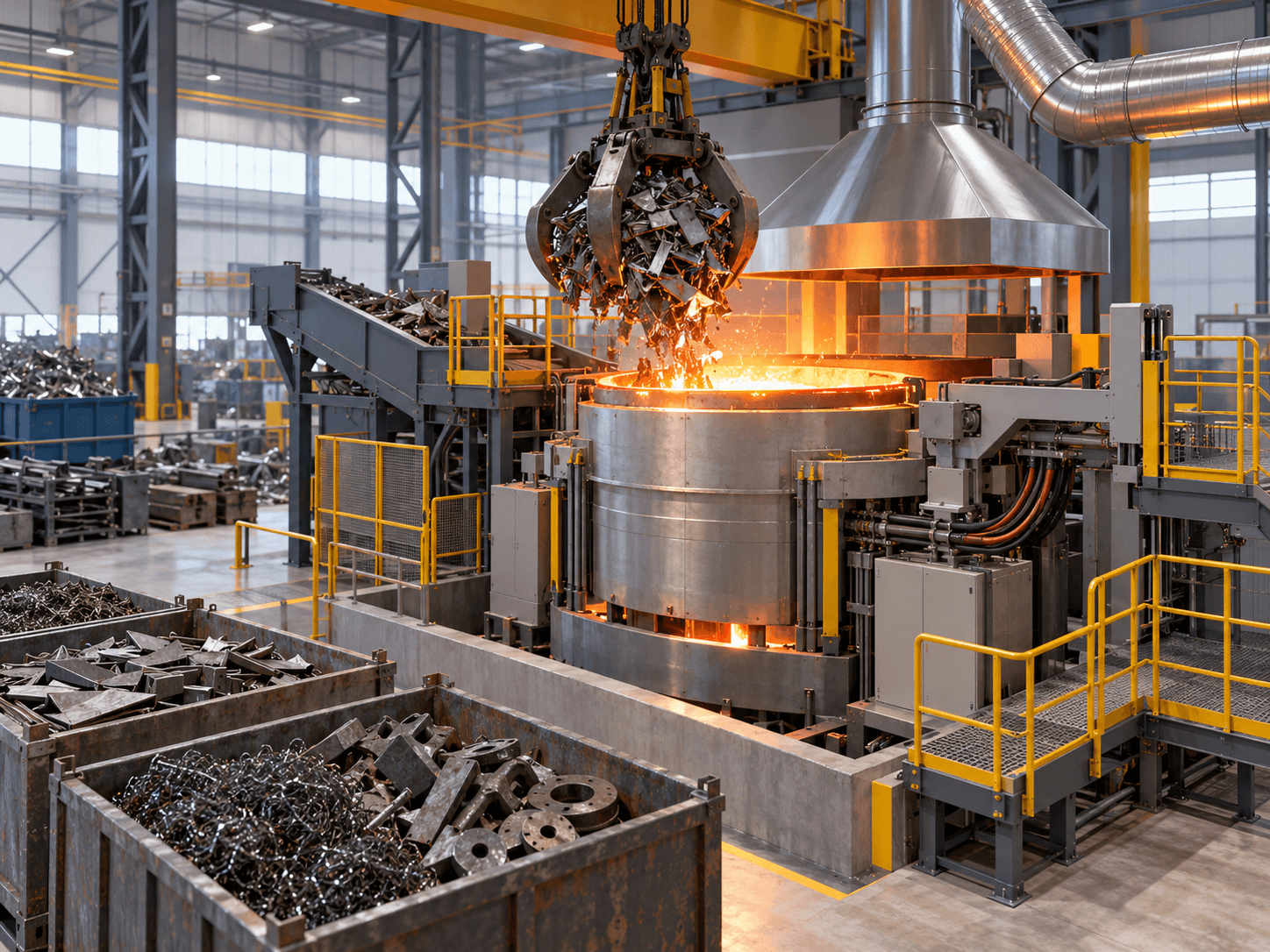
Illustrative induction furnace receiving sorted scrap metal beneath an extraction hood
Illustrative application concept

Scrap recycling and re-melting

Induction melting system concepts for scrap processors producing ingot or billet. Charge handling and extraction requirements are reviewed against feedstock and site conditions.

Read More
Illustrative induction billet heating line for forging and fastener production
Illustrative application concept

Forging and fastener heating

Through-heating and end-heating concepts for billet, bar and fastener production. Line layout, temperature monitoring, press interface and part changeover are scoped to the workpiece and process requirements.

Read More

Tell us what your process needs.

Share the material or part, target output or treatment result, operating schedule and site utilities. Our engineers can review the equipment configuration and quotation scope against your application.